proomt

Search

Search posts, papers, and topics

ai agents

RSS
  1. 2

    MintAct: A Unified Visual Agent for Digital Environments

    MintAct is a family of vision-language models (2B-8B) that unifies UI grounding, multi-step navigation, and visual tool use across mobile, desktop, and web environments. It achieves state-of-the-art performance by leveraging a scalable environment and an asynchronous reinforcement learning infrastructure.

    Hugging Face Daily Papersarxiv.org1 minpaper
  2. 4

    ScienceBuddy: Recursive-in-Recursive Self-Improvement for Interactive Scientific Agents

    ScienceBuddy is an interactive workspace that converts researcher prompts, feedback, and execution traces into continual‑learning tasks for AI agents. It introduces a "recursive‑in‑recursive" self‑improvement loop that alternates harness refinement and model training, and showcases case studies across four scientific task families.

    Hugging Face Daily Papersarxiv.org1 minpaperHN2
  3. 6

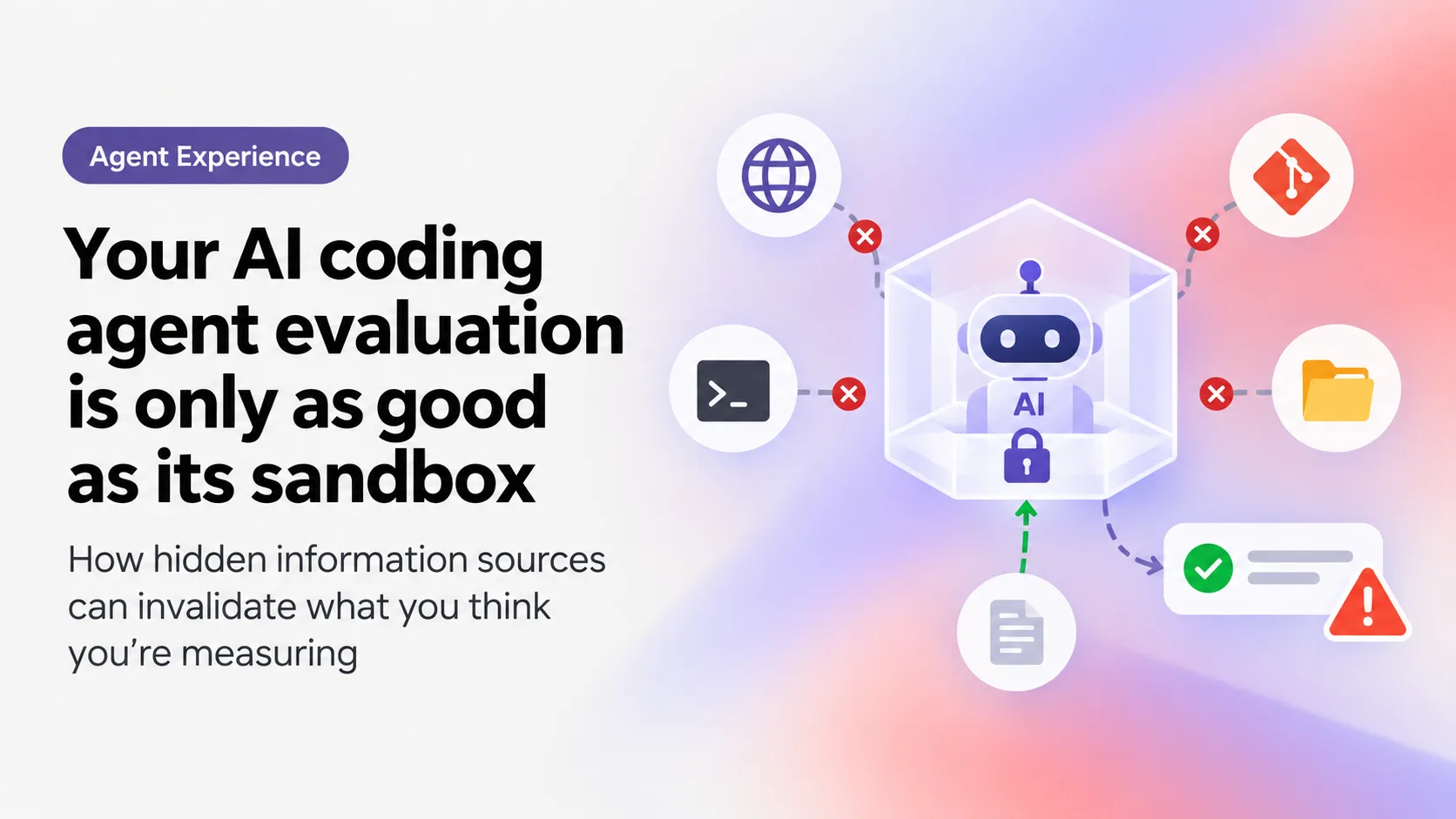
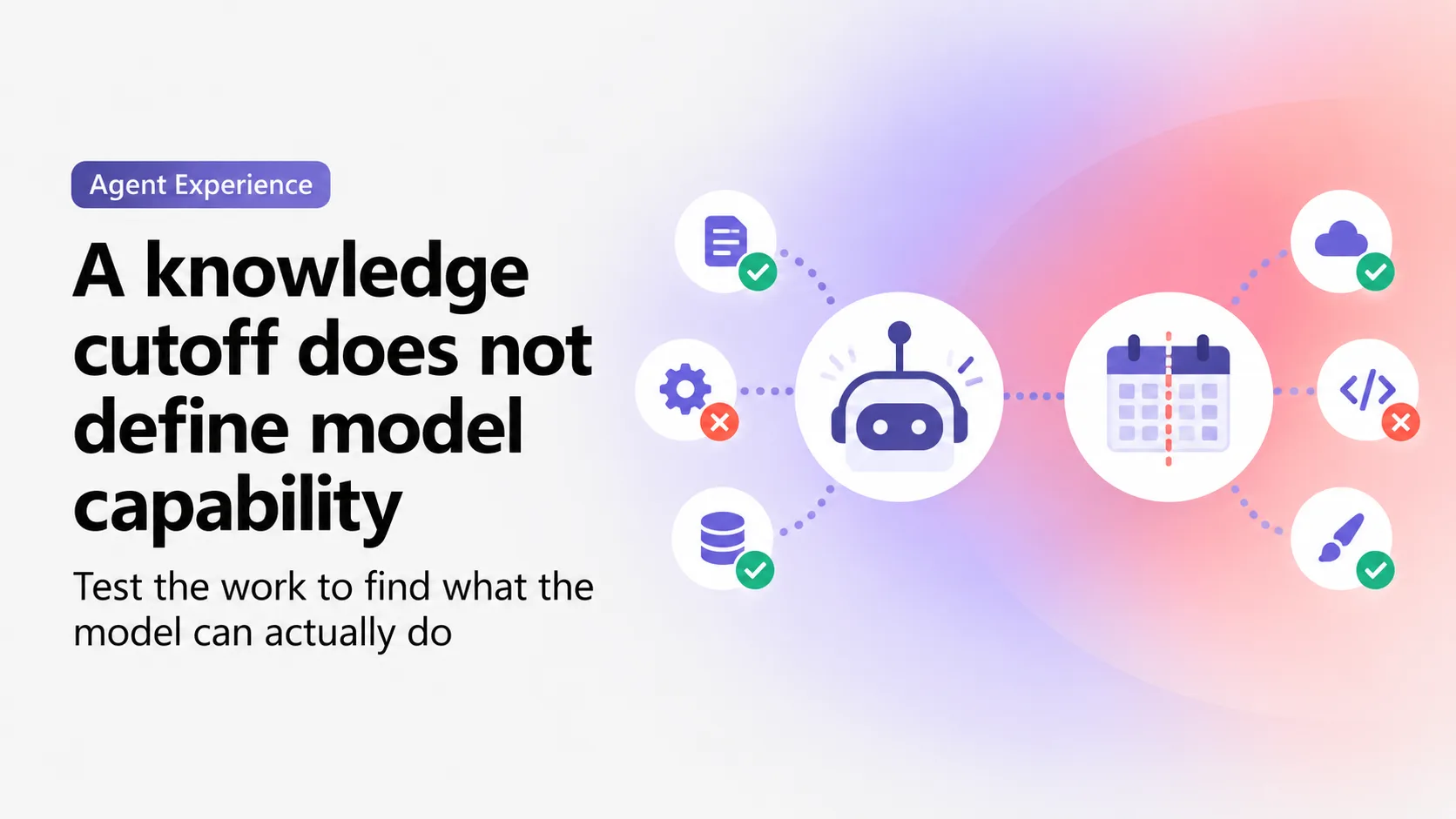
    Your AI coding agent evaluation is only as good as its sandbox

    Evaluating AI coding agents requires a robust sandbox to prevent agents from retrieving answers from the environment, which can invalidate tests of internal knowledge. A correct answer doesn't guarantee a valid measurement if the agent accessed information it shouldn't have, highlighting the need to define sandboxes by information boundaries rather than just tool restrictions. Always review agent…

    Microsoft for Developersmicrosoft.com5 min
  4. 7

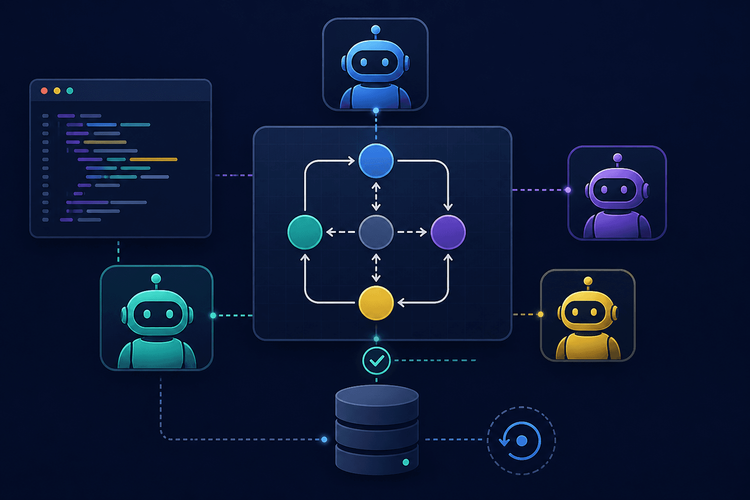
    Building Deterministic Multi-Agent State Machines in TypeScript

    The article shows how to build a deterministic, checkpoint‑backed finite state machine engine in TypeScript for orchestrating multi‑agent AI workflows. It uses Zod for schema validation, better‑sqlite3 for atomic persistence, and a pure transition function to make workflows traceable and recoverable in serverless environments.

    SitePointsitepoint.com18 min
  5. 8

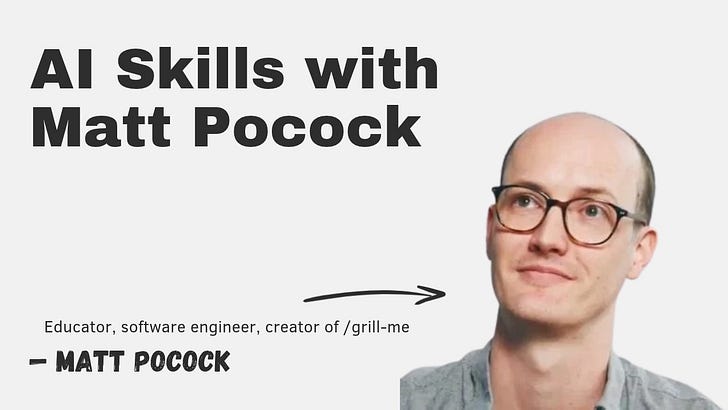
    AI Skills with Matt Pocock

    Matt Pocock explains how he uses AI agents for software development, emphasizing "strategic programming" and guiding agents with "leading words" from classic engineering texts. He argues that this approach makes engineering fundamentals more critical than ever for creating agent-optimized codebases.

    The Pragmatic Engineerpragmaticengineer.com7 min
  6. 9

    APort Vault: Benchmarking AI Agent Payment Authorization with the Open Agent Passport

    APort Vault is a benchmark that replays 4,371 human‑written attacks against a live payment‑handling AI agent across 14 models and multiple policy configurations, generating 225,964 evaluations. Adding the Open Agent Passport pre‑action check eliminated all unauthorized transfers in the test, showing a per‑session breach upper bound of 0.38%.

    Hugging Face Daily Papersarxiv.org2 minpaper
  7. 10

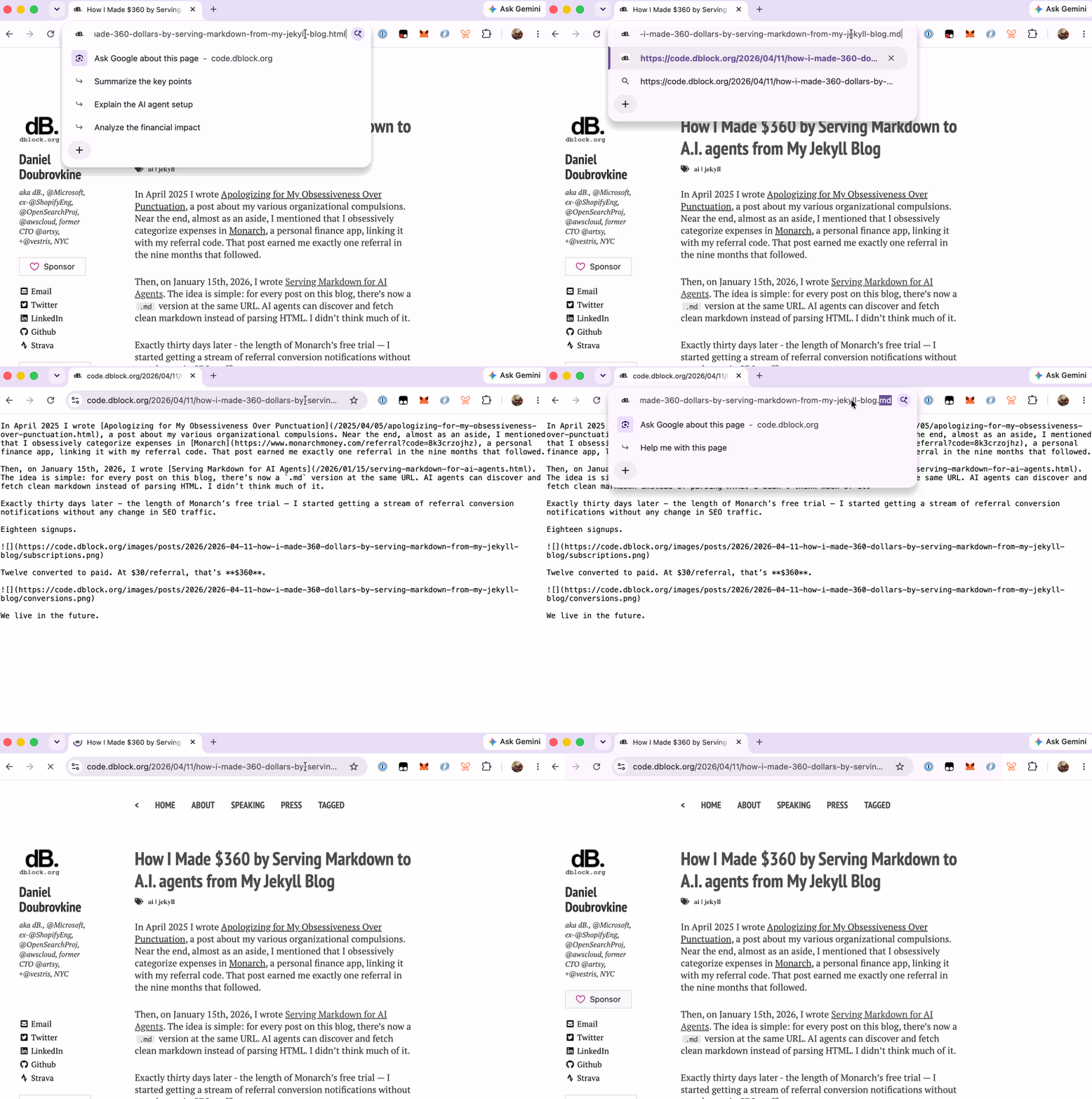
    Serving Markdown for AI Agents, Now as a Jekyll Plugin

    The author turned a one‑off script that rendered each Jekyll page to Markdown and added a `<link rel="alternate" type="text/markdown">` tag into a reusable Jekyll plugin (jekyll‑md). The gem hooks into the build, extracts the main content (defaulting to `<main>` or `[role="main"]`), converts it to Markdown, injects the discovery link, and requires no per‑page front‑matter. Configuration is option…

    Daniel Doubrovkine (dB.)dblock.org2 min
  8. 12

    Introducing Filestore agent volumes: fully managed storage for agent workspaces

    Google Cloud adds Filestore agent volumes, a fully‑managed, elastic file‑system that automatically provisions isolated POSIX workspaces for GKE‑based AI agent sandboxes. Volumes attach in milliseconds, support RWX with file‑level locking, and charge only for used capacity with automatic tiering, aiming to cut cold‑start latency and storage waste for large‑scale agent fleets.

    Google Cloud Bloggoogle.com4 min
  9. 13

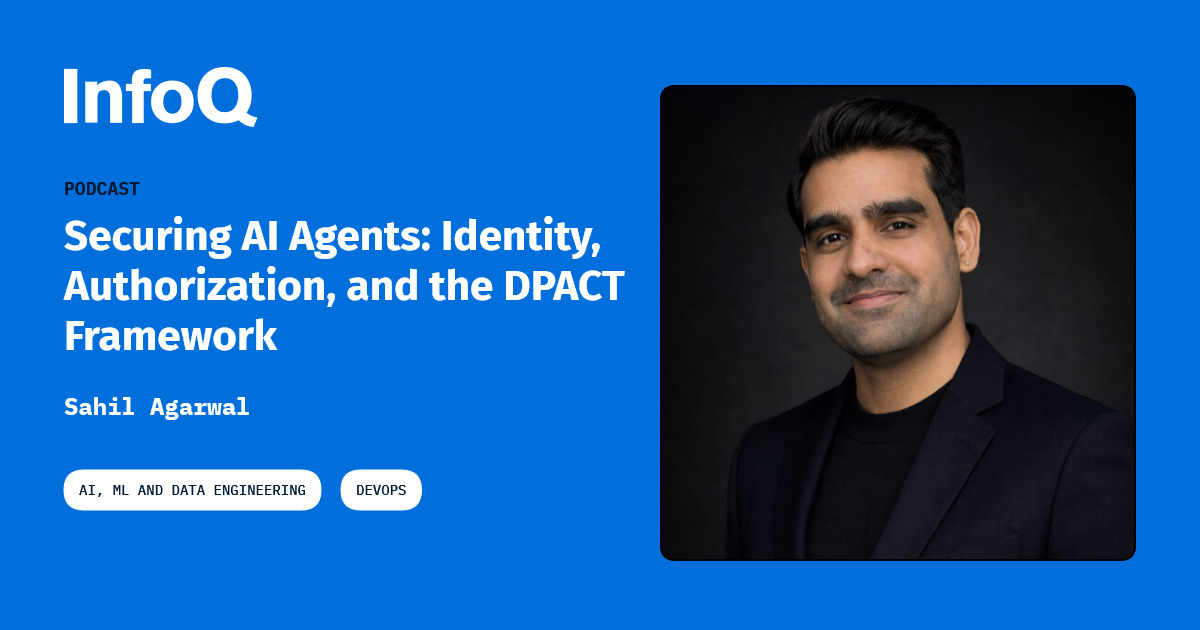
    Podcast: Securing AI Agents: Identity, Authorization, and the DPACT Framework

    This podcast discusses the critical challenges of identity, authorization, and security for AI agents. It introduces the DPACT framework (Delegation, Policy, Auditability, Context, Time) as a blueprint for building responsible agentic systems with bounded, delegated authority, moving beyond simple token-based access.

    InfoQinfoq.com29 mintalk
  10. 14

    Agent Substrate brings high-density, scalable, trusted infrastructure to GKE

    Agent Substrate is an open‑source runtime for AI agents that runs on GKE. It uses Cloud Hypervisor microVMs or gVisor sandboxes to give kernel‑level isolation, a custom control‑ and data‑plane that can suspend/resume agents in <500 ms, and a “zero‑idle” model that packs >1 000 dormant agents per host (≈10× density vs. containers). GKE integration adds custom ComputeClasses, spot/on‑demand pools,…

    Google Cloud Bloggoogle.com6 min
  11. 15

    How Orange uses agents to make FinOps everyone's responsibility

    Orange created a FinOps Community of Practice and runs ‘Clean Days’—protected, gamified sessions that get engineers actively optimizing cloud spend. They then scale this culture with AI agents that surface cost data, suggest quick‑win fixes, and automate reporting, extending responsibility across thousands of engineers.

    Google Cloud Bloggoogle.com4 min
  12. 16

    Database for AI Agents: 5 Evaluation Criteria

    Databricks outlines five criteria for a production‑ready database for AI agents—branch‑per‑agent isolation, serverless scale‑to‑zero, hybrid search, ACID guarantees, and a unified platform that eliminates ETL lag—illustrating each with features of its Lakebase offering and brief customer anecdotes.

    Databricksdatabricks.com10 min
  13. 17

    Move and Scale Faster with FGA Permissions Index

    Auth0’s early‑access FGA Permissions Index pre‑computes all implied user/agent permissions on write, streams the flat index into the customer’s own database, and lets applications enforce permissions with a simple SQL join instead of runtime graph traversals. The feature targets enterprise B2B SaaS workloads with high‑cardinality relations and AI‑driven agents, promising constant‑time lookups and…

    Auth0auth0.com5 min
  14. 18

    How to operate shared platforms safely at agent scale

    Datadog explains how scaling AI agents turns isolated executions into shared‑platform risk and outlines a systematic approach to model agent trajectories, monitor per‑dependency constraints, and enforce workload‑specific capacity policies. The result is proactive detection of bottlenecks and protection against noisy‑neighbor failures.

    Datadogdatadoghq.com11 min