New
MariaDB 13 Expands Oracle Compatibility and Improves Developer Experience and Observability
MariaDB 13 GA adds Oracle‑compatible REF CURSOR and RECORD types, a RETURNING clause for UPDATE, and richer optimizer hint handling. It also exposes replication role and index options via system tables for better observability.
InfoQinfoq.com2 minrelease- 1 points
Saving another 100TB of RAM with math (and Rust)
Cloudflare reduced the memory footprint of its Pingora Backend Router by re‑examining the consistent‑hashing implementation in the pingora‑ketama library. By increasing the number of virtual hash points per server from the default 1 to the standard 160 (and applying weighted hashing based on disk capacity), they cut the per‑node overhead enough to reclaim >100 TB of RAM across the fleet. The post…
WebMCP support now available in mcp-handler
Vercel's mcp-handler 2.2.0 adds experimental WebMCP support, letting you expose registered MCP tools to in‑browser agents via a single script tag. The script proxies tool calls back to your MCP server with the signed‑in user’s credentials, so no extra OAuth flow is needed.
Vercelvercel.com1 minreleaseMilleMiglia: A realistic instance generator for middle-mile logistics
MilleMiglia is an open‑source C++ generator that creates realistic, privacy‑preserving middle‑mile logistics instances (space‑time graphs with fixed schedules, throughput limits, and synchronization constraints). It uses data‑driven spatial, demand, and rotation distributions, serializes with protobuf, and ships small files for small‑toy to continent‑scale problems, enabling both exact/heuristic…
Google Researchresearch.google7 minEnabling secure, productive work on personal devices
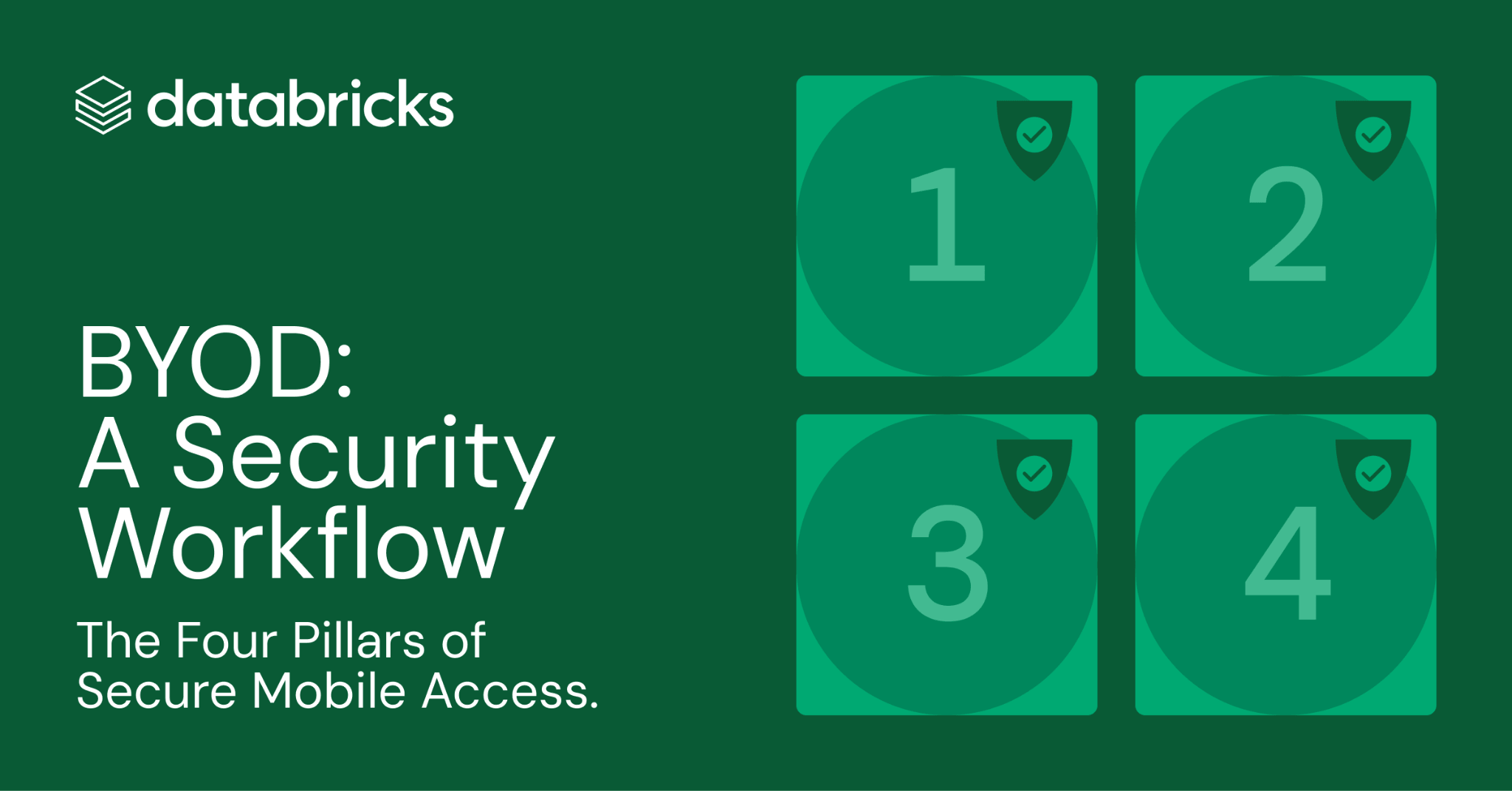
Databricks outlines a four‑layer BYOD mobile security model—MDM enrollment (account‑driven user enrollment), identity‑based access with contextual signals, continuous zero‑trust posture checks via per‑app VPN, and managed‑app controls—while emphasizing employee privacy and transparent communication to drive adoption.
Databricksdatabricks.com7 minA Model for Winning Survivor
Hacker News front pagevictoriaritvo.comHN5328There's no point at which turning your brain off will work
Dan Luu argues that turning off your brain and letting LLMs write code unchecked doesn’t work; while agents can help, they still need human oversight, especially on out‑of‑distribution problems, and cannot replace skilled engineers for most production work.
Announcing new builds for 18 September 2026
Microsoft released new Windows 11 Insider Preview builds for Beta and Experimental channels, adding a sleeker mouse indicator animation, a contrast theme toggle in Magnifier, and enhancements to Cloud rebuild that allow drive sanitization and remote triggering via CSP. These changes affect accessibility users, IT admins, and anyone testing the latest builds.
Microsoft Edgewindows.com1 minreleasev0 now reads npm credentials from shared environment variables
v0 now supports installing private npm packages by reading credentials from shared environment variables (NPM_TOKEN or NPM_RC). This lets teams use internal registries without exposing secrets to the runtime.
Vercelvercel.com1 minreleasePhoton-Emission-Guided Laser Fault Injection Enables RP2350 Secure Debug
Researchers used photon‑emission microscopy to locate the DEBUGEN register on a decapsulated RP2350, then applied focused laser pulses to flip its bits, re‑enabling Secure debug and extracting a secret stored in OTP memory. The attack needs physical access and a $250 k lab setup, showing that the chip’s permanent debug‑disable can be overridden.
Hacker News front pageledger.com13 minHN21792Announcing Native BM25 Ranking in AlloyDB and Cloud SQL
Google Cloud adds native BM25 ranking to AlloyDB and Cloud SQL (PostgreSQL 17+) via the open‑source pg_textsearch extension, letting you run keyword‑based full‑text search inside the database. This removes the need for a separate search backend and, on AlloyDB, speeds up vector queries up to 10×.
Google Cloud Bloggoogle.com2 minReimagining service delivery in the agentic era with Google Public Sector
Google Public Sector’s blog post outlines how several U.S. state and local agencies are using Google Cloud’s AI services (BigQuery, Gemini, document‑analysis models) to replace manual data‑entry pipelines, consolidate data silos, and accelerate specific projects. Reported outcomes include mapping 52 k parcels in <1 yr vs. a 33.5‑yr estimate (UT DOT), $1.3 M cost savings for real‑time translation…
Google Cloud Bloggoogle.com4 minChanging the game: How Google uses agentic AI to secure hundreds of millions of lines of code
Google’s AI & Infrastructure team built an agentic pipeline (Mantis) that runs pre‑submit AI‑driven scans on every code check‑in, validates findings with a fast triage agent (AST + call‑graph analysis) achieving >92% precision in <1 min, then auto‑generates fixes via a bug‑fix agent. Localized threat models and a two‑step scan cut false‑positives to ~3% and prevent hundreds of vulnerabilities eac…
Google Cloud Bloggoogle.com4 minThe DevFest Community Workshop Experience: Building Real Agents Together
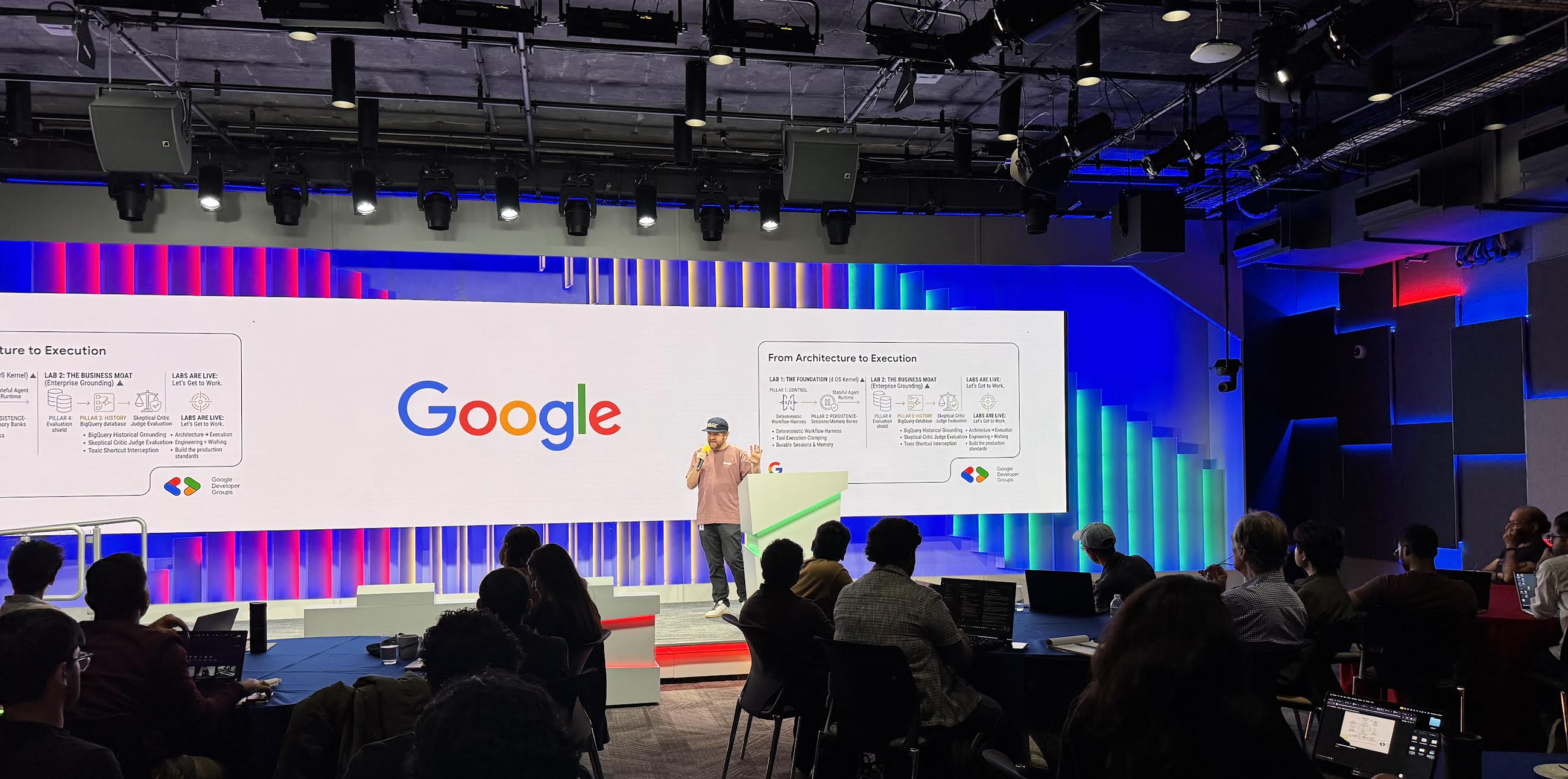
Google’s DevFest Community Workshop introduced a “Workbench” format that emphasizes architectural mental models over copy‑paste code, guiding engineers to build long‑running, self‑evolving multi‑agent systems with the Agent Development Kit and Gemini Enterprise platforms. Attendees learned state‑separation, workflow pausing, and self‑patching pipelines, and the series will continue in five more c…
Google Cloud Bloggoogle.com2 minAccelerating the borderless Lakehouse: Announcing preview of cross-cloud caching
Google Cloud previewed cross‑cloud caching for its Borderless Lakehouse. The feature caches sub‑file Parquet blocks in Google Cloud, encrypts them with GMEK, isolates cache per tenant/region, and validates freshness via metadata checks. In tests it can reduce cross‑cloud data transfer to <5% of the original size, lowering query latency and cost for Iceberg tables stored in other clouds. BigQuery…
Google Cloud Bloggoogle.com3 minreleaseHow to upskill enterprise AI builders by using daily micro habits
Google Cloud Consulting proposes a four‑pillar micro‑learning framework for enterprise AI upskilling: 5‑minute browser‑based exercises, pre‑configured sandboxes, daily streaks, and delivering runnable code each session. A pilot (Advent of Agents) showed >150k participants, 859k code runs, and a 31% daily return rate, suggesting short, frictionless tasks improve engagement versus traditional bootc…
Google Cloud Bloggoogle.com3 min★ Detecting spam and auto-replies with Jev and the Laravel AI SDK
Jev is a "System One" AI model focused on classification, providing calibrated probabilities for predefined answers rather than generating text. This article demonstrates its use with the Laravel AI SDK to replace complex rule-based systems for detecting spam and auto-replies in a helpdesk application.
Freek Van der Hertenfreek.dev6 minBenchmarking Wild vs Mold
Reproduces Mold’s linker benchmarks on a 16‑core Ryzen, shows that configuration (filesystem, delete‑output, fork) explains most of the Wild vs Mold speed gap, and notes recent Mold releases and upcoming Wild tweaks that close the gap.
Should you read the code, is RAG dead, and did Skills kill MCP?
The article debunks five common AI‑tool hot takes, arguing you still must read AI‑generated code, AI fluency matters in hiring, MCP and Skills serve different purposes, RAG remains useful, and needing fine‑tuning signals a messy codebase. It offers concrete rules for reviewing generated code and integrating AI components responsibly.
GitHub Oldgithub.blog5 minHN3Two busy people turned team building for 42 teammates into a memorable adventure
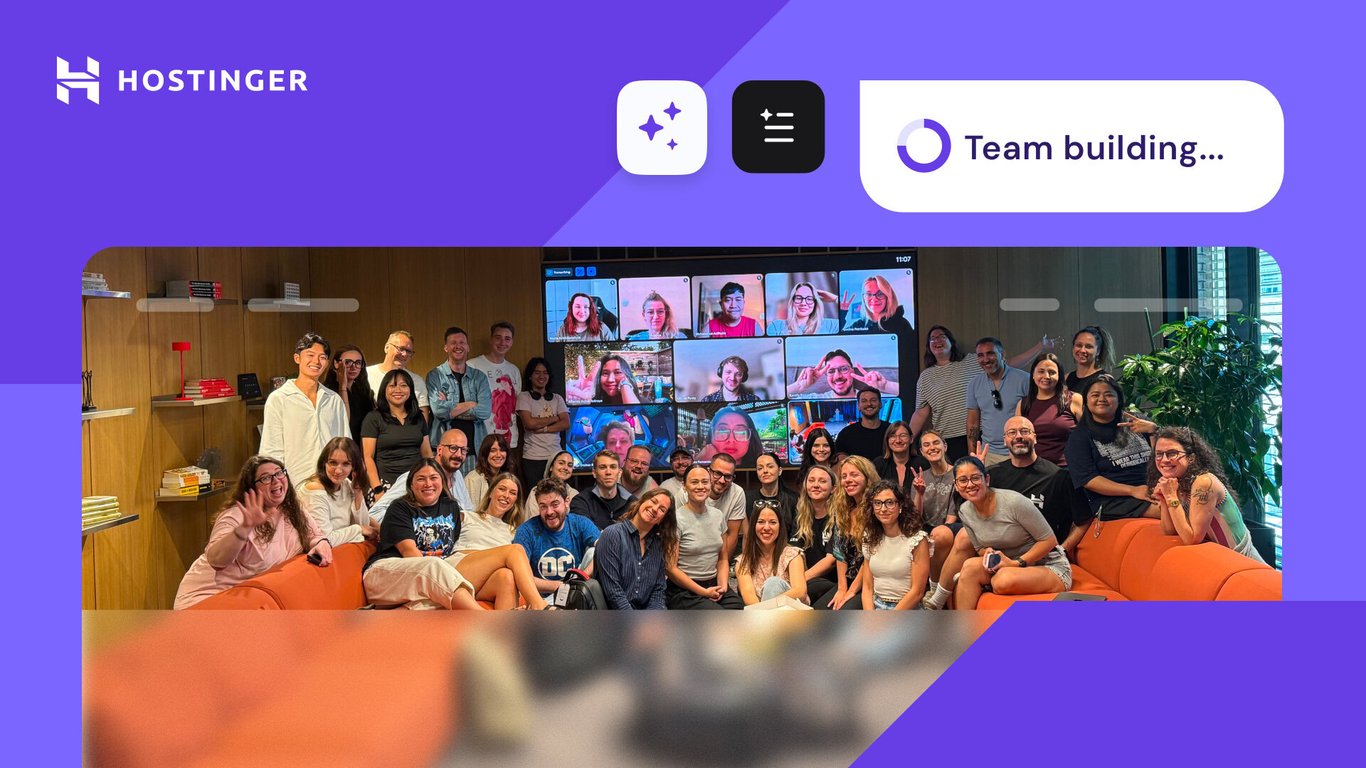
Two Hostinger staff built a custom scavenger‑hunt web app with AI Builder to run a two‑hour, 42‑person team‑building game in Vilnius, using live scoring, photo submissions, and hidden leaderboard tricks to boost engagement.
Hostingerhostinger.com10 min