proomt

Search

Search posts, papers, and topics

Top

  1. 601

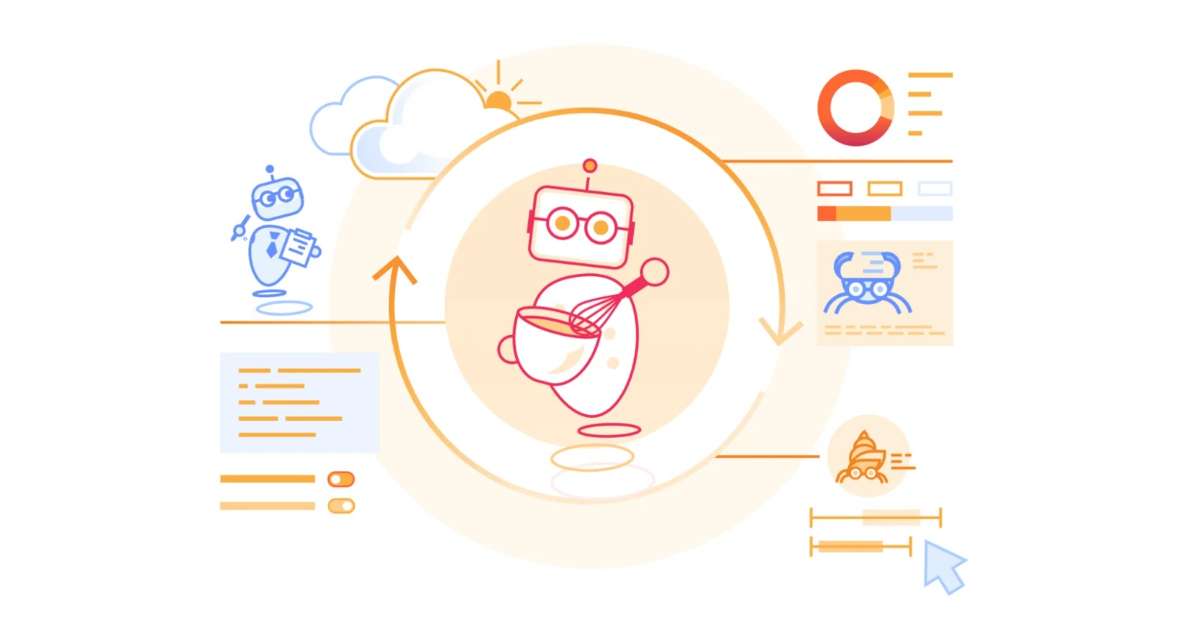
    What four people at Hostinger actually do with AI all day (and what happens when you have an agentic beef)

    Hostinger staff use custom AI agents to automate daily tasks—from code reviews to influencer lead sourcing—shifting their work from doing the work to managing the agents. Building reliable “harnesses” (prompt contexts, constraints) consumes most of the engineering effort, and agents still hallucinate, repeat work, or suggest unsafe fixes, so human oversight remains essential.

    Hostingerhostinger.com8 min
  2. 602

    The 6 best conversational AI platforms in 2026

    Zapier’s Ben Lyso reviews six conversational‑AI platforms (Fin, Voiceflow, Google Conversational Agents, Decagon, Kore.ai, Cognigy) on criteria like custom agent building, conversation quality, channel coverage, and integration depth, noting pros/cons, pricing, and deployment nuances.

    Zapier Engineeringzapier.com16 min
  3. 606

    The DevFest Community Workshop Experience: Building Real Agents Together

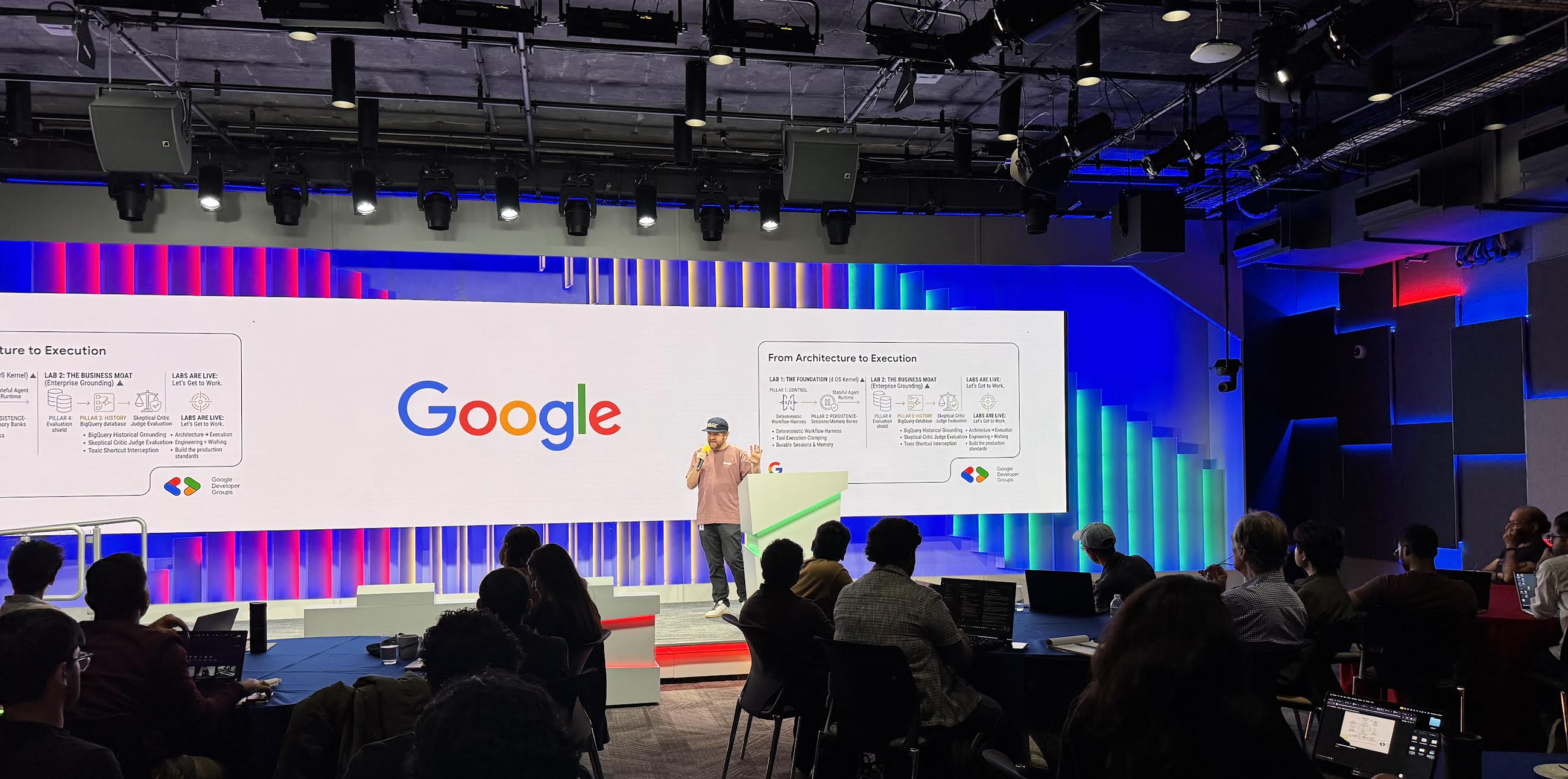
    Google’s DevFest Community Workshop introduced a “Workbench” format that emphasizes architectural mental models over copy‑paste code, guiding engineers to build long‑running, self‑evolving multi‑agent systems with the Agent Development Kit and Gemini Enterprise platforms. Attendees learned state‑separation, workflow pausing, and self‑patching pipelines, and the series will continue in five more c…

    Google Cloud Bloggoogle.com2 min
  4. 607

    Laravel Scalpel Scans for Filesystem Intrusion Evidence

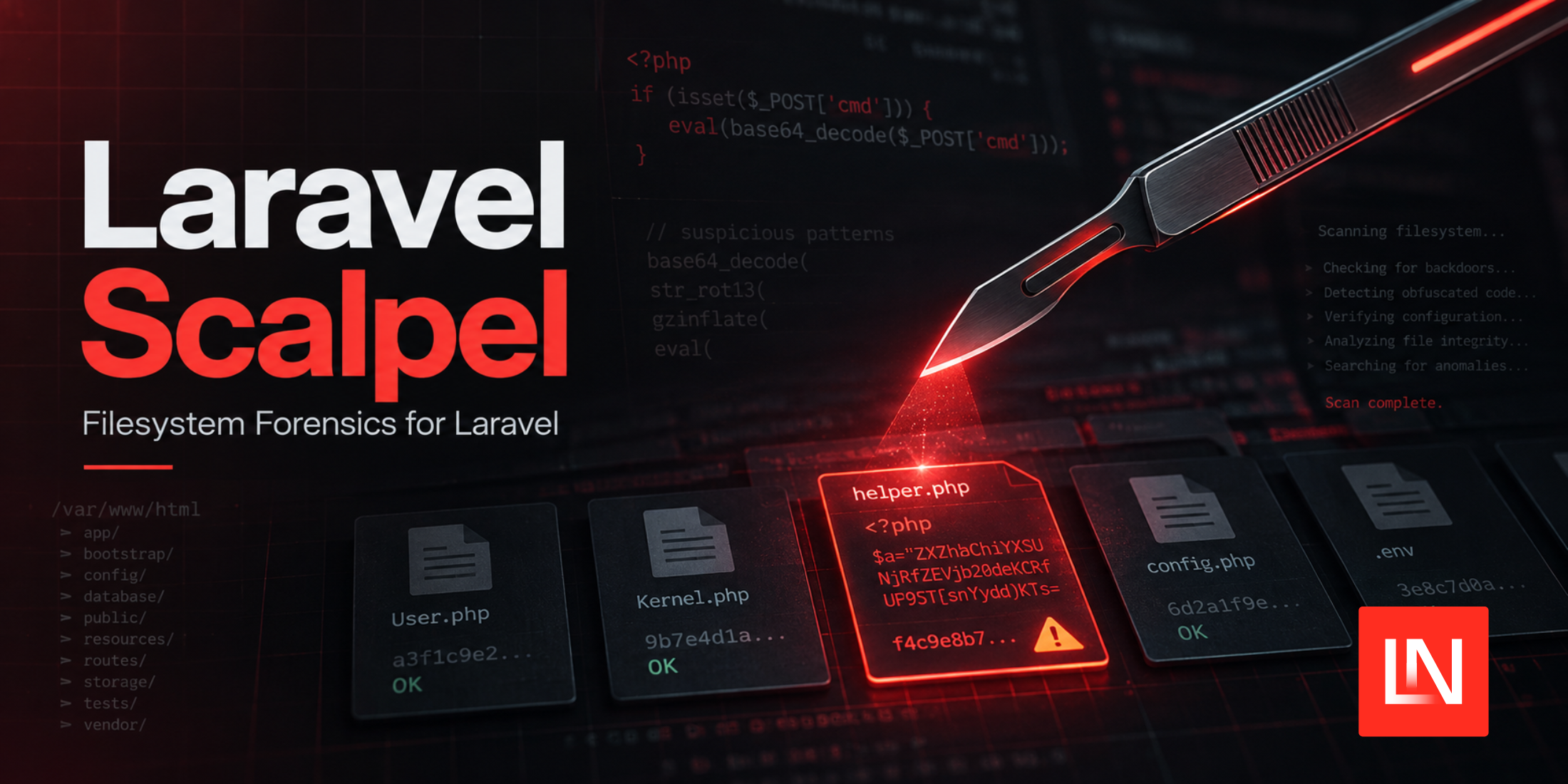
    Laravel Scalpel is a Laravel‑native scanner that looks for post‑deployment filesystem tampering – rogue PHP files, obfuscated backdoors, altered .htaccess/.user.ini, missing or mis‑configured .env, and diffs against a signed baseline. It ships with six built‑in scanners, baseline snapshot commands, fast vs strict hashing modes, CI‑friendly output (JSON, SARIF, GitHub annotations) and a ScanFinish…

    Laravellaravel-news.com5 min
  5. 608

    Use Curiosity, Craft, and Care to Decide What AI Should Write

    The post proposes a three‑principle framework—Curiosity, Craft, and Care—to decide how much AI should author each artifact in a software development workflow. It argues that AI can be used aggressively for exploratory, disposable outputs (Curiosity) but should be limited for artifacts that commit the team to decisions (Craft) and for communications that require personal ownership (Care). The auth…

    Atomic Objectatomicobject.com4 min
  6. 609

    Cloud CISO Perspectives: How Google monitors AI threats and advances AI defenses

    Google’s Threat Intelligence team outlines three AI‑driven shifts—software build changes, expanded attack surface, and enhanced threat capabilities—then describes their multi‑model, graph‑based defense stack (AI Threat Tracker, in‑editor “spellcheck”, Wiz Security Graph, Gemini‑powered AI Threat Defense) and concrete threat examples like supply‑chain poisoning, LLMJacking, and AI‑orchestrated cre…

    Google Cloud Bloggoogle.com11 min
  7. 612

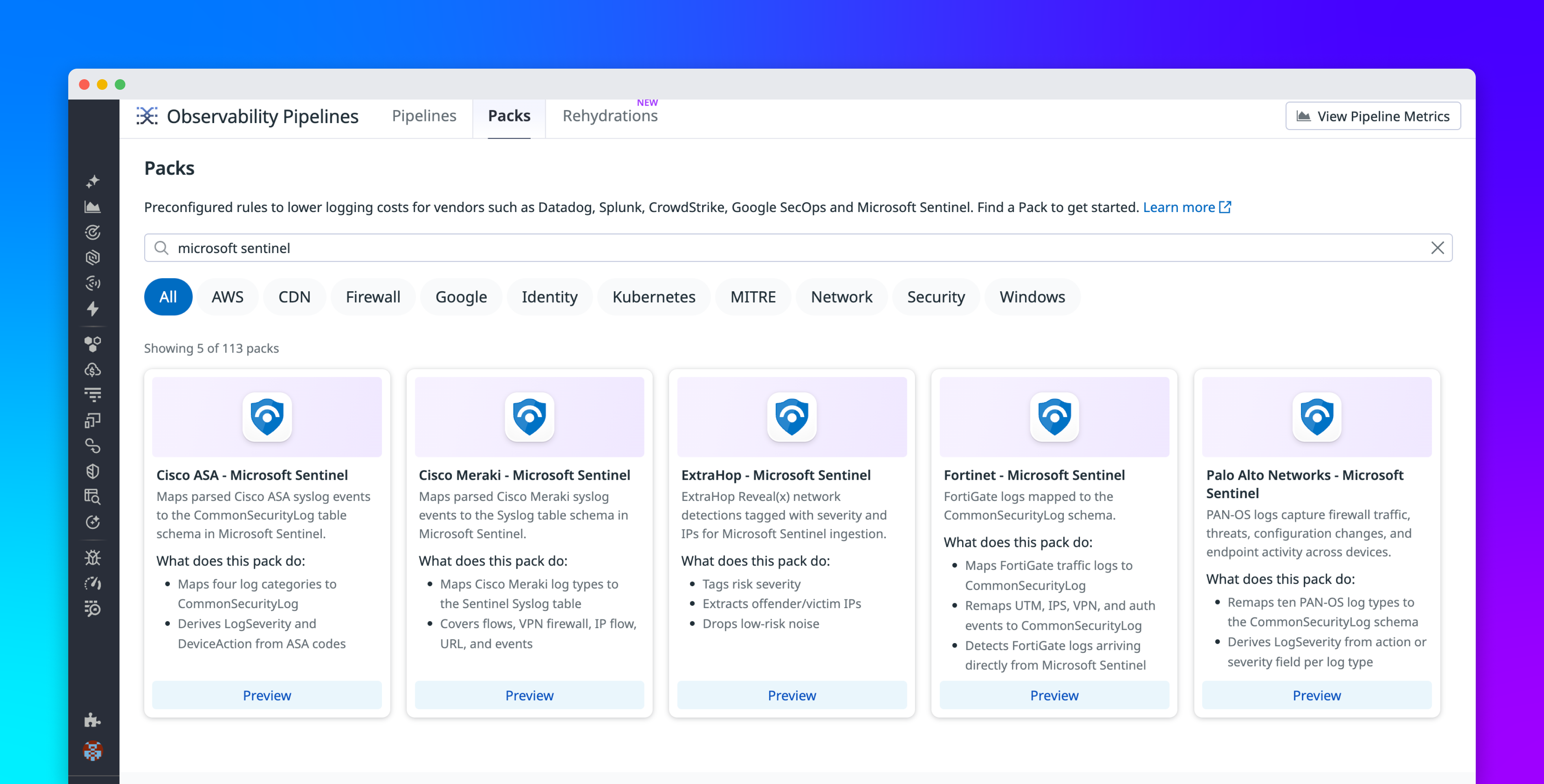
    Transform and route security logs to Microsoft Sentinel tables using Observability Pipelines

    Datadog Observability Pipelines now ships pre‑built Microsoft Sentinel Packs that map logs from Palo Alto, Fortinet, Cisco ASA, Cisco Meraki, and ExtraHop into Sentinel’s CommonSecurityLog or Syslog tables. Packs handle field extraction, severity derivation, and device‑action mapping, letting you filter or drop low‑value events before ingest, validate mappings with Live Capture, and reduce per‑GB…

    Datadogdatadoghq.com5 min
  8. 613

    Cute Critters Come to the Cloud: ‘Aniimo’ Launches on GeForce NOW

    Nvidia announced that the new creature‑catching game Aniimo and several other titles are now available on GeForce NOW, with features like path‑tracing for 007 First Light and RTX 5080‑class streaming for premium members. The update also lists 11 new games joining the service and notes a day‑pass that can be applied toward a monthly membership.

    Nvidianvidia.com3 min
  9. 614

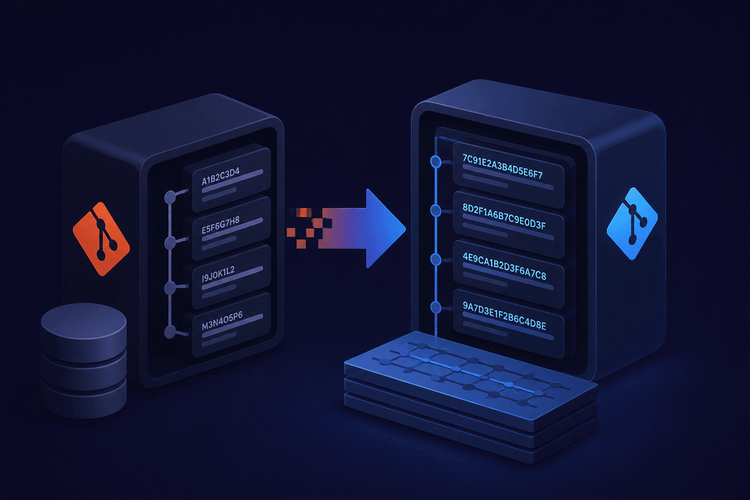
    Migrating Repositories to Git 3.0: Moving to SHA-256 and Reftables

    The article outlines a step‑by‑step workflow for migrating existing Git repositories to the new SHA‑256 object format and reftable reference backend, including an audit script, conversion commands, and rollback guidance. Following the guide lets teams modernize their repos, improve scalability and address SHA‑1 security concerns.

    SitePointsitepoint.com17 min
  10. 615

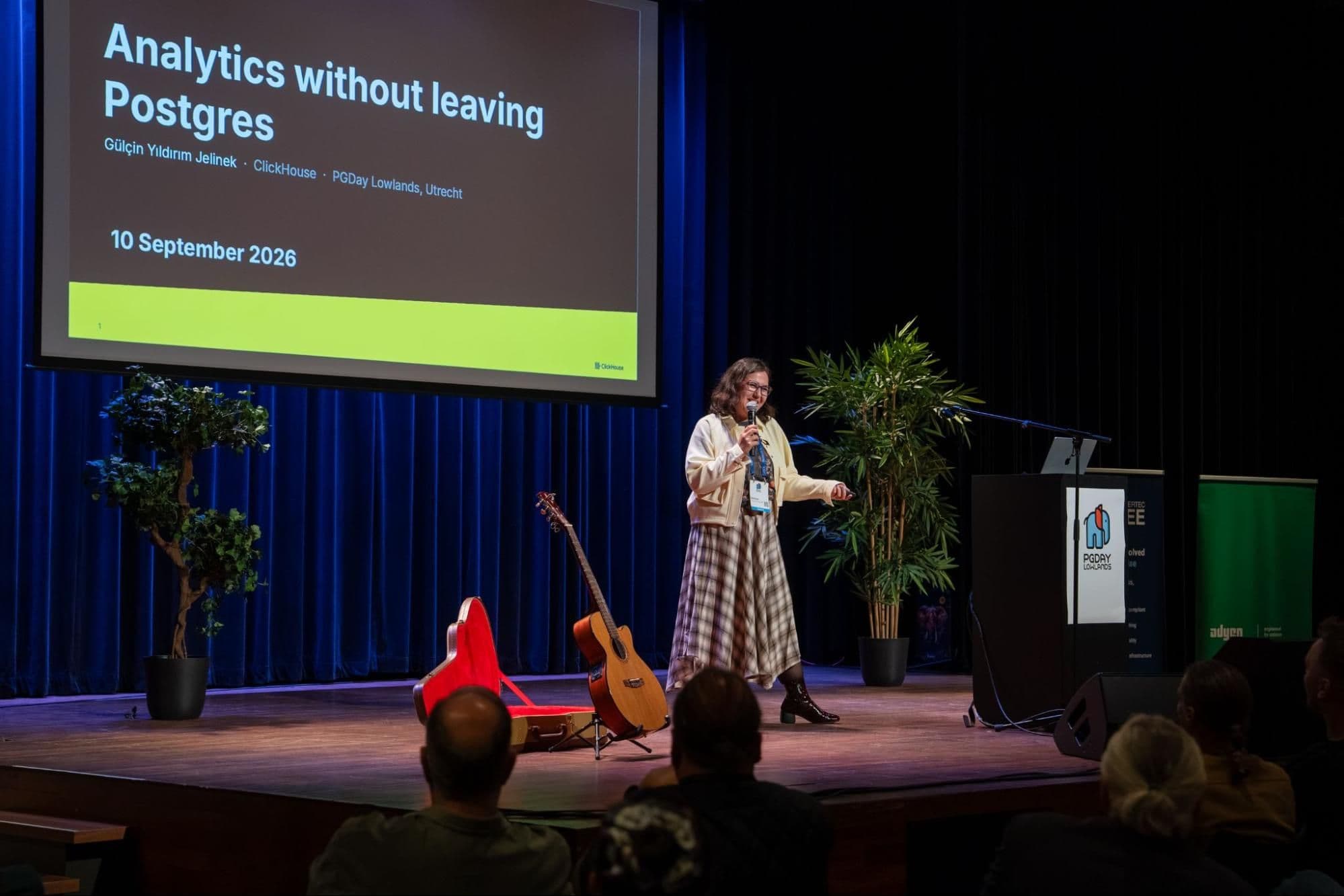
    Postgres week in the Netherlands: PGDay Lowlands & Percona Live 2026

    The author recaps two Dutch conferences where they presented ClickHouse‑Postgres extensions and discussed PostgreSQL 19 monitoring enhancements. The post explains how pg_clickhouse provides transparent query push‑down to ClickHouse and how pg_stat_ch streams per‑query metrics, plus new logging defaults and system views in PG 19.

    ClickHouseclickhouse.com7 min
  11. 616

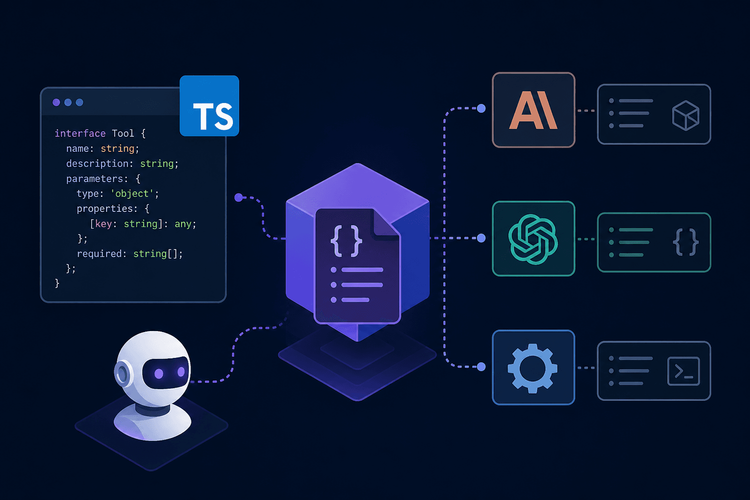
    TanStack Charts Introduced with a Framework Agnostic Grammar of Graphics for TypeScript

    TanStack Charts α is a framework‑agnostic, TypeScript‑first charting library that implements a grammar‑of‑graphics API (marks, scales, channels, transforms, layers). It ships as a single npm package with adapters for React, Preact, Vue, Solid, Svelte, Angular, Lit, and vanilla DOM, and can run on server or client. The runtime is headless; type inference stays tied to the source row, so each mark…

    InfoQinfoq.com2 minrelease
  12. 617

    Juicebox vs Noon: How much of sourcing should AI own?

    Juicebox and Noon are AI‑sourced recruiting platforms that differ on control: Juicebox lets recruiters brief and steer autonomous agents, surfacing search rationale and offering ISO‑42001‑ready governance; Noon trains an autonomous sourcer to run the top‑of‑funnel end‑to‑end with less human oversight. The guide suggests trialing both by testing mid‑search steering (Juicebox) versus hands‑off qual…

    SitePointsitepoint.com7 min
  13. 618

    Microsoft Open-Sources TauGrid to Simplify AI Workload Management on Kubernetes

    Microsoft open‑sourced TauGrid, a Helm‑installable platform that bundles Kueue, KubeRay and other components to schedule, monitor and checkpoint AI workloads on GPU‑enabled Kubernetes clusters. Engineers define jobs in a simple `tau.yaml`, and TauGrid handles queuing, health checks, and observability, simplifying AI workload management.

    InfoQinfoq.com2 min
  14. 621

    pgAssistant 3.8.0 : continuous improvement loop for Postgres

    pgAssistant 3.8.0 expands from a tuning advisor to a continuous PostgreSQL improvement platform, adding a Collector that records historical workload and environment data. It lets teams run an Observe‑Diagnose‑Prioritize‑Plan‑Implement‑Measure loop, compare consecutive snapshots, and measure the impact of applied recommendations.

    PostgreSQLpostgresql.org1 minrelease
  15. 622

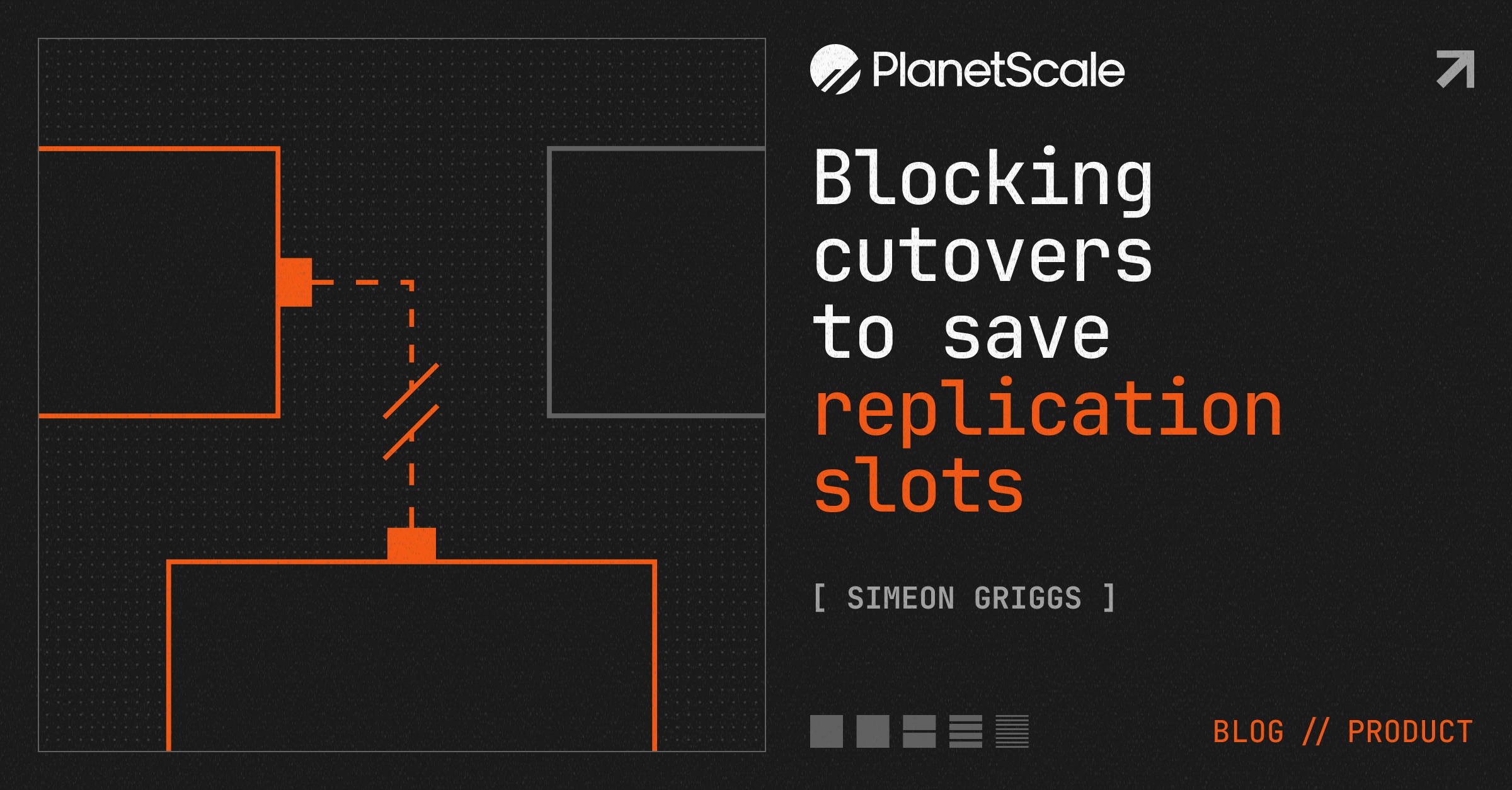
    Blocking cutovers to save replication slots

    PlanetScale’s Postgres operator blocks cutovers that would leave logical replication slots out‑of‑sync. By requiring `failover=true` on slots and turning on `hot_standby_feedback` and `sync_replication_slots`, the operator ensures slots survive a primary promotion, preventing downstream CDC consumers from losing data.

    PlanetScaleplanetscale.com5 min
  16. 623

    MiMo V2.6 models now available on AI Gateway

    Vercel AI Gateway now offers three Xiaomi MiMo V2.6 models (Pro, Flash, Pro UltraSpeed) with up to 1 M token context, 1 T total parameters (42 B active per token) for Pro, 309 B total (15 B active) for Flash, and a 20× speed variant. The models support multimodal inputs and can be used via Vercel’s unified API and CLI for coding agents.

    Vercelvercel.com1 minrelease
  17. 624

    One Vault, from Your Phone to the Browser

    CodeName One introduces a new com.codename1.security.vault API to simplify secure, cross-device data encryption and access for mobile and web applications. It manages key derivation, wrapping, and synchronization without exposing the data key to the sync server.

    CodeName Onecodenameone.com5 min
  18. 625

    How Meshtastic Metrics Exporter Turned Eight Prometheus Queries Into One with Tiger Data

    A Python exporter reads Meshtastic mesh telemetry from MQTT and writes it directly into a TimescaleDB‑enabled PostgreSQL instance, replacing a Prometheus setup that hit ~0.5 M series for 10 k nodes. The single database lets Grafana dashboards join node metadata with eight time‑series tables in one query, eliminates scrape‑budget limits, and uses native retention/compression (14‑day compression, 3…

    Timescaletigerdata.com6 min
  19. 626

    Cloudflare Introduces the Agent Development Lifecycle to Replace Traditional SDLC

    Cloudflare’s Agent Development Lifecycle (ADLC) replaces the classic SDLC with an autonomous, event‑driven workflow system that lets AI agents handle code generation, testing, deployment, and maintenance. The platform builds on Cloudflare Workflows and the new @cloudflare/ci library to spin up containers, run headless browsers, and chain steps with caching and credential support. Observability is…

    InfoQinfoq.com2 min
  20. 627

    For SeaVerse, GKE Agent Sandbox reduces infrastructure costs by 60%

    SeaVerse uses GKE Agent Sandbox (Kata Containers + Cloudhypervisor or gVisor) to run isolated AI sandboxes at scale, achieving 300 allocations / s per cluster (90% ≤ 200 ms) and cutting infrastructure spend by up to 60% via flexible VM sizing and per‑sandbox persistent storage, while gaining native Cloud observability.

    Google Cloud Bloggoogle.com5 min
  21. 628

    ML based ranking using Nrtsearch

    Yelp added an Inference Plugin to Nrtsearch that runs XGBoost and neural‑network models inside the search engine, eliminating a separate scoring service. The plugin extracts features from index documents, loads MLeap bundles from MLflow, and serves predictions on replica nodes with millisecond latency.

    Yelp Engineeringyelp.com7 min
  22. 629

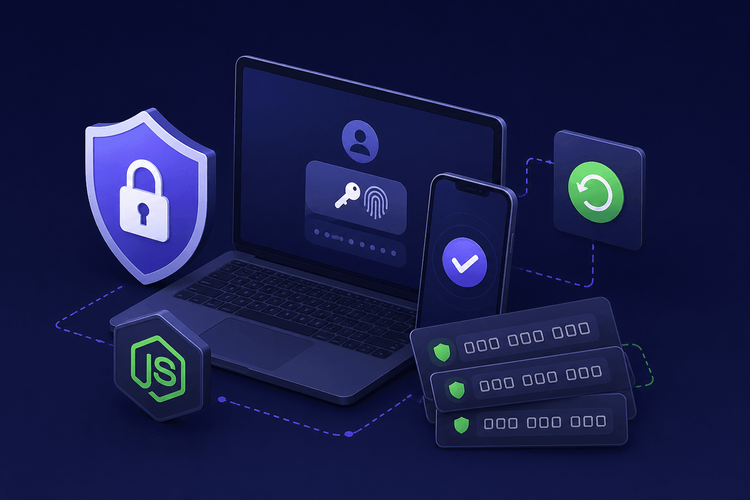
    WebAuthn Passkey Recovery: Building Account Fallbacks and Backup Codes in Node.js

    A step‑by‑step tutorial for building a zero‑trust WebAuthn passkey recovery flow in Node.js/TypeScript. It covers generating 128‑bit backup codes, hashing them with Argon2id, rate‑limited verification, time‑boxed JWT recovery sessions, and orchestrating new credential registration with @simplewebauthn/server while revoking lost credentials and rotating codes.

    SitePointsitepoint.com19 min