631
Top
- 632
MCP was always a bad idea?
The author argues that Model Control Protocol (MCP) still has value even with powerful coding agents. MCP lets you control service access, manage authentication safely, provide a UI for connections, and keep audit logs.
Simon Willisonsimonwillison.net1 min - 633
Digitize analog gauge readings with edge AI
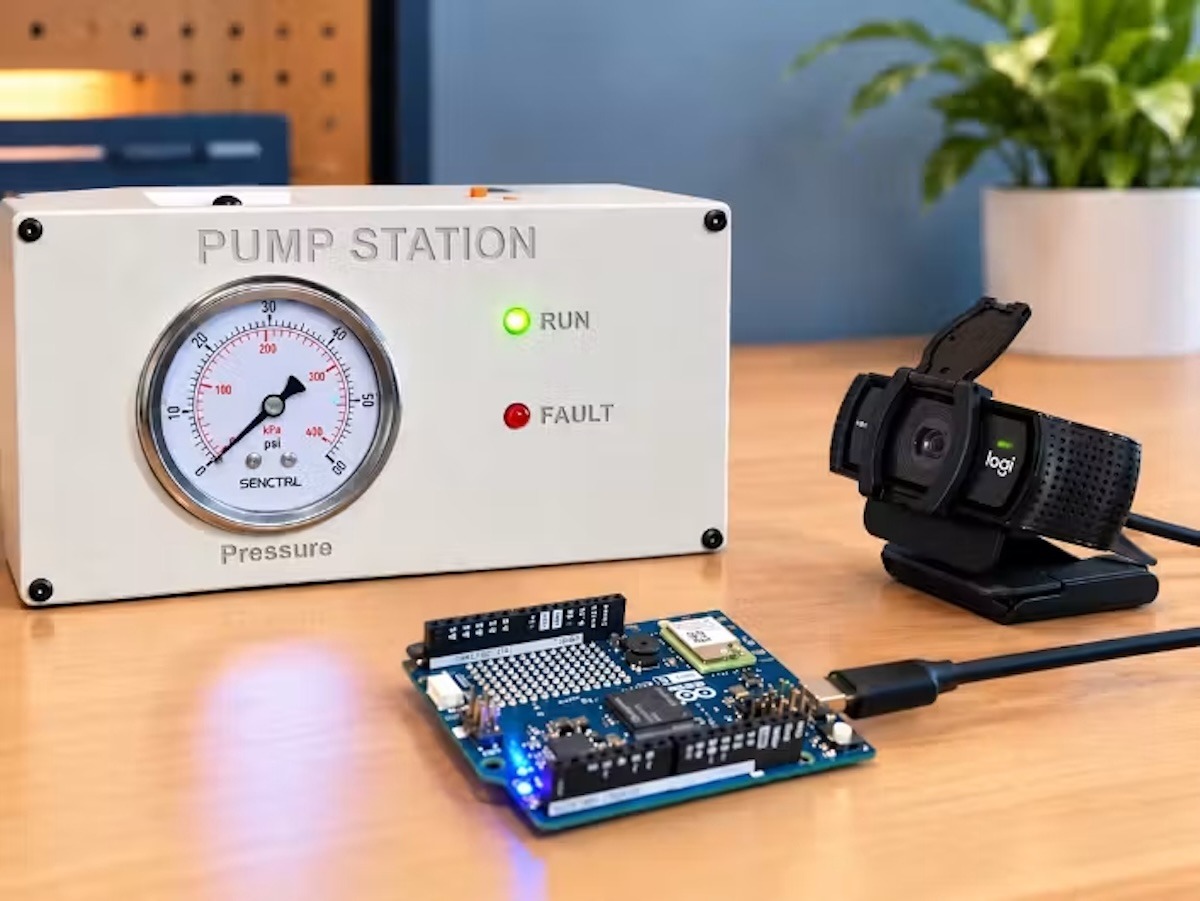
An edge AI solution uses an Arduino UNO Q and a USB webcam to digitize analog gauge readings without modifying existing industrial equipment. This approach avoids downtime and risks associated with physical alterations, offering a cost-effective way to modernize monitoring.
Arduino Blogarduino.cc2 min - 634
- 635
One Java Model from the App to PostgreSQL
Codename One introduces a backend runtime allowing a single Java model to define entities and validation rules for both client applications and the server. This approach aims to reduce duplication and ensure consistent data rules from the app to PostgreSQL.
CodeName Onecodenameone.com7 min - 636
Knowing When Your Composite Index Earns Its Write Cost
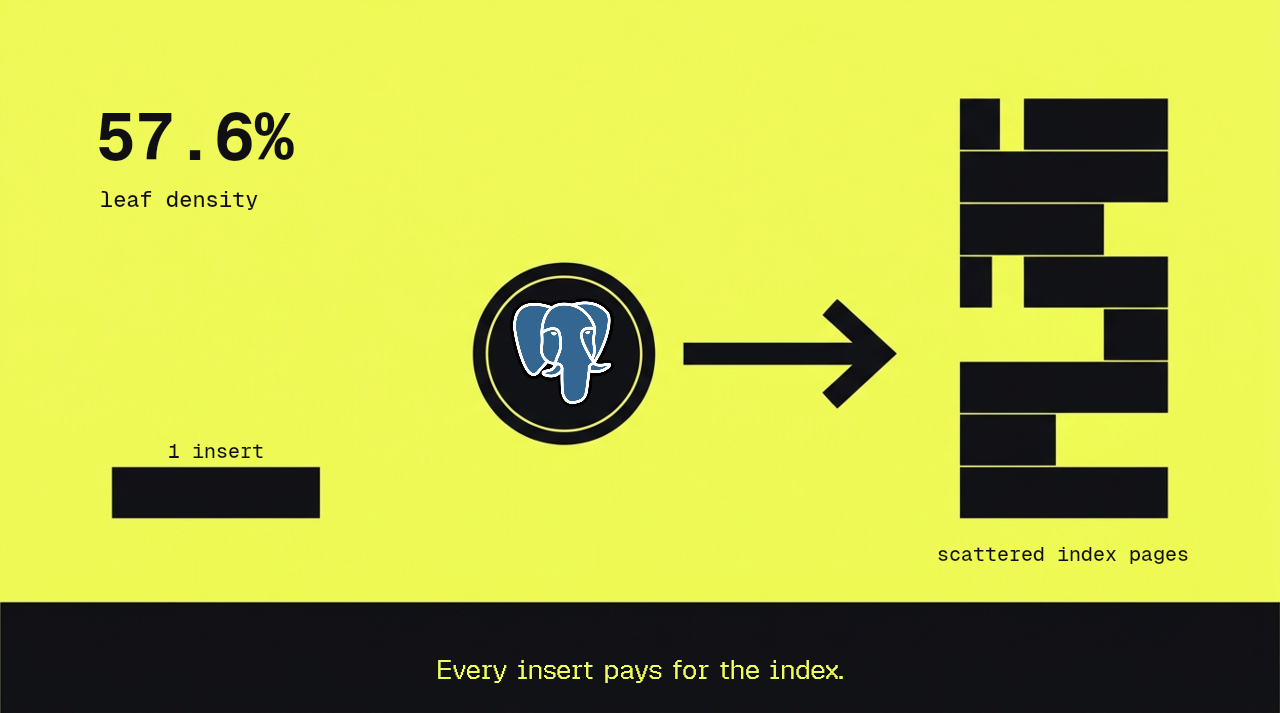
This guide explains how to evaluate the trade-off of adding a composite index in PostgreSQL by quantifying its read benefits and write costs. It provides a method to measure the impact on ingest throughput and decide if the index earns its overhead based on your system's peak ingest ceiling.
Timescaletigerdata.com8 min - 637
SaaS platforms are surging despite the SaaSpocalypse
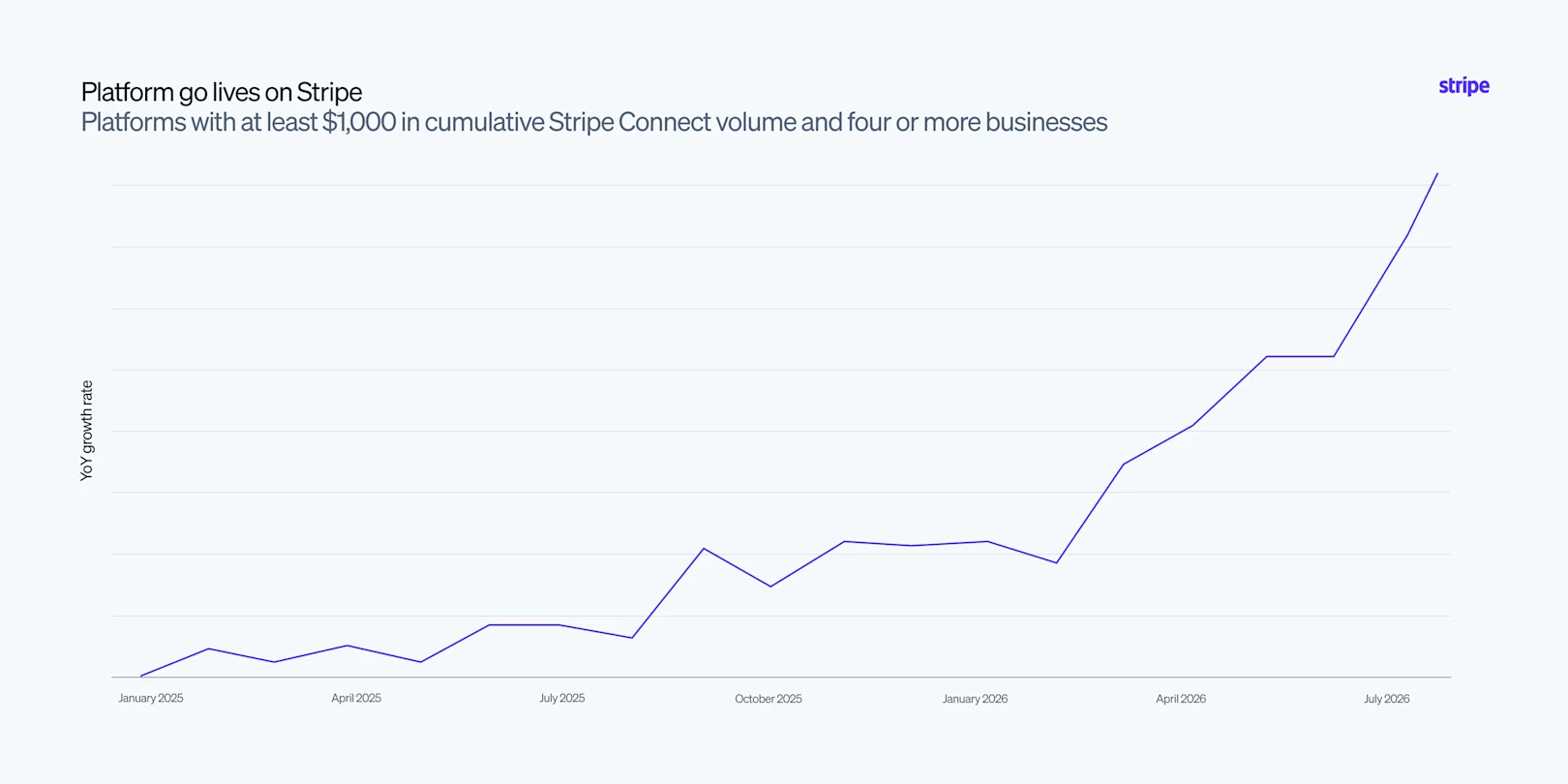
New SaaS platforms are experiencing a significant boom on Stripe, with new businesses up over 180% year-over-year, defying earlier market fears of a 'SaaSpocalypse'. These platforms differentiate by embedding deep industry knowledge and integrating core workflows, with AI accelerating their development and enhancing offerings.
Stripestripe.com3 min - 638
- 639
Concurrency Control: Your Aggregate Is Single-Threaded. Your Cluster Isn’t.
This article distinguishes between serialization (preventing concurrent access) and arbitration (permitting access and rejecting losers) in distributed concurrency control. It argues that arbitration should be responsible for correctness, as serialization guarantees are conditional and can fail silently in multi-process environments, leading to data corruption.
Atomic Objectatomicobject.com14 min - 640
Javadoc That Feels Like Your Website
Codename One replaced its Javadoc‑generated site with a Hugo‑based pipeline: a custom doclet emits one Hugo content file per Java type, preserving Markdown comments, generating a lightweight search index, and keeping the traditional offline Javadoc archive. The approach reduces index size (1.9 MB → 341 KB gzipped), retains existing anchors, and can be reused for other Java projects.
CodeName Onecodenameone.com4 min - 641
We now auto-approve and merge 15% of PRs
This article describes how a team implemented a bot to auto-approve and merge 15% of low-risk pull requests, aiming to reduce code review bottlenecks and improve development velocity. The system relies on custom deterministic linters, basic end-to-end tests, and a risk scoring mechanism to identify safe changes.
Swizec Tellerswizec.com3 min - 642
Website monitoring in the AI era: What's changed, what's fixed, and what your team should still be watching
AI‑driven monitoring replaces static thresholds with learned baselines, cutting noise and surfacing real user‑impact issues. However, teams still need to explicitly monitor DNS, SSL, content integrity, and multi‑region performance to avoid blind spots.
SitePointsitepoint.com7 min - 643
63% of developers have more work since non-devs began coding with AI, but most say it's good for the industry
A Zapier survey of 797 U.S. developers finds 63% see more work as non‑technical coworkers use AI coding tools, yet two‑thirds view the shift positively. Developers are moving toward higher‑value strategy, governance, and cross‑functional work, and the top future‑proof skills are security, AI/ML, low‑code QA, strategy, and data engineering.
Zapier Engineeringzapier.com5 min - 644
Helix: The internal tool powering our Shopify app's native migration
Helix is Shopify’s internal LLM‑driven framework for migrating React Native screens to native iOS/Android. It breaks a screen into tiny, reviewable checkpoints and forces each through four strict gates—behavior tests via a CLI, Gemini‑powered visual diff, two adversarial code reviewers, and a final engineer sign‑off—while remembering feedback to become more autonomous over time.
Shopifyshopify.engineering8 min - 645
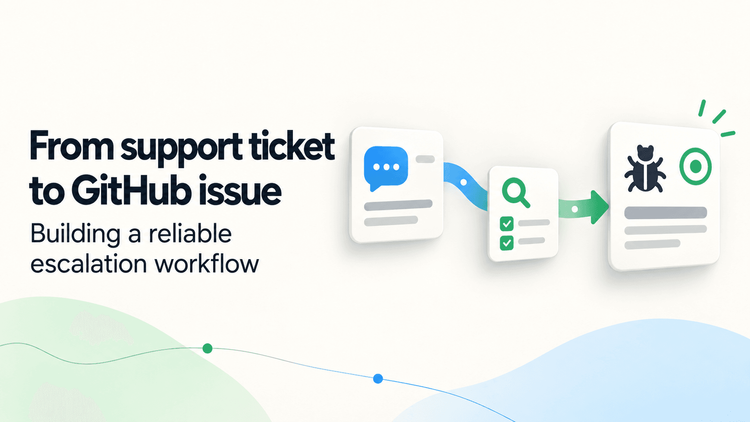
From support ticket to GitHub issue: Building a reliable escalation workflow
A step‑by‑step guide for turning support tickets into well‑structured GitHub issues. It defines escalation criteria, outlines a decision table for support, specifies required fields, and provides a minimal Node.js 24 adapter that validates input, builds a markdown issue body, and calls the GitHub Issues API with proper error handling and security considerations.
SitePointsitepoint.com11 min - 646
Kubernetes 1.37 Released: Stable Metrics API and Rootless Kubelet in Beta
Kubernetes 1.37 (Garhwal) ships GA Metrics API, beta rootless kubelet, GA resilient watchcache, GA pod certificates, and a suite of alpha/beta features (workload‑aware scheduling, pod checkpoint/restore, StatefulSet Recreate strategy). The release focuses on stability, security, and AI/ML cost‑optimisation.
InfoQinfoq.com2 minrelease - 647
Bring your Android game to the car screen today
A step‑by‑step guide for Android game developers to make their apps runnable on Android Auto and Android Automotive OS, covering manifest changes (appCategory, CAR_LAUNCHER, automotive hardware feature), parked‑state handling, controller support, screen‑size adaptation, testing tools (Desktop Head Unit, AAOS emulator), and Play Console publishing requirements.
Androidgoogleblog.com4 min - 648
The future of orchestration: Pine59’s journey to Airflow 3 on Google Cloud
Pine59 migrated its large data pipelines to Google Cloud's Managed Airflow (Gen 3) with Airflow 3, achieving significant performance gains and improved MLOps capabilities. This modernization reduced DAG run times by up to 32% and enhanced developer workflows with custom plugins.
Google Cloud Bloggoogle.com4 min - 649
Presentation: When Incidents Refuse to End
This presentation explains how marathon incidents expose the gap between work as imagined and work as done, revealing system interdependencies, organizational fragility, and human limits. Effective response requires structured endurance, humane rotations, and holistic cross-functional coordination, offering significant technical and organizational learning.
InfoQinfoq.com32 mintalk - 650
Enabling secure, productive work on personal devices
Databricks outlines a four‑layer BYOD mobile security model—MDM enrollment (account‑driven user enrollment), identity‑based access with contextual signals, continuous zero‑trust posture checks via per‑app VPN, and managed‑app controls—while emphasizing employee privacy and transparent communication to drive adoption.
Databricksdatabricks.com7 min - 651
On-Demand Masked Sessions with Twilio Proxy, Voice and Serverless
A step‑by‑step tutorial showing how to build a Just‑in‑Time masked‑call workflow with Twilio Voice, Proxy, and Sync, using a two‑bounce out‑of‑session pattern to collect a tracking code via IVR, resolve the counterpart’s number, stash it in Sync, and auto‑create a Proxy session on the fly—all deployed as Twilio Serverless Functions.
Twiliotwilio.com18 min - 652
- 653
Building Secure AI Agents with Microsoft Agent Framework and Auth0: Human-in-the-Loop Approval
This article demonstrates how to implement human-in-the-loop approval for an AI expense agent using Auth0's Client-Initiated Backchannel Authentication (CIBA). It enables secure, out-of-band manager approval via push notifications with specific binding messages, preventing the LLM from handling sensitive credentials.
Auth0auth0.com17 min - 654
- 655
MariaDB 13 Expands Oracle Compatibility and Improves Developer Experience and Observability
MariaDB 13 GA adds Oracle‑compatible REF CURSOR and RECORD types, a RETURNING clause for UPDATE, and richer optimizer hint handling. It also exposes replication role and index options via system tables for better observability.
InfoQinfoq.com2 minrelease - 656
RADAR: Catch gray failures with anomaly detection
Databricks built RADAR, a four‑stage, metric‑agnostic pipeline that uses streaming anomaly detection (SPOT) to surface gray failures in minutes with >90% precision. The blog shows how to recreate the system on Databricks for any metric, from billing to model drift.
Databricksdatabricks.com7 min - 657
- 658
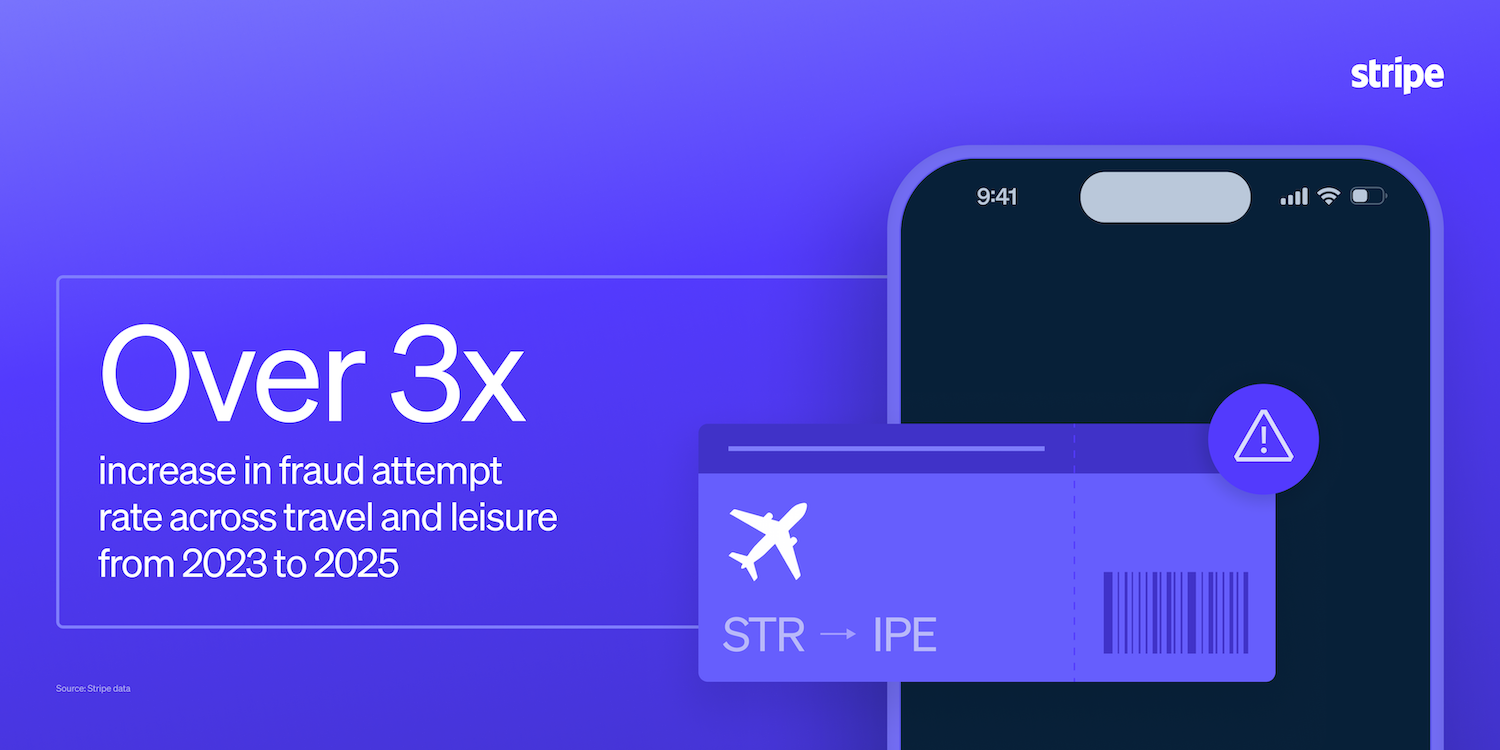
Analyzing rising fraud attempts among travel and leisure businesses on Stripe
Stripe analyzed payment data from over 200k travel and leisure merchants and found that fraud attempts surged globally in 2024‑2025, especially in APAC and EMEA, while the share of successful fraud after payment stayed flat. Their AI‑powered Radar blocked more than two‑thirds of attempts, intercepting $3 billion in fraudulent volume, and targeted rules helped specific merchants cut dispute rates…
Stripestripe.com5 min - 659
Out-of-Order HTML Streaming Moves from JS Frameworks into the Browser
The WICG declarative partial updates proposal adds `<template for>` and processing‑instruction markers to enable out‑of‑order HTML streaming directly in the browser. Chrome 150 ships the markup support; streaming DOM APIs (e.g., `streamHTMLUnsafe`) and `Response.textStream()` let servers push fragments that replace placeholders without blocking the rest of the page. Security is enforced by limiti…
InfoQinfoq.com2 min - 660
SolidStart 2: Replaces Vinxi with a Vite 8 and Enters Maintenance as Its Role Winds Down
SolidStart 2.0 replaces the Vinxi build layer with Vite 8’s Environment API, improving plugin compatibility and fixing CSS FOUC, then immediately moves into maintenance as its features are folded into core via Start mode.
InfoQinfoq.com2 min