721
datasette 0.65.5
Datasette 0.65.5 releases with a security fix: a trailing newline in a table name could bypass permissions and expose private rows (GHSA‑h547‑rmjf‑5m2m).
Simon Willisonsimonwillison.net1 minrelease
Search posts, papers, and topics
Datasette 0.65.5 releases with a security fix: a trailing newline in a table name could bypass permissions and expose private rows (GHSA‑h547‑rmjf‑5m2m).
The Stack Overflow podcast interviews AMD's VP about ROCm, an open‑source GPU toolchain, and how agentic AI is making low‑level hardware programming more accessible. The discussion is promotional and offers no deep technical insight.
Laravel 14 (Q1 2027) raises the PHP minimum to 8.4 and adds several concrete API changes: a new `Route::query()` method, `$user->authorize()`, context support for `report()`, `Storage::fake()` for on‑demand disks, extended `whereKey*()` helpers, and fixes to queue‑pause signatures, non‑mutating `lazy()`/`chunk()`, array handling in `Cache::has/forget`, and `MassPrunable` soft‑delete behavior. The…
A marketing‑style roundup of eight AI‑powered sales assistant tools, describing high‑level features, pricing, and pros/cons without deep technical analysis or original evaluation.
NVIDIA’s Halos platform is a full‑stack safety system for physical AI (autonomous vehicles and industrial robots). It bundles safety‑engineered hardware (DRIVE AGX Thor, IGX Thor), an ASIL‑D certified OS (Halos OS), middleware for isolation and monitoring, AI models for explainability (Alpamayo), and simulation/validation tools (Isaac Lab, Omniverse). The blog argues that scaling physical AI requ…
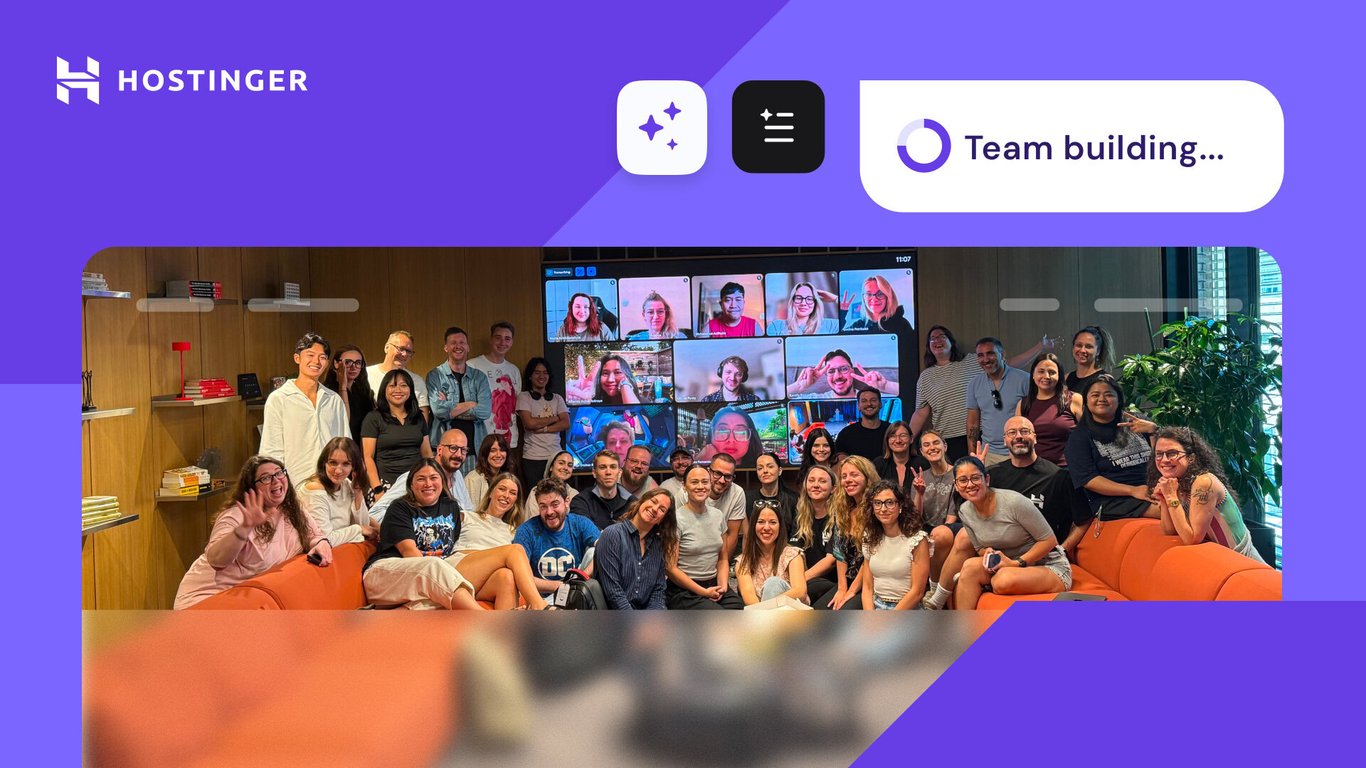
Two Hostinger staff built a custom scavenger‑hunt web app with AI Builder to run a two‑hour, 42‑person team‑building game in Vilnius, using live scoring, photo submissions, and hidden leaderboard tricks to boost engagement.
Google Cloud Consulting proposes a four‑pillar micro‑learning framework for enterprise AI upskilling: 5‑minute browser‑based exercises, pre‑configured sandboxes, daily streaks, and delivering runnable code each session. A pilot (Advent of Agents) showed >150k participants, 859k code runs, and a 31% daily return rate, suggesting short, frictionless tasks improve engagement versus traditional bootc…
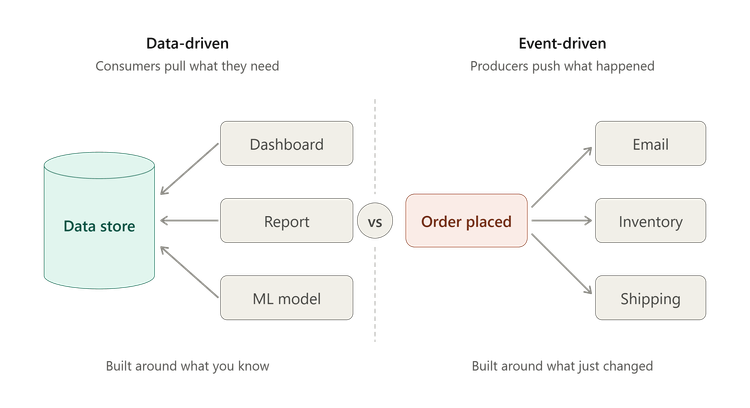
This article differentiates data-driven and event-driven architectures, explaining that data-driven focuses on state for analysis, while event-driven focuses on changes for real-time reactions. It provides clear use cases and trade-offs for each, emphasizing that they often complement each other in complex systems.
AI‑driven monitoring replaces static thresholds with learned baselines, cutting noise and surfacing real user‑impact issues. However, teams still need to explicitly monitor DNS, SSL, content integrity, and multi‑region performance to avoid blind spots.
The article proposes a rights‑respecting approach to age‑assurance, assigning actuation to services, using devices for privacy‑preserving signal creation, offering user choice of providers, and leveraging zero‑knowledge credentials. It argues that policy must enforce open standards and end‑to‑end risk assessment to avoid privacy, security, and competition harms.
Laravel 13.32.0 adds a Mercure broadcast driver (SSE‑based real‑time), new FilesystemAdapter methods copyToDisk()/moveToDisk() for cross‑disk file moves, and enum support in Queue pause/resume APIs. Minor tweaks include default Cloud exit codes, collection return‑type fixes, and Mercure installer integration.
ClickHouse's September 2026 newsletter highlights the 26.8 release with features like pipelined SQL and custom HTTP handlers, alongside previews for On-Demand Compute and a PromQL-compatible TimeSeries engine. It also covers new Postgres integration tools and a cost-performance benchmark for cloud data warehouses.
Vercel’s Secure Compute and Static IP builds now start 64% faster by using prewarmed containers, cutting the time from deployment creation to build start from 6.7 s to 2.4 s. The change is automatic and requires no user action.
Raymond Chen compares using std::call_once versus std::async (deferred) for lazy initialization in C++. He shows that std::async can be wrapped in a shared_future for repeatable get() calls, but it adds heap allocation and extra code, while call_once is tiny; exception behavior also differs.
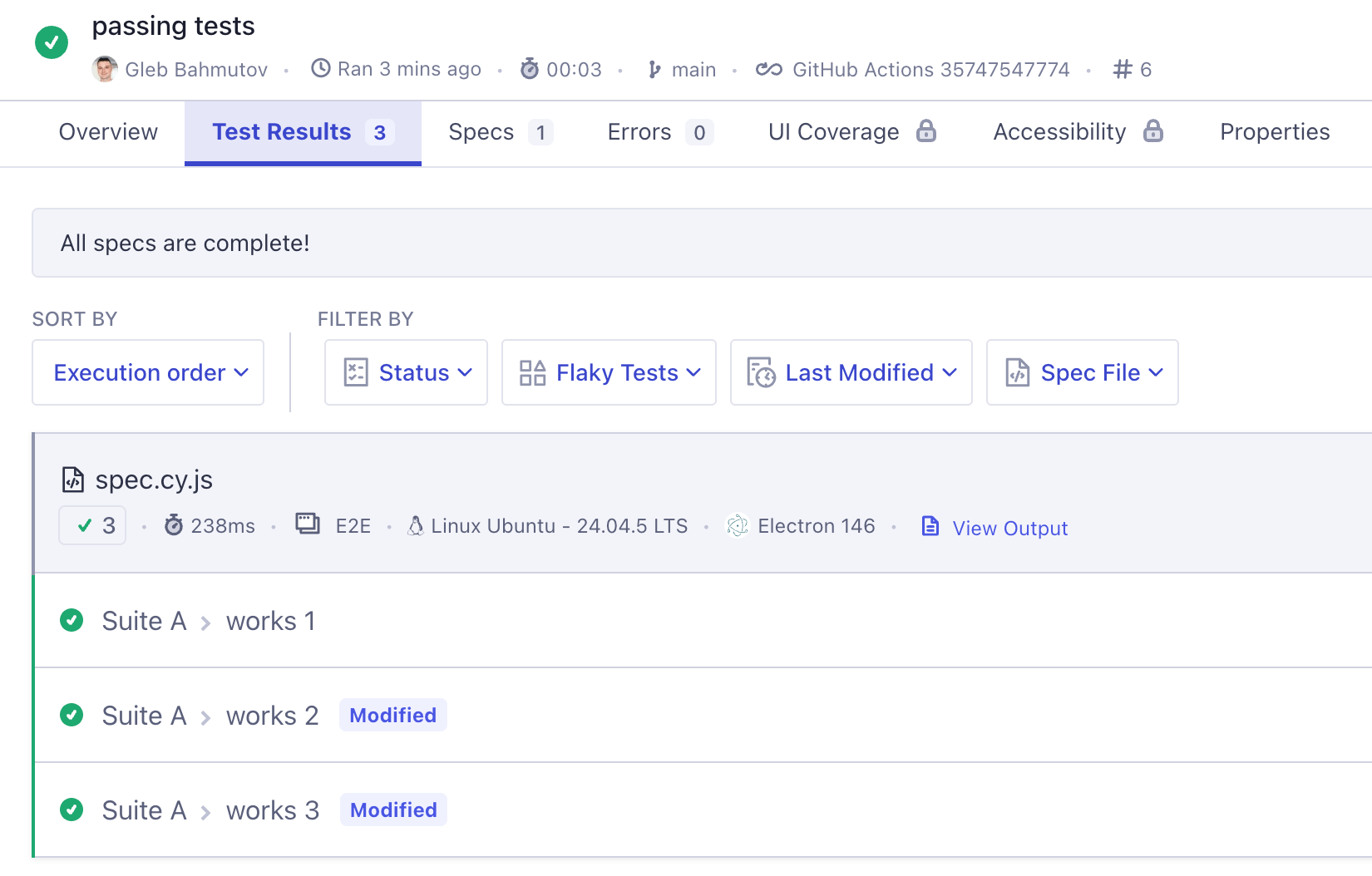
The post shows how to use Cypress Cloud’s CLI to fetch recent test run data, then script a simple triage that identifies tests that failed in the latest run and also failed previously. It walks through installing the CLI, querying runs and tests, and provides a Node script (triage.js) that automates the comparison, with a brief note on using AI to explore results.
Auth0’s early‑access FGA Permissions Index pre‑computes all implied user/agent permissions on write, streams the flat index into the customer’s own database, and lets applications enforce permissions with a simple SQL join instead of runtime graph traversals. The feature targets enterprise B2B SaaS workloads with high‑cardinality relations and AI‑driven agents, promising constant‑time lookups and…
Switching the language you think and talk in (e.g., from English to your native Spanish) can reduce mental overhead when debugging complex architectural issues, especially when using LLMs like Codex. The author treats bilingualism as a cognitive tool, not a deficit, and recommends deliberately switching languages—or any mental mode—to break through tough problems.
The post shows that e‑signature pricing is an engineering constraint and walks through modeling effective cost per completed envelope, preventing duplicate billing with idempotency, and monitoring usage. It includes a JavaScript cost estimator and practical retry handling advice.
Thoughtbot published an open‑source collection of Claude agent skills for automating routine dev tasks such as Dependabot PR reviews and test‑driven development. Engineers can clone the repo, use the skills, and contribute improvements.
Fast Excel 5.x adds lazy imports, chunked import controls, sheet/column selection, and formula escaping, enabling low‑memory processing of large Excel files in Laravel. It now requires PHP 8+ and Laravel 6‑13 and uses OpenSpout 4.
Codename One adds an invitation API that preserves a unique code through the install process on Android (via Play Install Referrer) and iOS (via App Clip) into the analytics stack. Create an Invite, register a listener at startup, and set a few build hints to get exact attribution without fingerprinting.
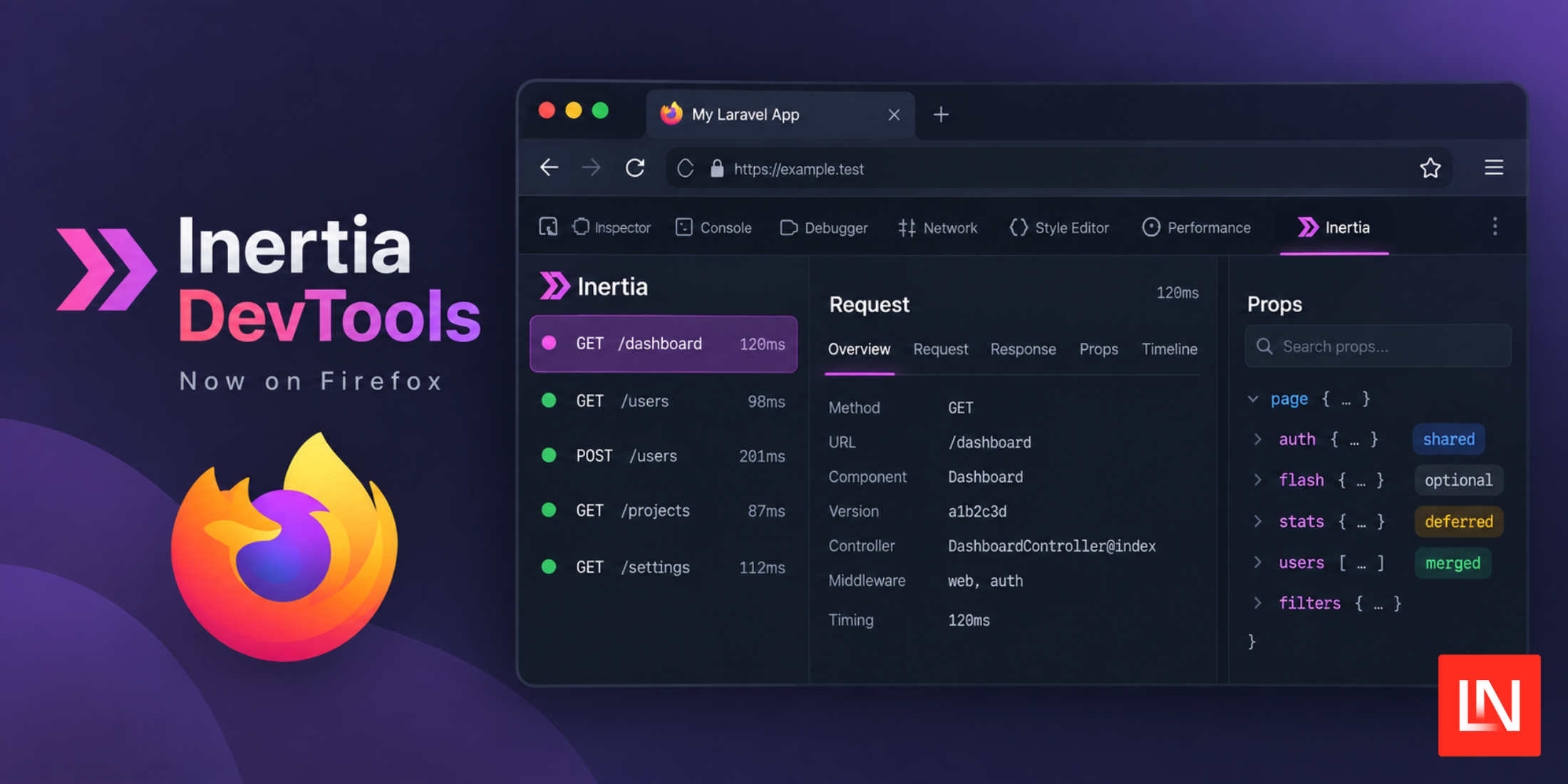
Inertia DevTools now has an official Firefox extension matching the Chrome version, adding an Inertia panel to DevTools that logs visits, props (with badges), request/response data, route info, and links to source files, with redaction of secrets.
The datasette-auth-github plugin now reaches 1.0, fixing a bug where cookies lacked a Max‑Age attribute and thus expired at session end. The fix ensures longer‑lasting sessions and the release is tested against recent Datasette versions.
AWS Elastic Beanstalk now offers a fully‑managed Cluster Mode that runs multiple applications on a shared Amazon EKS cluster, handling containerization, scaling, patching and observability automatically. It adds AI‑driven troubleshooting, OpenTelemetry support and standard deployment strategies while charging only for the underlying AWS resources.
Use AbortController to cancel in‑flight fetches for live‑search, combine with debouncing, handle AbortError separately, guard shared UI state with controller identity, clean up on component teardown, and optionally add request timeouts.
Function‑local "magic" statics give you thread‑safe, one‑time init for static data, but they’re limited to static storage and shared across all instances. Use `std::call_once` (or a small `lazy<T>` wrapper) when you need per‑object lazy init or when the value isn’t a static. The post shows concrete code for both approaches, explains the pitfalls of using a static inside a member function, and ske…
act runs GitHub Actions locally in Docker, letting you test PR‑triggered workflows without merging to main.
Auth0 Agent Gateway is a beta CIAM control plane that lets SaaS teams govern product‑native, customer‑facing AI agents. It adds organization‑aware identity, token‑exchange‑based credential delegation, real‑time policy checks, audit logging and a kill‑switch, aiming to prevent cross‑tenant data leaks and unauthorized tool use.
Mozilla released Firefox Profiler 0.10.0, adding several profiler‑cli features like category breakdowns, allocation data, thread listing, permalink support and a --with‑samply flag, plus UI and schema improvements. The update also tightens PII sanitization, adds typed‑array support, speeds up the call‑tree sidebar, and bumps the CLI version to 0.10.0.