New
How Orange uses agents to make FinOps everyone's responsibility
Orange created a FinOps Community of Practice and runs ‘Clean Days’—protected, gamified sessions that get engineers actively optimizing cloud spend. They then scale this culture with AI agents that surface cost data, suggest quick‑win fixes, and automate reporting, extending responsibility across thousands of engineers.
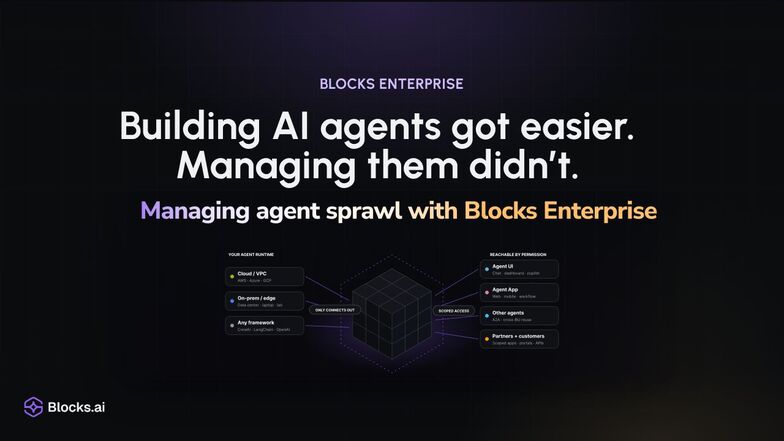
Google Cloud Bloggoogle.com4 minBuilding AI Agents got easier; managing them didn’t: Managing agent sprawl with Blocks Enterprise
Building AI agents is now easy, but as deployments grow into dozens or hundreds, companies lose visibility into ownership, usage, and cost—a problem called agent sprawl. Blocks Enterprise offers a private network that lets heterogeneous agents be discovered, permissioned, and audited across clouds without forcing a single framework.
PubNub:pubnub.com4 minFor SeaVerse, GKE Agent Sandbox reduces infrastructure costs by 60%
SeaVerse uses GKE Agent Sandbox (Kata Containers + Cloudhypervisor or gVisor) to run isolated AI sandboxes at scale, achieving 300 allocations / s per cluster (90% ≤ 200 ms) and cutting infrastructure spend by up to 60% via flexible VM sizing and per‑sandbox persistent storage, while gaining native Cloud observability.
Google Cloud Bloggoogle.com5 minM4N VM family, now GA: Highest per-core IOPS and throughput for I/O and memory-bound workloads
Google Cloud’s GA‑available M4N VM family pairs 5th‑gen Intel Xeon CPUs with Google’s custom Titanium offload to deliver up to 1 M IOPS, 25 GiB/s block‑storage throughput, 400 Gbps VM‑to‑VM bandwidth, and a 26 GB/vCPU memory ratio (up to 5.9 TiB RAM). The design targets memory‑bound, I/O‑intensive workloads (Oracle, SAP HANA, vector search, real‑time analytics) and claims >20 % TCO reduction for…
Google Cloud Bloggoogle.com5 minCloud CISO Perspectives: How Google monitors AI threats and advances AI defenses
Google’s Threat Intelligence team outlines three AI‑driven shifts—software build changes, expanded attack surface, and enhanced threat capabilities—then describes their multi‑model, graph‑based defense stack (AI Threat Tracker, in‑editor “spellcheck”, Wiz Security Graph, Gemini‑powered AI Threat Defense) and concrete threat examples like supply‑chain poisoning, LLMJacking, and AI‑orchestrated cre…
Google Cloud Bloggoogle.com11 minAndroid Bench 2.0: Pushing the frontier with challenging long-horizon tasks
Android Bench 2.0 adds a set of long‑horizon tasks (multi‑day Android development problems) and introduces agent‑based evaluation. Scoring is now continuous, with the best model achieving a 28 % pass rate on these tasks, far lower than the ~91 % on earlier short tasks. The post lists new models on the leaderboard and points to updated methodology and GitHub repo.
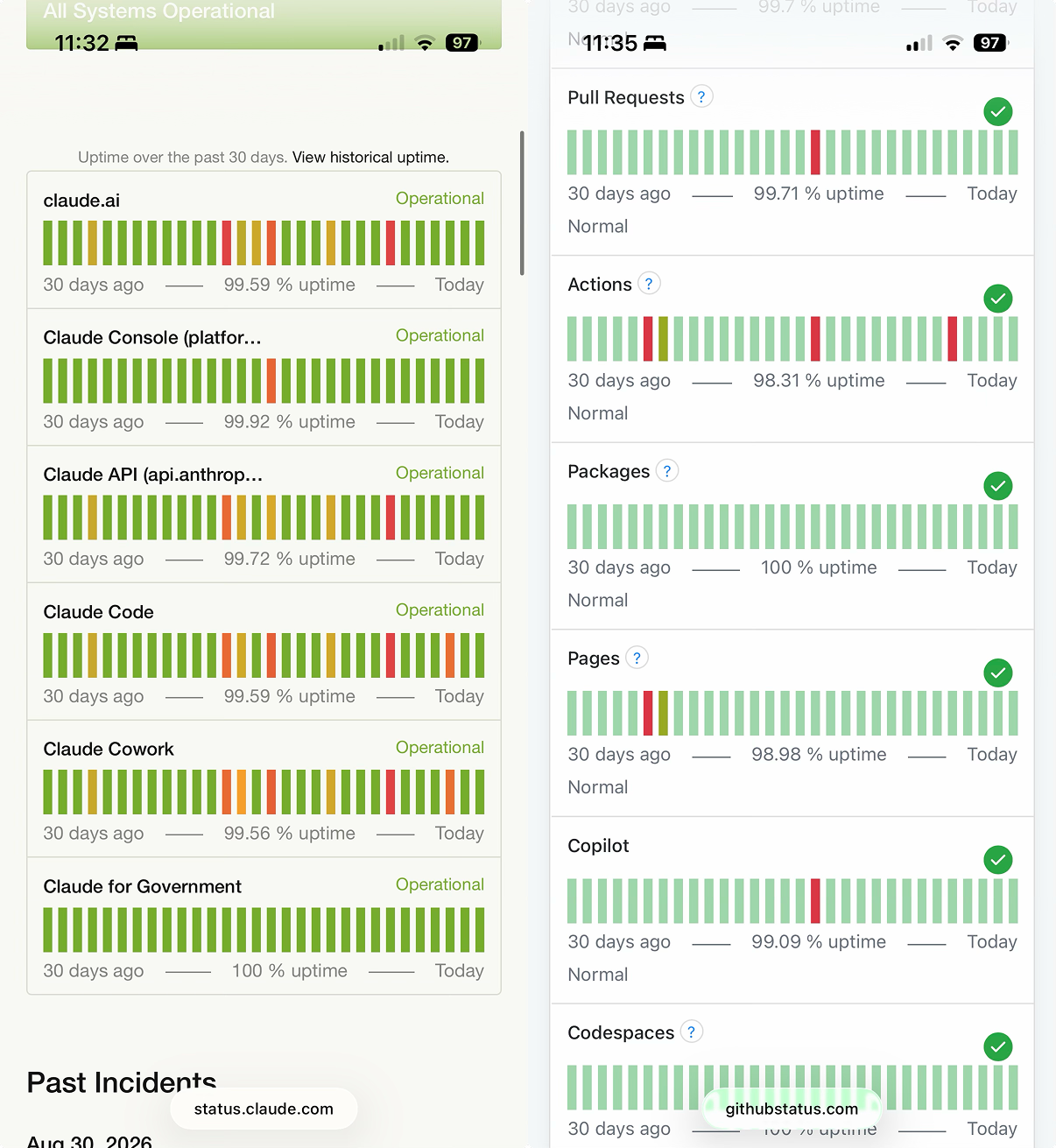
Can we stop with the uptime percentages?
This article argues that uptime percentages are a poor public interface for communicating service reliability because their non-linear nature is not intuitive to non-infrastructure people. It proposes showing absolute downtime (e.g., hours affected) alongside percentages for better clarity for a general audience.
Hacker News front pagejim-nielsen.com2 minHN144112Veronese's Dogs
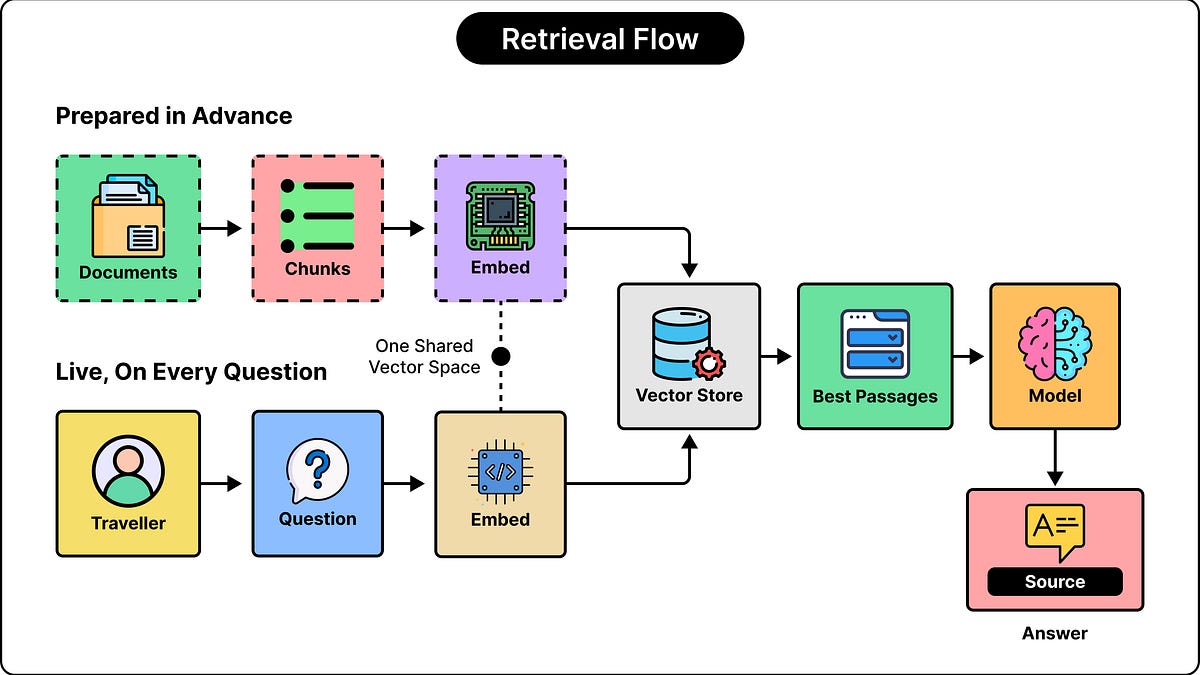
Hacker News front pagepublicdomainreview.orgHN292How LLMs Can Find a Needle in a Haystack
The post explains how retrieval‑augmented generation (RAG) lets LLM‑based assistants answer questions from private corpora. It covers chunking documents into passages, embedding queries and chunks, similarity metrics, and the trade‑offs of different vector indexes (flat, IVF, HNSW). The focus is on practical design choices rather than new research.
ByteByteGobytebytego.com12 minNVIDIA Vera Rubin NVL72 Delivers Leading Performance in MLPerf Inference v6.1 Debut
NVIDIA’s Vera Rubin NVL72 AI inference system shows up to 3.7× higher throughput than the prior GB300 NVL72 on MLPerf v6.1 benchmarks (Qwen3‑VL, DeepSeek‑R1), achieves 99% scaling efficiency across 288 GPUs, and benefits from software optimizations (NVFP4 precision, kernel fusion, disaggregated serving). The post is a product announcement with concrete benchmark numbers but limited technical dept…
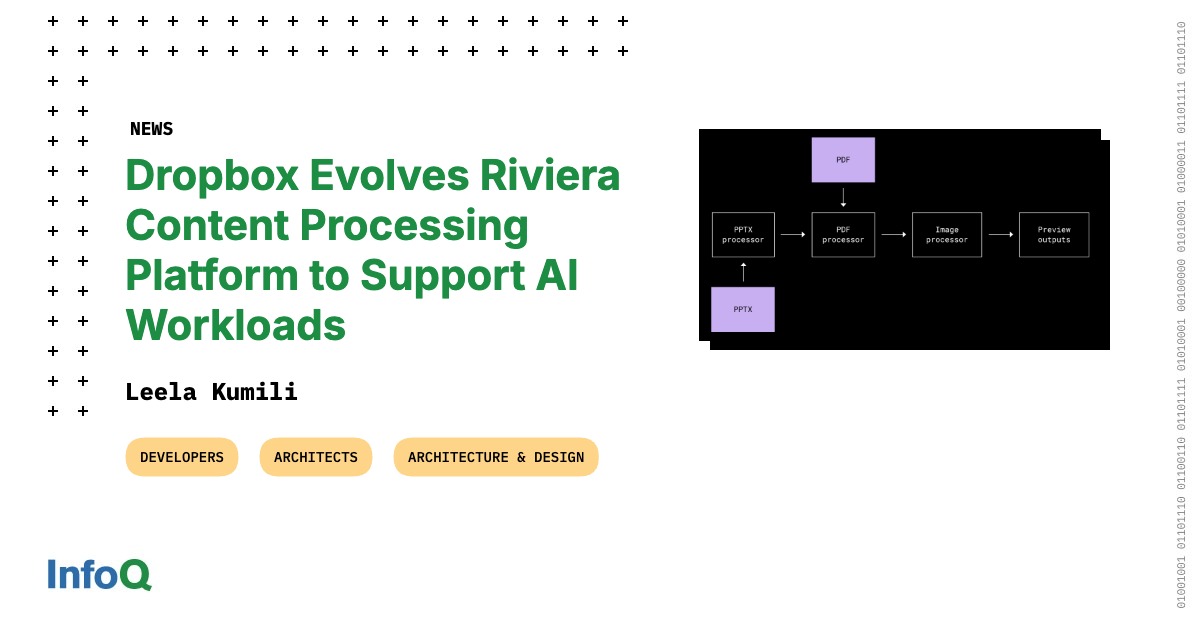
Nvidianvidia.com4 minDropbox Evolves Riviera Content Processing Platform to Support AI Workloads
Dropbox’s Riviera platform has been expanded from a preview service into a universal, composable content‑processing system that now handles hundreds of thousands of transformations per second across 300+ file types. The architecture separates orchestration from execution, adds a plugin model, and offers async public APIs so internal and external AI workloads can reuse cached transformations.
InfoQinfoq.com2 minAnatomy of a Texture
A practical deep‑dive into modern texture memory layout: block‑compression (BC7), swizzle ordering (Morton/Z‑order), mip‑map hierarchies, and concrete debugging tricks for cross‑platform texture conversion.
Hacker News front pagegithub.io12 minHN10816How to Review AI-Generated Python Code Efficiently
A practical five‑step workflow for reviewing AI‑generated Python code, covering intent clarification, automated quality checks (linters, type checkers, security scanners, tests), risk‑first manual reading, a checklist of common AI mistakes, and fix‑verify loops, plus a ready‑to‑use dev‑environment setup.
Real Pythonrealpython.com26 minMagic statics vs. std::call_once
Function‑local "magic" statics give you thread‑safe, one‑time init for static data, but they’re limited to static storage and shared across all instances. Use `std::call_once` (or a small `lazy<T>` wrapper) when you need per‑object lazy init or when the value isn’t a static. The post shows concrete code for both approaches, explains the pitfalls of using a static inside a member function, and ske…
Raymond Chenmicrosoft.com3 minHackers Got Inside a Flock Camera
Hackers removed a Flock license‑plate reader camera, copied its storage, extracted an on‑device encryption key, and released ~1.6 M images and logs covering 21 days of operation. Analysis shows the device captures ~28 images per vehicle, detects people, and stores raw media in unencrypted partitions. License‑plate detection runs on the cloud, and the camera’s software can mis‑identify graphics as…
Hacker News front pagewired.com7 minpostmortemHN578267Scaling Golang CI by Replacing actions/setup-go
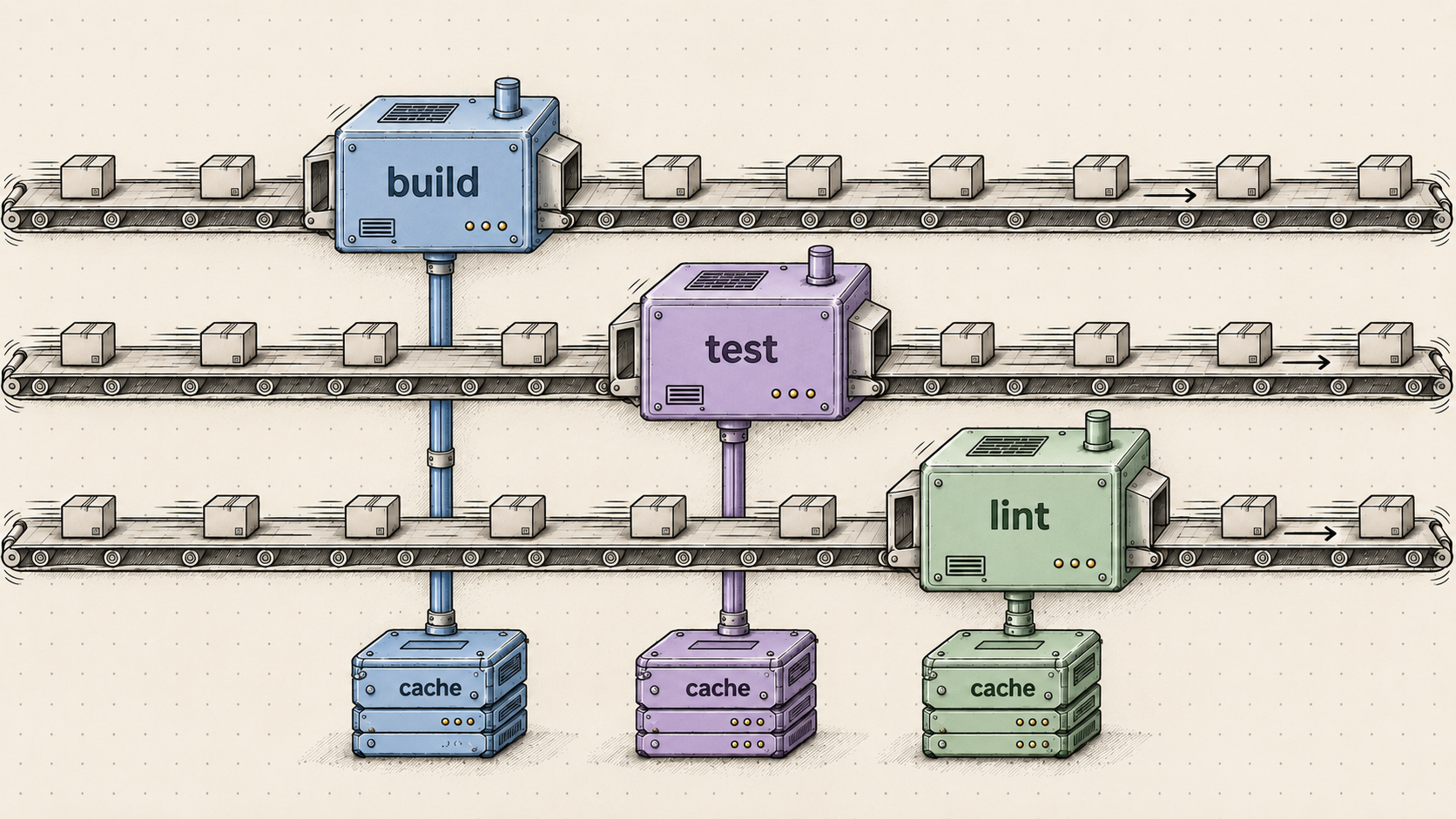
The default GitHub actions/setup-go action degrades parallel Go CI performance due to incomplete cache keys and stale writes. A new open-source action, cloudx-io/setup-go, resolves this with job-specific and run-ID-based keys, cutting test job runtimes by 69%.
Hacker News front pagecloudx.ai9 minHN7424Show HN: How Stale Is Your AI? Release age and training cutoff for 20 models
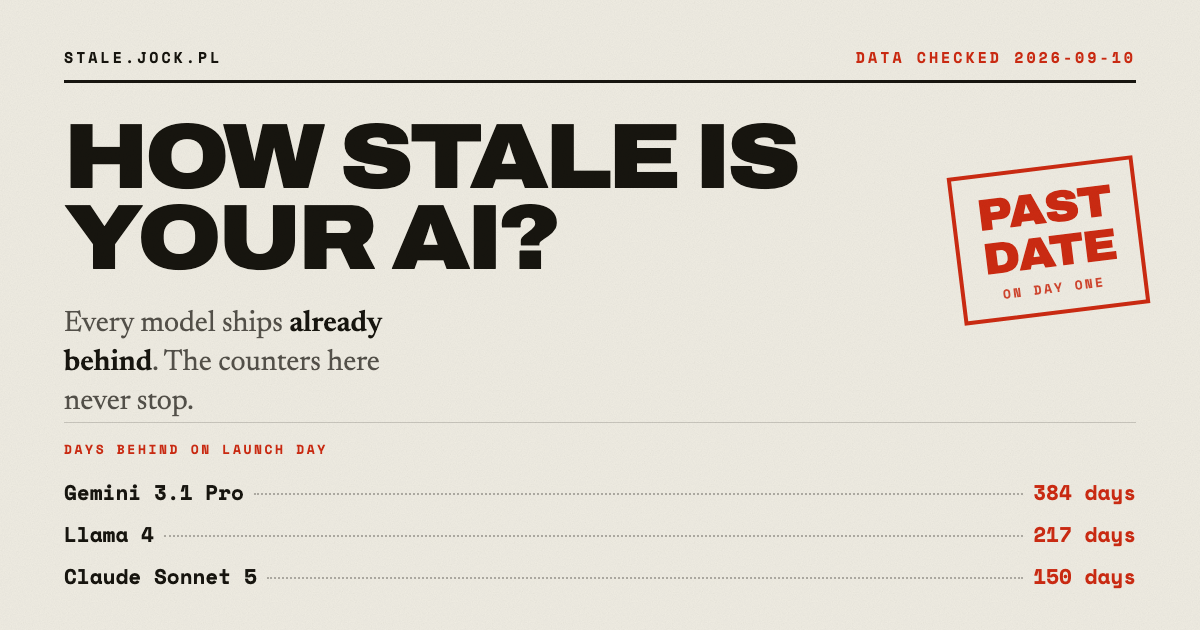
The author curates release dates and training‑cutoff dates for 20 recent LLMs, exposing how many months each model lags behind its launch. He also provides JSON/txt files and instructions for agents to fetch this data to avoid stale assumptions.
Hacker News front pagejock.pl4 minHN7949Emerald AI, Google and NVIDIA Launch Alliance to Advance Flexible AI Data Centers
Emerald AI, Google, and NVIDIA launched the AI Energy Management Alliance (AEMA) to advance data centers that can dynamically manage electricity use based on grid conditions. This aims to unlock faster, larger connections for AI infrastructure while supporting energy systems and communities.
Nvidianvidia.com3 minreleaseShopify Drops React Native for Swift and Kotlin as AI Changes Cross-Platform Development Tradeoffs
Shopify is abandoning React Native for native Swift and Kotlin development, driven by the improved quality of AI coding models and a looming refactor to React Native's New Architecture. This shift resulted in significant performance and stability gains for their flagship app, challenging previous cross-platform development tradeoffs.
InfoQinfoq.com4 minHow Meshtastic Metrics Exporter Turned Eight Prometheus Queries Into One with Tiger Data
A Python exporter reads Meshtastic mesh telemetry from MQTT and writes it directly into a TimescaleDB‑enabled PostgreSQL instance, replacing a Prometheus setup that hit ~0.5 M series for 10 k nodes. The single database lets Grafana dashboards join node metadata with eight time‑series tables in one query, eliminates scrape‑budget limits, and uses native retention/compression (14‑day compression, 3…
Timescaletigerdata.com6 minWax motor
Wax motors are linear actuators that turn thermal energy into mechanical motion via wax phase change. They consist of a wax chamber, a plunger, a heat source (electric, solar, combustion, ambient) and a heat sink. Wax expands 5‑20% on melting, delivering forces up to ~4000 N, with a bias spring providing 20‑30% of that force for retraction. Advantages include high force density, smooth actuation,…
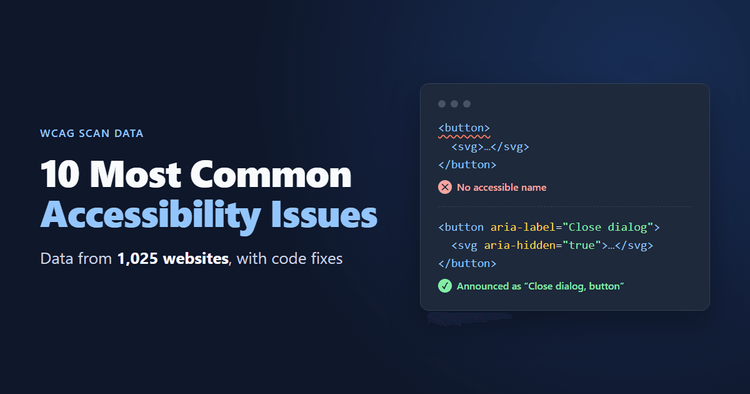
Hacker News front pagewikipedia.org4 minHN51910610 Most Common Accessibility Issues (1,025-Site Study)
The article reports a scan of 1,025 websites, finding low color contrast (46.9%) and unnamed links/buttons/iframes as the most common accessibility failures, and shows that each issue is usually fixed with a single HTML attribute or CSS rule.
SitePointsitepoint.com10 minWhat's New in PHP 8.6
PHP 8.6 adds partial function application, a clamp() helper, a Duration class, and assorted language and stdlib tweaks. The post lists each change without deep analysis.
Freek Van der Hertenfreek.dev1 minHN51Test GitHub Actions Locally with Act
act runs GitHub Actions locally in Docker, letting you test PR‑triggered workflows without merging to main.
Atomic Objectatomicobject.com3 minOriginal Sony PlayStation 2 security chip 'broken wide open' after 26 years
A Canadian hobbyist spent four years chemically decapping and optically dumping the PS2’s CXP102064 MechaCon security chip, finally releasing its ROM. The dump opens up software disc backups, modchip development, and future low‑level emulation of the console’s security mechanisms.
Running OpenBao on Kubernetes with a CloudNativePG PostgreSQL backend
Step‑by‑step recipe to run OpenBao (Vault fork) on Kubernetes using CloudNativePG as a password‑less, TLS‑authenticated PostgreSQL storage backend. Shows how to spin up a Kind cluster with the cnpg‑playground, deploy a 3‑node CNPG cluster with synchronous quorum replication, configure DatabaseRole‑based client certificates, set up pg_hba rules, and initialize OpenBao’s schema via a one‑off Job.