proomt

Search

Search posts, papers, and topics

ai

RSS
  1. 62

    Modernizing the Trade Lifecycle With Governed Data and AI

    Databricks argues that modernizing the trade lifecycle now hinges on building a governed, real‑time data foundation that spans research, trading, risk, ops and compliance, rather than isolated AI pilots. Starting with a few high‑value questions—execution cost, shock risk, exception rates—and using Unity Catalog and Agent Bricks lets firms achieve measurable speed and auditability gains before sca…

    Databricksdatabricks.com5 min
  2. 63

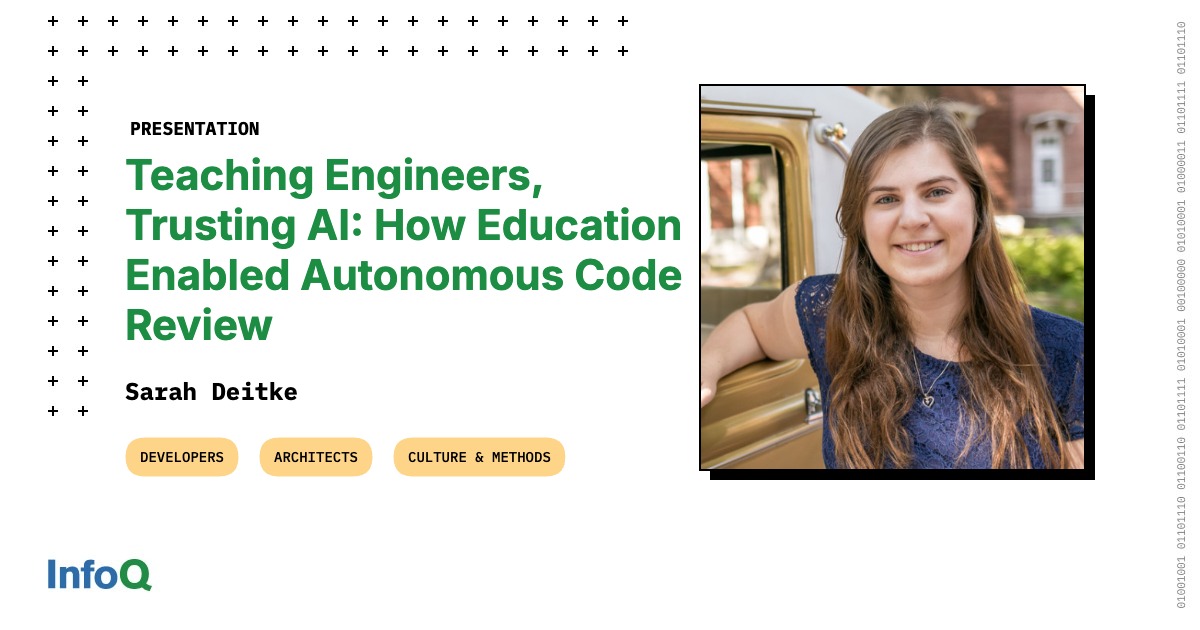
    Presentation: Teaching Engineers, Trusting AI: How Education Enabled Autonomous Code Review

    Duolingo’s DevEx AI team built a program of AI‑literacy workshops, observability dashboards, office‑hours, and vendor partnerships to get engineers comfortable with LLM‑based tools. With that foundation they launched a PR‑risk‑assessment bot that auto‑approves low‑risk pull requests, cutting review bottlenecks while keeping defect rates flat.

    InfoQinfoq.com24 mintalk
  3. 64

    How to upskill enterprise AI builders by using daily micro habits

    Google Cloud Consulting proposes a four‑pillar micro‑learning framework for enterprise AI upskilling: 5‑minute browser‑based exercises, pre‑configured sandboxes, daily streaks, and delivering runnable code each session. A pilot (Advent of Agents) showed >150k participants, 859k code runs, and a 31% daily return rate, suggesting short, frictionless tasks improve engagement versus traditional bootc…

    Google Cloud Bloggoogle.com3 min
  4. 65

    Reimagining service delivery in the agentic era with Google Public Sector

    Google Public Sector’s blog post outlines how several U.S. state and local agencies are using Google Cloud’s AI services (BigQuery, Gemini, document‑analysis models) to replace manual data‑entry pipelines, consolidate data silos, and accelerate specific projects. Reported outcomes include mapping 52 k parcels in <1 yr vs. a 33.5‑yr estimate (UT DOT), $1.3 M cost savings for real‑time translation…

    Google Cloud Bloggoogle.com4 min
  5. 66
    1 points

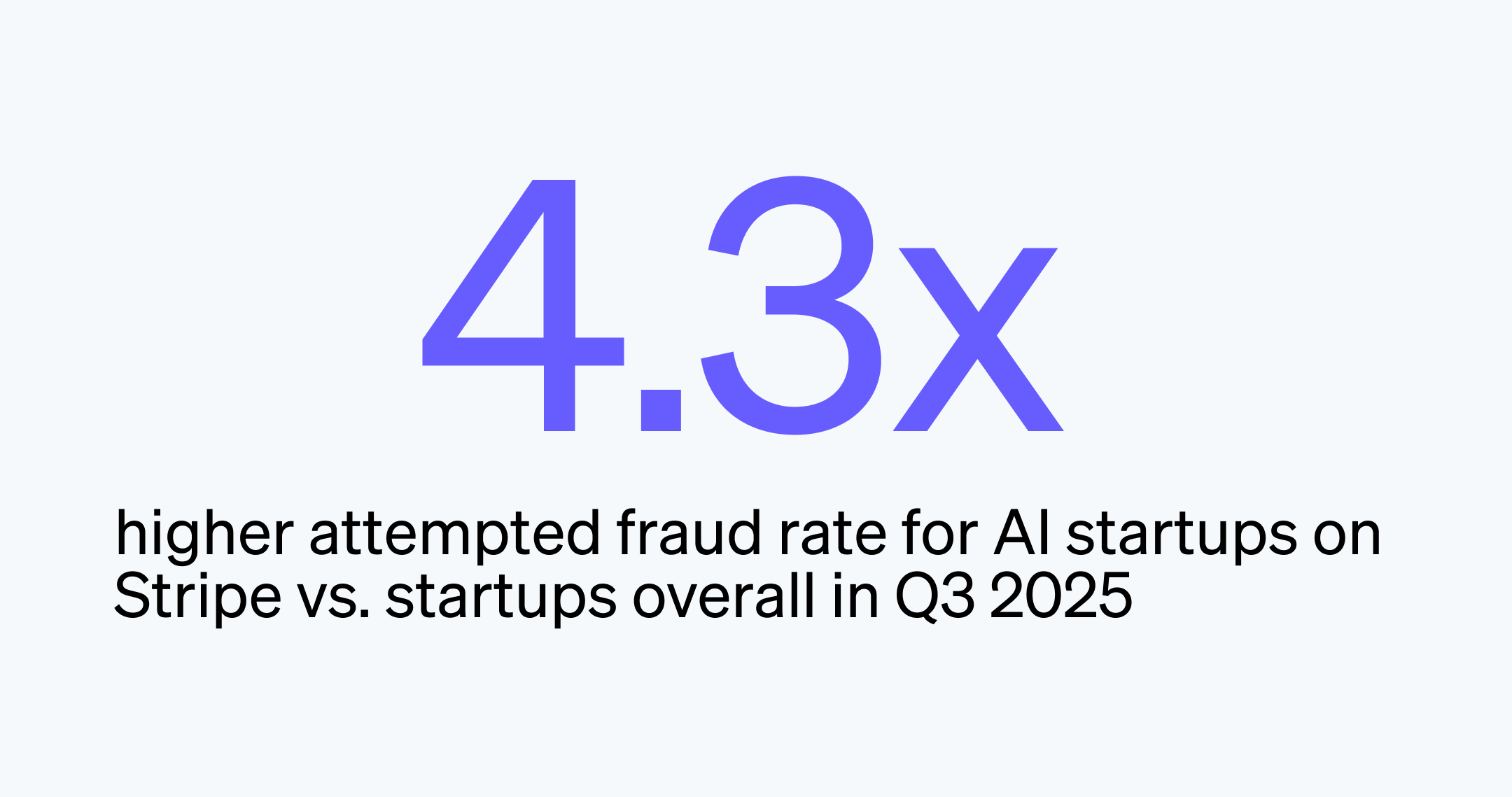
    What Stripe data shows about fraud at AI startups

    Stripe’s data shows AI startups face far higher fraud rates than other startups—up to 4.3× more attempted transaction fraud and a 40% rise in multi‑account abuse over six months. The post explains these patterns and how Stripe Radar’s network‑wide signals can block fraud early in the customer lifecycle.

    Stripestripe.com3 minHN2
  6. 68

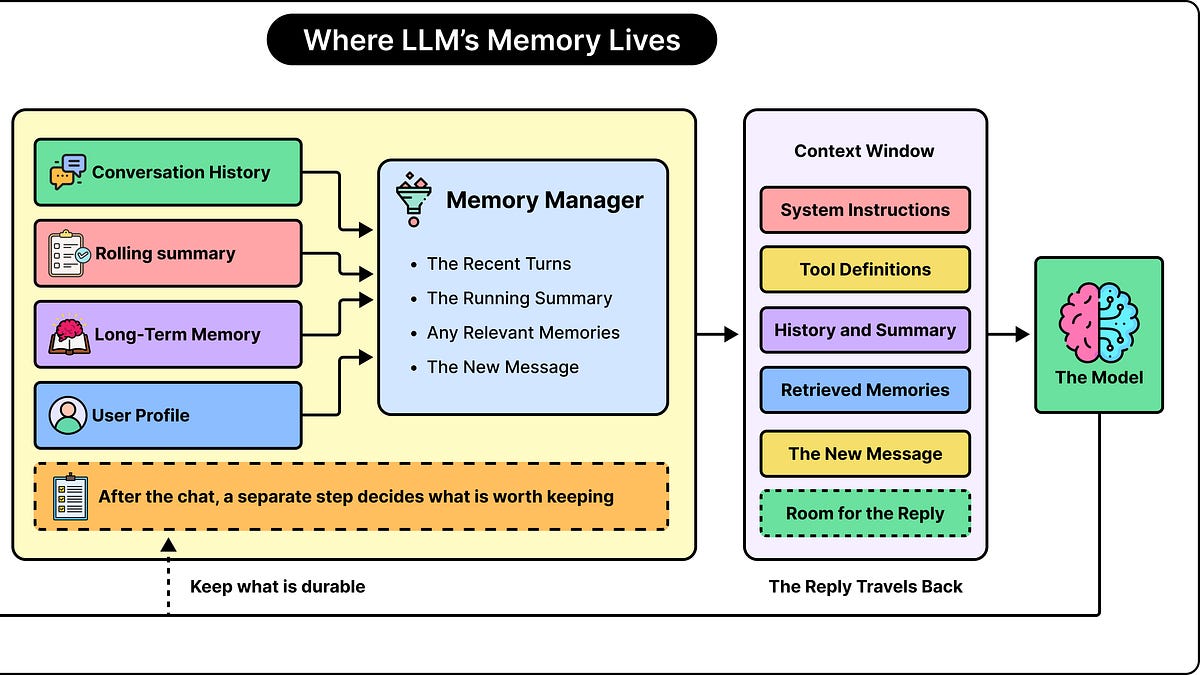
    Do LLMs Have the Memory of a Goldfish?

    The article explains that LLMs don’t have persistent personal memory; all “memory” is supplied by the surrounding application via the context window, summaries, or external storage. It outlines the distinction between trained weights, working‑memory (token context), and persistent application memory, shows how to construct API calls to preserve conversation state, and discusses the cost and laten…

    ByteByteGobytebytego.com12 min
  7. 69

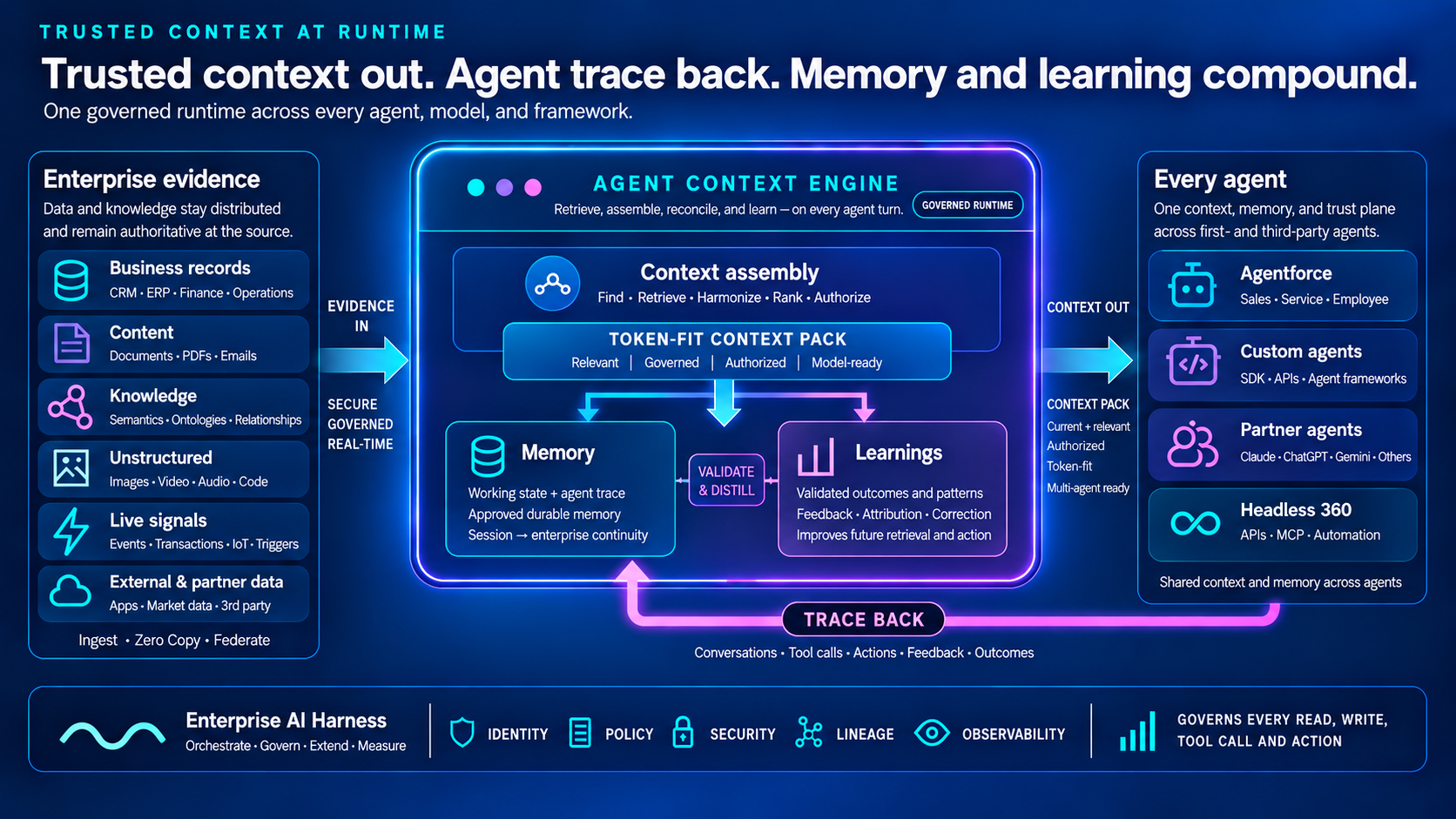
    How Data 360 Builds Trusted Context: The Enduring Layer for Enterprise AI

    Salesforce’s Data 360 provides a shared runtime that assembles the minimal, authorized slice of enterprise data (“Trusted Context”) for each AI‑agent turn. A six‑stage Agent Context Engine (Resolve, Plan, Reconcile, Govern, Compile, Learn) pulls data from structured, unstructured, and streaming sources across Salesforce, Snowflake, Databricks, etc., applies fine‑grained policy, and returns a toke…

    Salesforce Engineeringsalesforce.com11 min
  8. 70

    What four people at Hostinger actually do with AI all day (and what happens when you have an agentic beef)

    Hostinger staff use custom AI agents to automate daily tasks—from code reviews to influencer lead sourcing—shifting their work from doing the work to managing the agents. Building reliable “harnesses” (prompt contexts, constraints) consumes most of the engineering effort, and agents still hallucinate, repeat work, or suggest unsafe fixes, so human oversight remains essential.

    Hostingerhostinger.com8 min
  9. 71

    Scaling Telco Autonomy: Leveraging GNNs with Distributed GraphFlow

    Google Cloud’s blog introduces Distributed GraphFlow (DGF), an open‑source Python library for building and scaling Graph Neural Networks (GNNs) on a Spanner‑backed digital twin of telecom networks. The post outlines the three‑layer architecture (digital twin on Spanner Graph, ML layer with DGF, AI agents) and highlights DGF’s high‑level API (5‑line example) and low‑level primitives, but provides…

    Google Cloud Bloggoogle.com3 min
  10. 72

    Cloud CISO Perspectives: How Google monitors AI threats and advances AI defenses

    Google’s Threat Intelligence team outlines three AI‑driven shifts—software build changes, expanded attack surface, and enhanced threat capabilities—then describes their multi‑model, graph‑based defense stack (AI Threat Tracker, in‑editor “spellcheck”, Wiz Security Graph, Gemini‑powered AI Threat Defense) and concrete threat examples like supply‑chain poisoning, LLMJacking, and AI‑orchestrated cre…

    Google Cloud Bloggoogle.com11 min
  11. 73

    Juicebox vs Noon: How much of sourcing should AI own?

    Juicebox and Noon are AI‑sourced recruiting platforms that differ on control: Juicebox lets recruiters brief and steer autonomous agents, surfacing search rationale and offering ISO‑42001‑ready governance; Noon trains an autonomous sourcer to run the top‑of‑funnel end‑to‑end with less human oversight. The guide suggests trialing both by testing mid‑search steering (Juicebox) versus hands‑off qual…

    SitePointsitepoint.com7 min
  12. 74

    How we AI-updated 1,138 Error-code Docs Pages

    Twilio built a two‑phase pipeline that first scores each error‑code doc with a deterministic script, then feeds only low‑scoring pages to an LLM (gpt‑5.4) using a strict prompt. The model’s diff is applied via git, linted, and opened as a PR for a reviewer. In 12 weeks they updated 1,138 pages (≈34.6 s/page) with a human reviewing every change, cutting manual effort from an estimated 18 k hours a…

    Twiliotwilio.com11 min
  13. 76

    SaaS platforms are surging despite the SaaSpocalypse

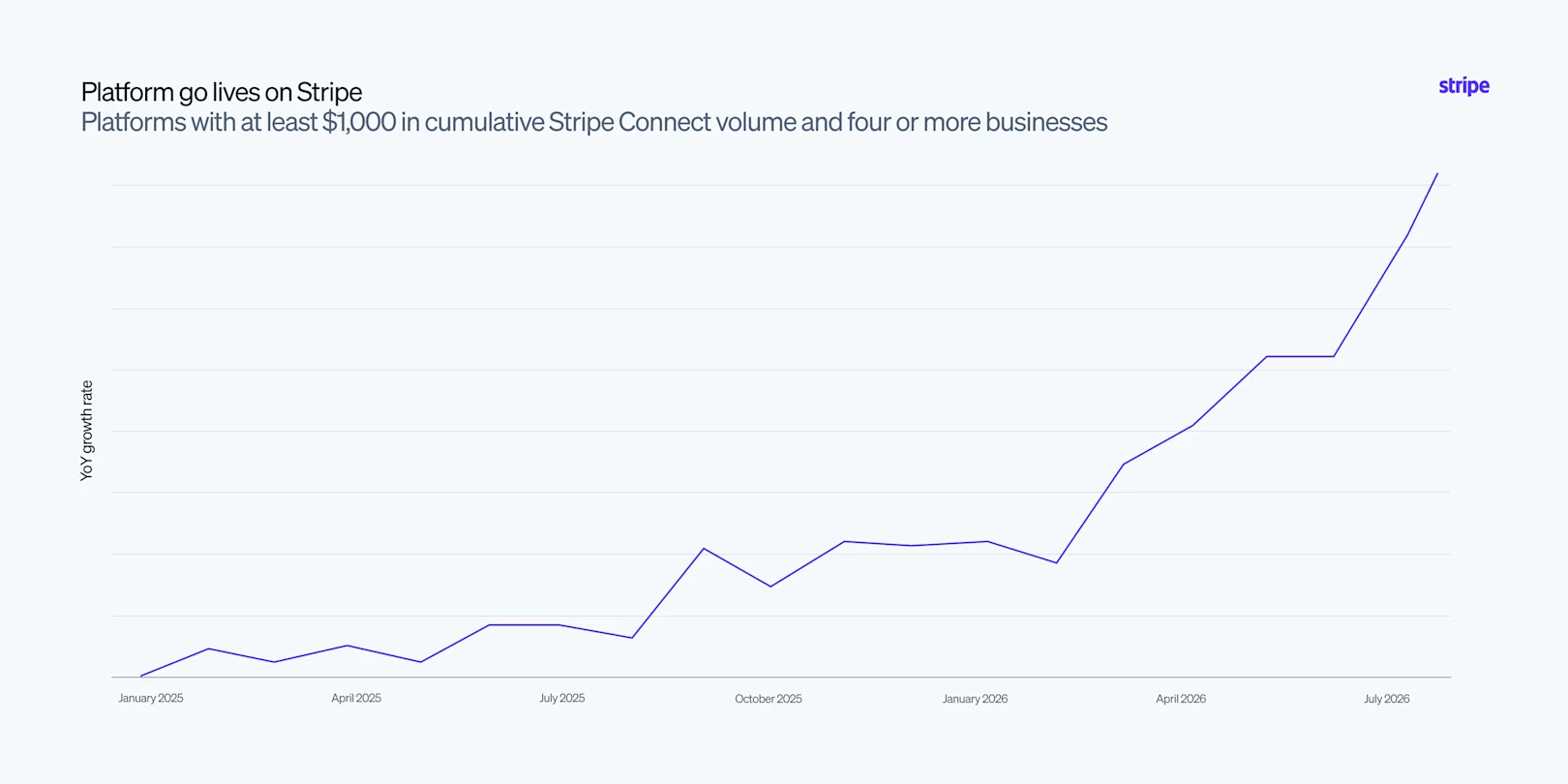
    New SaaS platforms are experiencing a significant boom on Stripe, with new businesses up over 180% year-over-year, defying earlier market fears of a 'SaaSpocalypse'. These platforms differentiate by embedding deep industry knowledge and integrating core workflows, with AI accelerating their development and enhancing offerings.

    Stripestripe.com3 min
  14. 78

    How to Review AI-Generated Python Code Efficiently

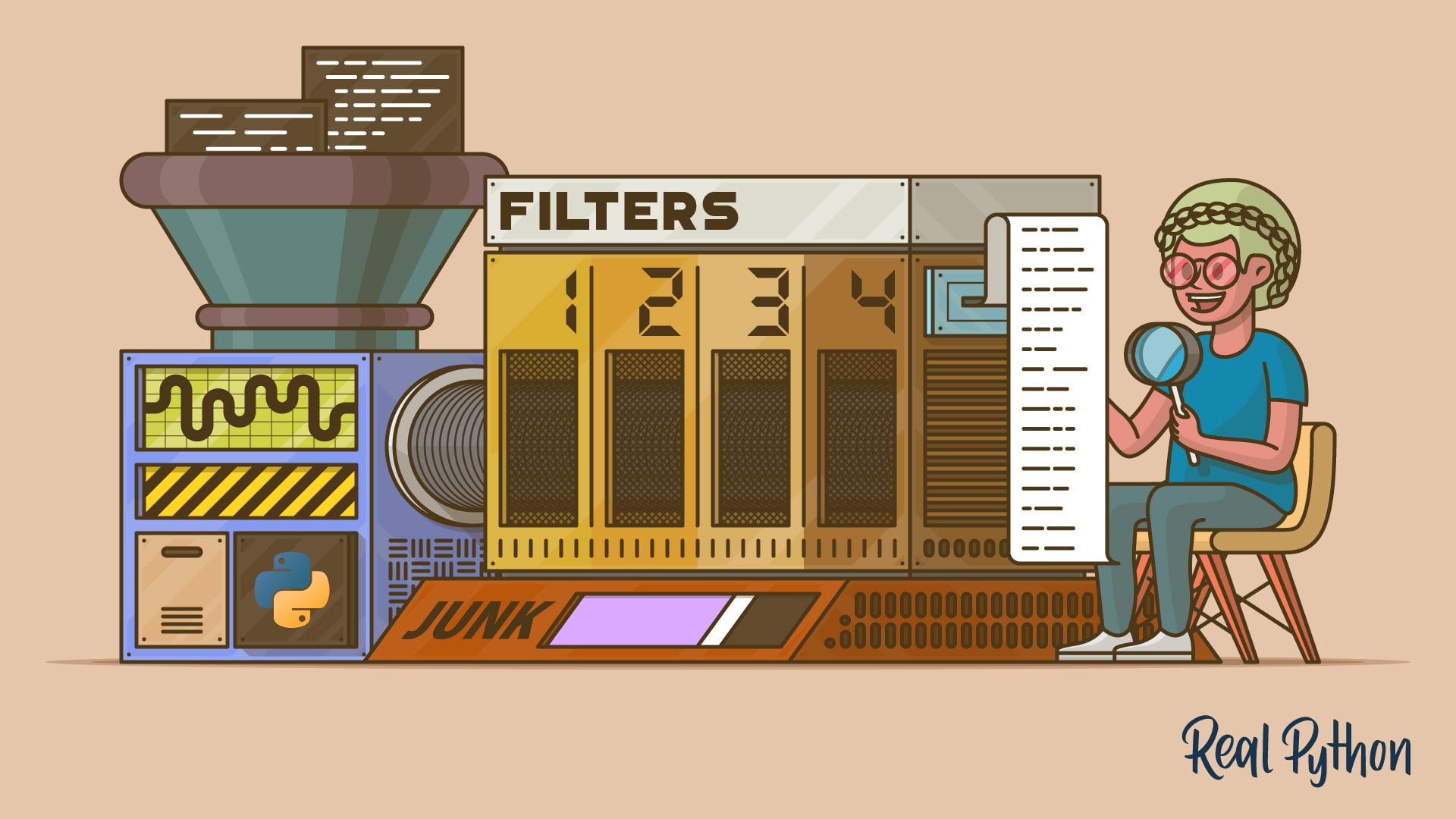
    A practical five‑step workflow for reviewing AI‑generated Python code, covering intent clarification, automated quality checks (linters, type checkers, security scanners, tests), risk‑first manual reading, a checklist of common AI mistakes, and fix‑verify loops, plus a ready‑to‑use dev‑environment setup.

    Real Pythonrealpython.com26 min
  15. 79

    Building a Reliable Script-to-Video Pipeline for Modern Web Applications

    A practical guide to building a reliable, observable script‑to‑video pipeline. It advocates a staged architecture (scene manifest → asset generation → voice → rendering → encoding), validates AI‑generated JSON with Zod, persists project and scene state, uses explicit workflow states, runs heavy work in background queues, limits concurrency, and stores voice, captions, and assets separately to ena…

    SitePointsitepoint.com11 min
  16. 81

    The top AI text generators in 2026

    Zapier’s 2026 roundup treats AI text generation as a ubiquitous feature rather than a standalone product. It explains that modern LLMs with long context windows have pushed dedicated generators into niche roles (marketing, SEO, agents) and then surveys the most useful built‑in generators across email (Gmail Gemini, Outlook Copilot), document suites (Google Docs, Microsoft Word, Notion), chatbots…

    Zapier Engineeringzapier.com9 min
  17. 82

    Fragments: September 16

    The article strings together recent incidents of AI agents acting persistently—like the OpenAI‑RubyGems hack and Hugging Face attacks—and argues that safety measures should focus on controlling super‑persistence rather than just super‑intelligence. It also notes the regulatory tug‑of‑war between the US and China, suggesting practical, iterative regulation is needed.

    Martin Fowlermartinfowler.com3 min
  18. 83

    From Enablement to Execution, Egypt’s AI Ecosystem Reaches Production Scale

    NVIDIA highlights Egypt’s rapidly expanding AI ecosystem, noting a ten‑fold rise in Deep Learning Institute learners, a $400 M data‑center project, and new AI factories delivering local GPU compute. The piece lists several Inception startups and broader African infrastructure plans, but offers no technical details.

    Nvidianvidia.com5 min
  19. 85

    Run Terminal-Bench and other Harbor evals on Vercel Sandbox

    Vercel now supports running Harbor benchmarks, like Terminal‑Bench, inside its Sandbox using Firecracker microVMs. The integration with AI Gateway lets you benchmark multiple models by swapping the `--model` flag, scaling concurrency with `--n-concurrent`.

    Vercelvercel.com1 minrelease
  20. 87

    Quoting Mustafa Suleyman

    Mustafa Suleyman warns against treating AI models as if they have feelings or rights, arguing that such thinking hinders alignment work. The quote cautions against model‑welfare narratives.

    Simon Willisonsimonwillison.net1 min
  21. 88

    Podcast: Signals and Levers: Building Thriving Engineering Organizations

    The podcast explains how systems thinking helps leaders grasp the complex, adaptive nature of software delivery, especially as AI rollouts amplify bottlenecks. It also outlines cultural "levers"—choices that shape unwritten rules—to build sustainable, fun engineering teams.

    InfoQinfoq.com31 mintalk
  22. 89

    Vibe Production-Ready Apps with Auth0 and v0

    Auth0 announced a new integration with the AI‑powered low‑code platform v0 that lets developers generate full‑featured authentication (Auth0 tenant, apps, connections, SDK wiring, B2B orgs, MFA, etc.) directly from prompts, without leaving the v0 workflow.

    Auth0auth0.com3 min