proomt

Search

Search posts, papers, and topics

architecture

RSS
  1. 61

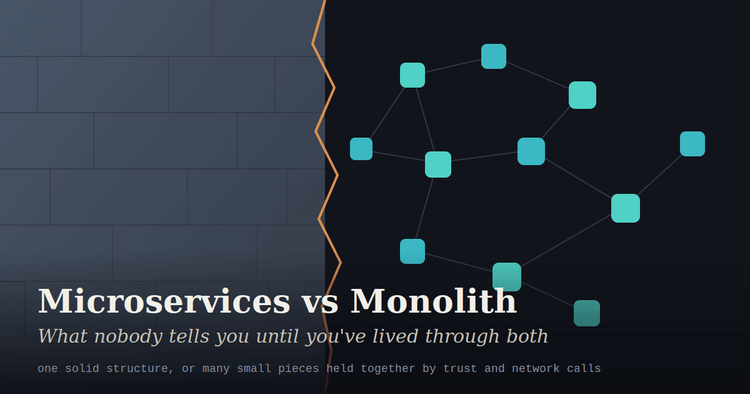
    Microservices vs Monolithic Architecture: What Nobody Tells You Until You've Lived Through Both

    The article walks through the hidden costs of both monoliths and microservices, showing that the choice isn’t about hype but about concrete trade‑offs like deployment coordination, observability, data consistency, and team structure. It recommends a modular monolith as a pragmatic middle ground when the organization isn’t ready for full service sprawl.

    SitePointsitepoint.com9 min
  2. 63

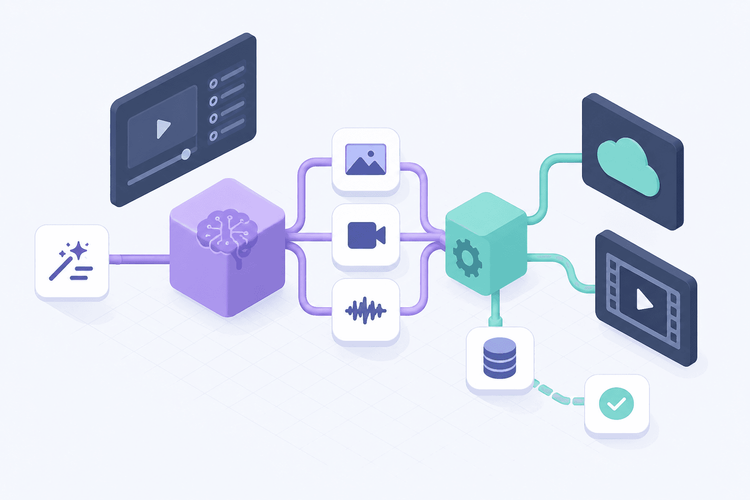
    E-Signature Pricing Models That Bite in Production

    The post shows that e‑signature pricing is an engineering constraint and walks through modeling effective cost per completed envelope, preventing duplicate billing with idempotency, and monitoring usage. It includes a JavaScript cost estimator and practical retry handling advice.

    SitePointsitepoint.com6 min
  3. 65

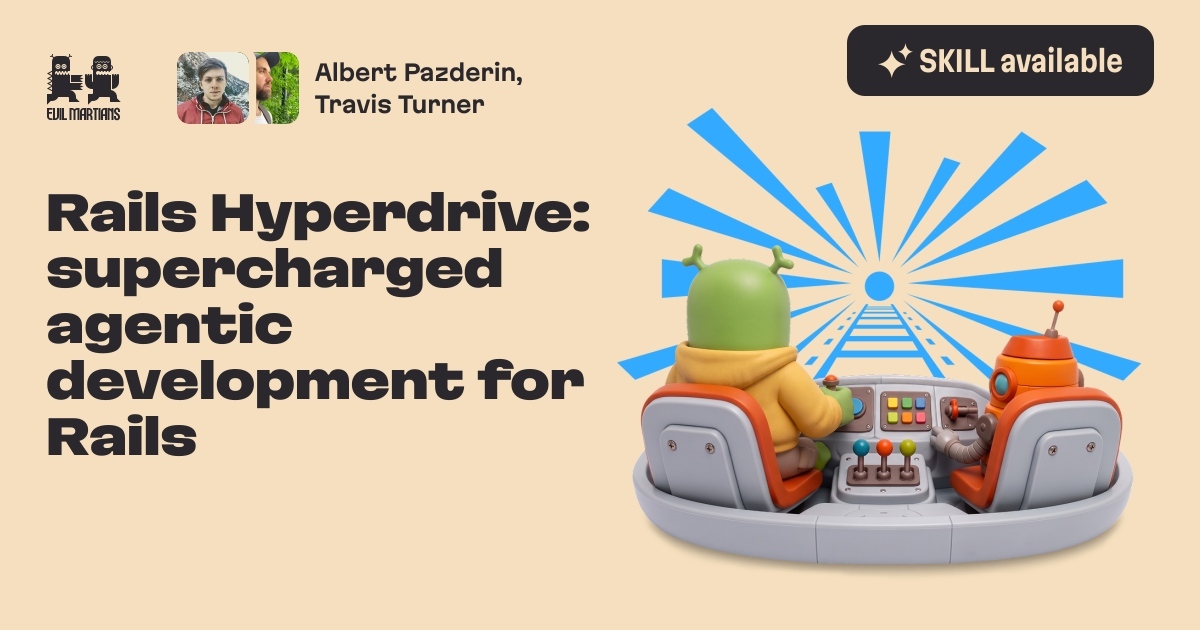
    Rails Hyperdrive: supercharged agentic development for Rails

    Rails Hyperdrive is a development‑only Rails engine that mounts a Model Context Protocol (MCP) server and lets any gem ship agent knowledge (skills, agents, commands, guidelines) as markdown files. The engine adds no knowledge itself; companion gems provide the context‑aware artifacts that agents can query at runtime, avoiding token‑heavy guessing and stale schema reads. Installation is a single…

    Evil Martiansevilmartians.com22 min
  4. 66

    Brownfield Agentic Engineering

    Addy Osmani outlines a pragmatic framework for safely introducing AI‑driven agents into legacy (brownfield) codebases. He proposes zoning code by risk, documenting non‑code knowledge, preserving research in durable memos, building a reusable “harness” of tools and rules, and starting with zero‑risk, characterization‑test‑driven work.

    Addy Osmaniaddyosmani.com13 min
  5. 67

    Why Releasing Software as an Application Beats Deploying Components

    This article argues that independent microservice deployments, while seemingly fast, often lead to complex and fragile releases due to environment drift and implicit dependencies. It advocates for "application-level releasing," where a consistent, validated snapshot of interdependent components is promoted together across environments to restore predictability and stability.

    Codeshipcloudbees.com5 min
  6. 68

    App Intents: One Java Declaration for Siri, Spotlight, and Shortcuts

    Codename One adds @AppIntent annotations that let a static Java method be exposed as a Siri, Spotlight, or Android shortcut. The build‑time processor generates native declarations, a reflection‑free dispatch table, and validates the intent metadata. Handlers can be headless, accept typed parameters, return results, and be invoked internally via Intents.invoke(). Entities enable system‑driven disa…

    CodeName Onecodenameone.com5 min
  7. 69

    The Credentials API in Jenkins

    The post explains the motivation behind Jenkins' Credentials API, recounts early design mistakes (duplicated username/password types, over‑reliance on the type system), introduces the “Oracles of Identity” concept, and shows how credential domains let users declaratively bind credentials to the right services.

    Codeshipcloudbees.com12 min
  8. 70

    No, You're Not Behind. But the Stage 3 Governance Window Is Closing.

    A four‑stage model for adopting agentic AI in software delivery pipelines, warning that Stage 3 (bounded autonomous execution) is arriving faster than governance programs. The post explains the stages, required controls (scoped credentials, fail‑closed defaults, tamper‑evident logs), and uses the OpenClaw incident as a cautionary example.

    Codeshipcloudbees.com9 min
  9. 72

    When should you replace a homegrown feature flag system?

    Homegrown feature flag implementations work for small teams but quickly lack ownership, auditability, and stakeholder access as they scale. When flag count, team size, incidents, or compliance audits make these gaps costly, switch to a purpose‑built feature management platform.

    Codeshipcloudbees.com5 min
  10. 73

    Immutability in PHP Beyond readonly

    The article walks through practical ways to achieve immutability in PHP beyond the built‑in readonly keyword, covering interior mutability, immutable value objects, collections, dates, and cloning. It also shows how to enforce and test these patterns in real codebases.

    Freek Van der Hertenfreek.dev1 min
  11. 74

    Writing the Docs: 2026 Edition

    The post revisits core documentation principles—separating what from how, grounding reference docs in source truth, and continuously improving—and examines how large language models fit into this workflow. It argues that diataxis still guides effective docs and that LLM‑generated drafts must be anchored to machine‑readable ground truth to avoid hallucination.

    Mozilla Automation Teamwrla.ch15 min
  12. 75

    A Polyline Is Not a Route

    Codename One adds a portable routing API (com.codename1.maps.routing) that separates route discovery from map rendering, offering a simple two‑line `showRoute` helper and a full callback‑based flow for custom UI, multiple alternatives, waypoints, and encoded polylines. The default service uses OSRM (no API key), but the design lets you plug any provider or self‑hosted engine via a `RouteService`…

    CodeName Onecodenameone.com4 min
  13. 76

    Auth0 Agent Gateway: The Identity Control Plane for Customer-Facing AI

    Auth0 Agent Gateway is a beta CIAM control plane that lets SaaS teams govern product‑native, customer‑facing AI agents. It adds organization‑aware identity, token‑exchange‑based credential delegation, real‑time policy checks, audit logging and a kill‑switch, aiming to prevent cross‑tenant data leaks and unauthorized tool use.

    Auth0auth0.com6 min
  14. 78

    The Shadow Factory: Why Your CI/CD Sprawl is About to Move Faster Than You Can Think

    The article warns that unchecked CI/CD sprawl— orphaned pipelines, hard‑coded secrets, and permissive runners— creates a hidden attack surface, and that AI‑driven agents will amplify the problem. It recommends a governance layer with real‑time inventory, policy‑as‑code, and AI guardrails to bring the software factory under the same security rigor as production.

    Codeshipcloudbees.com3 min
  15. 79

    Adding the Discord Updates YOU Want to See

    Discord’s latest update rolls out a batch of UI and moderation tweaks driven by community feedback: desktop DM pinning, channel pinning across all servers, audit‑log visibility for non‑members, a dedicated prune permission, role‑duplication shortcut, full‑size profile picture view, always‑visible search pagination, “Friends Since” timestamps, post‑send alt‑text & spoiler tags, bulk‑leave for inac…

    Discorddiscord.com4 min
  16. 80

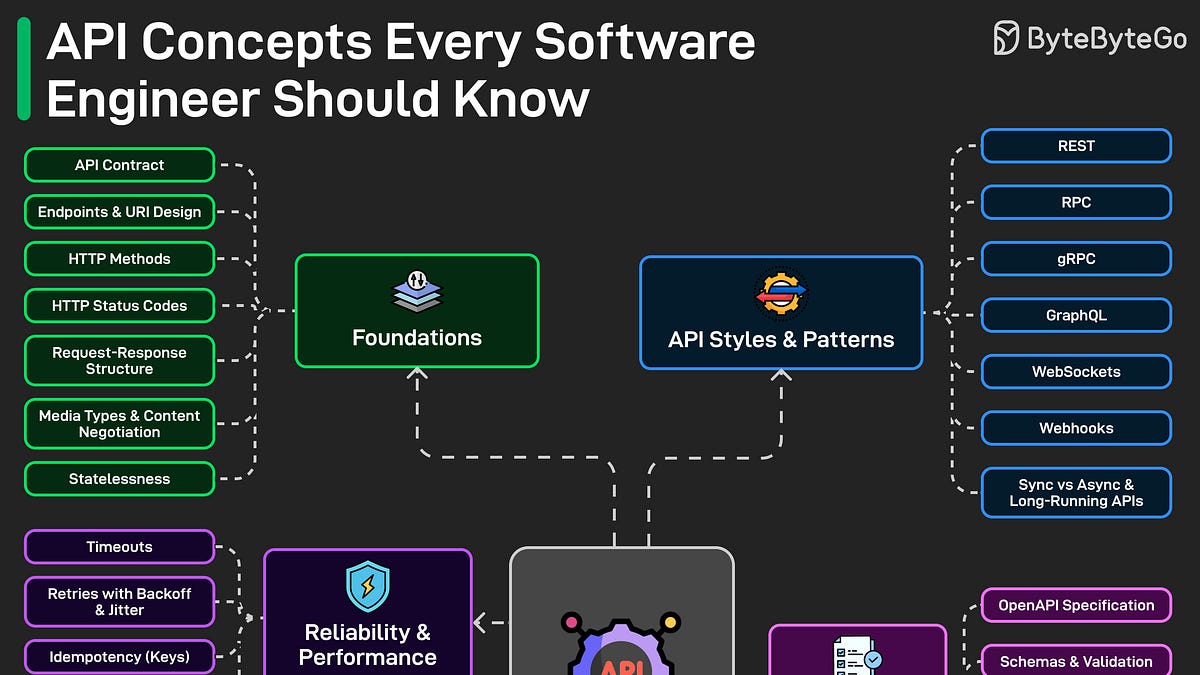
    EP226: API Concepts Every Software Engineer Should Know

    This article outlines essential API design considerations, covering HTTP fundamentals, architectural styles like REST and GraphQL, and critical aspects such as naming, versioning, security, and reliability. It serves as a high-level checklist for engineers designing or consuming APIs.

    ByteByteGobytebytego.com5 min
  17. 81

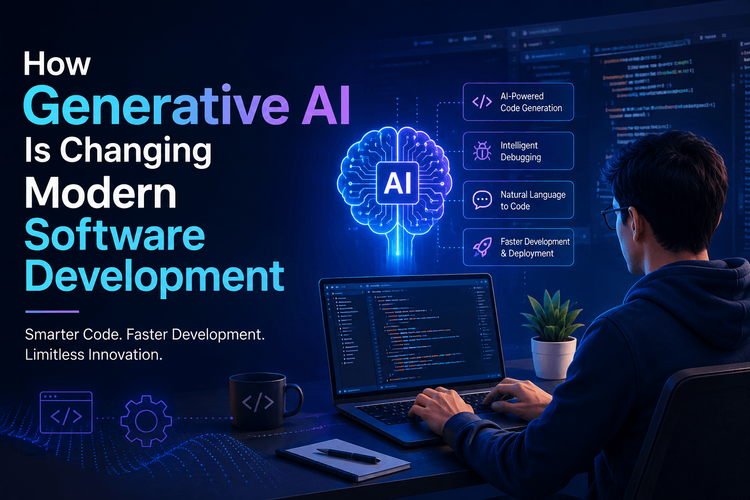
    How Generative AI Is Changing Modern Software Development

    Generative AI tools can assist developers by producing code snippets, tests, documentation, and debugging hints, but their output must be reviewed and validated. Engineers should adopt prompt‑writing skills and maintain core software‑engineering expertise to use AI safely and productively.

    SitePointsitepoint.com4 min