proomt

Search

Search posts, papers, and topics

devops

RSS
  1. 61

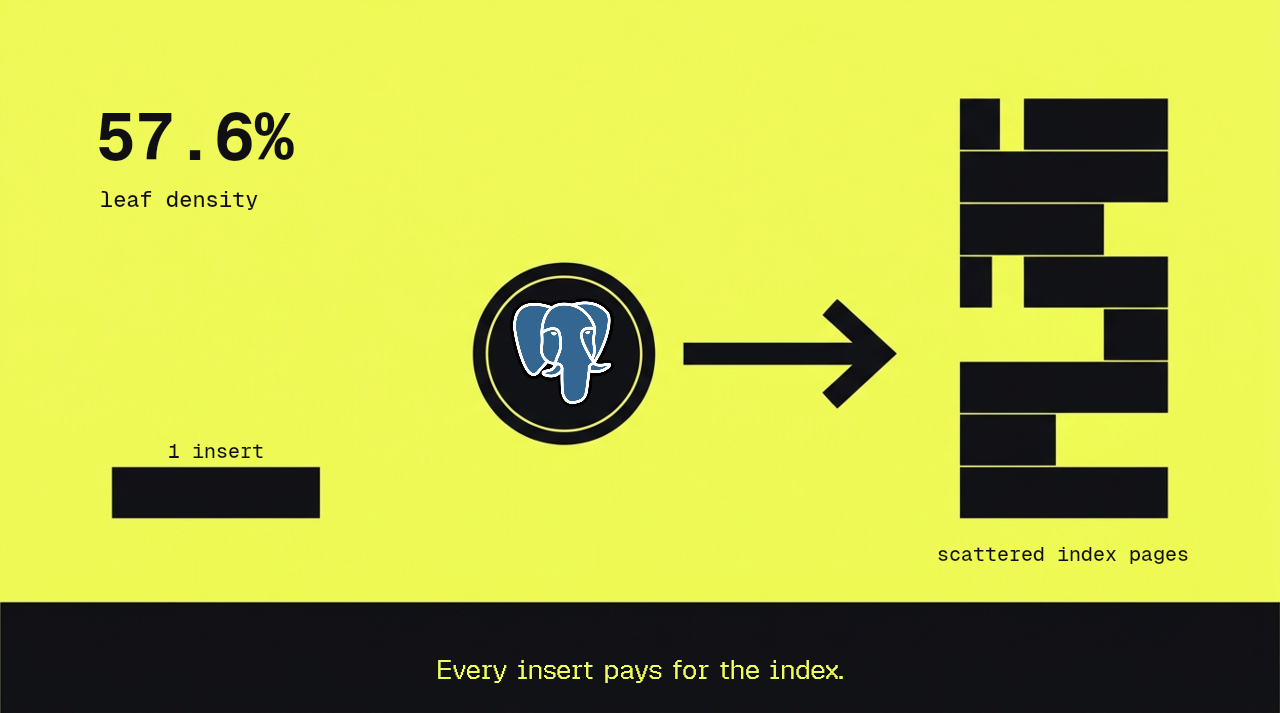
    Knowing When Your Composite Index Earns Its Write Cost

    This guide explains how to evaluate the trade-off of adding a composite index in PostgreSQL by quantifying its read benefits and write costs. It provides a method to measure the impact on ingest throughput and decide if the index earns its overhead based on your system's peak ingest ceiling.

    Timescaletigerdata.com8 min

  2. 63

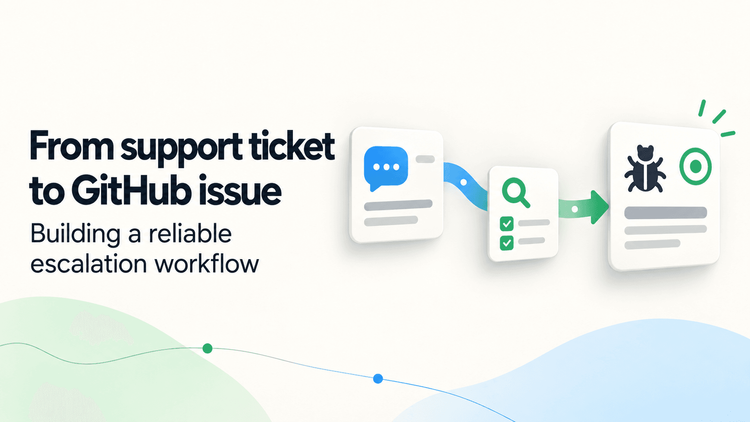
    From support ticket to GitHub issue: Building a reliable escalation workflow

    A step‑by‑step guide for turning support tickets into well‑structured GitHub issues. It defines escalation criteria, outlines a decision table for support, specifies required fields, and provides a minimal Node.js 24 adapter that validates input, builds a markdown issue body, and calls the GitHub Issues API with proper error handling and security considerations.

    SitePointsitepoint.com11 min
  3. 64

    How to Review AI-Generated Python Code Efficiently

    A practical five‑step workflow for reviewing AI‑generated Python code, covering intent clarification, automated quality checks (linters, type checkers, security scanners, tests), risk‑first manual reading, a checklist of common AI mistakes, and fix‑verify loops, plus a ready‑to‑use dev‑environment setup.

    Real Pythonrealpython.com26 min
  4. 65

    Presentation: When Incidents Refuse to End

    This presentation explains how marathon incidents expose the gap between work as imagined and work as done, revealing system interdependencies, organizational fragility, and human limits. Effective response requires structured endurance, humane rotations, and holistic cross-functional coordination, offering significant technical and organizational learning.

    InfoQinfoq.com32 mintalk
  5. 66

    RADAR: Catch gray failures with anomaly detection

    Databricks built RADAR, a four‑stage, metric‑agnostic pipeline that uses streaming anomaly detection (SPOT) to surface gray failures in minutes with >90% precision. The blog shows how to recreate the system on Databricks for any metric, from billing to model drift.

    Databricksdatabricks.com7 min
  6. 69

    We now auto-approve and merge 15% of PRs

    This article describes how a team implemented a bot to auto-approve and merge 15% of low-risk pull requests, aiming to reduce code review bottlenecks and improve development velocity. The system relies on custom deterministic linters, basic end-to-end tests, and a risk scoring mechanism to identify safe changes.

    Swizec Tellerswizec.com3 min
  7. 70

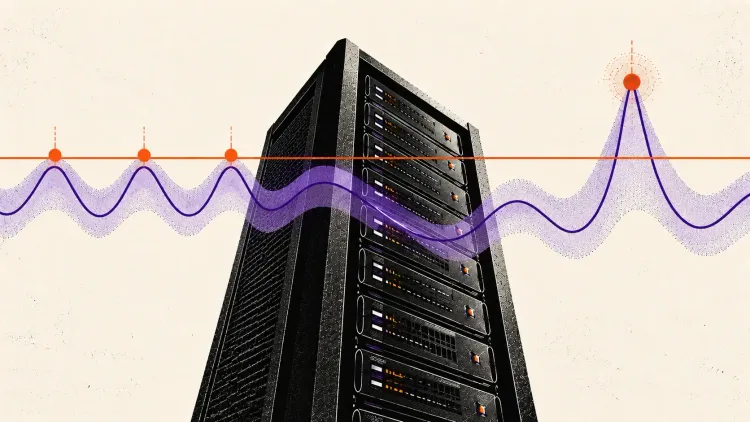
    Server Monitoring in the age of AI: What static thresholds miss and how adaptive monitoring fixes it?

    Static CPU/memory thresholds generate noise because workloads vary by time‑of‑day, day‑of‑week, and long‑term trends. Adaptive monitoring learns per‑server baselines (using simple ML on historic metrics) and creates dynamic thresholds plus anomaly alerts. ManageEngine OpManager’s Zia engine is presented as a turnkey AIOps solution that auto‑learns baselines, lets you set sensitivity, and adds ale…

    SitePointsitepoint.com6 min
  8. 71

    Pros and Cons of Unified Build

    Unified (jumbo) builds concatenate multiple C++ source files to reduce header instantiation, often halving cold compile time. However, they hurt incremental rebuilds, cache efficiency, and can change program semantics, making reproducibility and correctness harder.

    Mozilla Automation Teamgithub.io8 minHN1
  9. 72

    Java News Roundup: JDK 27, Open J Proxy, A2A Jakarta, Azul Payara, BoxLang, Netflix ja

    InfoQ’s Java roundup lists the GA release of JDK 27, early‑access build 16 of JDK 28, BellSoft’s Liberica JDK 27, Jakarta EE 12 updates, Open J Proxy 1.0 (with JDBC cache and HikariCP leak detection), A2A Jakarta 1.0, Azul Payara 7.4.0 (MicroProfile 7.1, OpenTelemetry migration), JHipster 9.4 (Playwright, esbuild), Ktor 3.6 (OIDC auto‑discovery), BoxLang 1.17 (module service, syntax checker) and…

    InfoQinfoq.com5 min
  10. 73

    pgAdmin 4 v9.18 Released

    pgAdmin 4 v9.18 adds a VS‑Code‑style Object Explorer toggle, tightens CSP defaults, and patches five CVEs (auth bypass, argument/connection‑string injection, TOCTOU file write, LLM redirect, empty username import). It also fixes numerous UI bugs, schema‑diff regressions, and updates dependencies. Windows/macOS installers, Docker, RPM/DEB, and a Python wheel are shipped.

    PostgreSQLpostgresql.org4 minrelease
  11. 74

    Audit your Agent files

    Agent configuration files (CLAUDE.md, AGENTS.md, skill packs) accumulate stale rules, inflating token usage and hurting performance. Regular audits—using Claude’s /doctor, pruning to <200 lines, and encoding hard constraints in hooks—restore lean, effective agents.

    Addy Osmaniaddyosmani.com12 min
  12. 75

    Why Codename One Is Moving Beyond Maven Central

    Codename One is moving its Maven artifacts from Sonatype’s Maven Central to a self‑hosted Cloudflare R2 bucket. Phase 1 reduces release payloads (from 229 MB to 77 MB) by dropping fat‑JARs and freezing stable deps, adds dual‑publish, and updates generated POMs to include a custom repository for both dependencies and plugins. After a three‑week observation window (ending Aug 28 2026) new releases…

    CodeName Onecodenameone.com7 min
  13. 76

    Lessons From Testing Distributed Systems

    This Jepsen blog post announces a retrospective talk on 13 years of testing distributed systems, linking to slides and a video. The post itself contains no detailed lessons or technical content.

    Jepsenjepsen.io1 min
  14. 77

    How Orange uses agents to make FinOps everyone's responsibility

    Orange created a FinOps Community of Practice and runs ‘Clean Days’—protected, gamified sessions that get engineers actively optimizing cloud spend. They then scale this culture with AI agents that surface cost data, suggest quick‑win fixes, and automate reporting, extending responsibility across thousands of engineers.

    Google Cloud Bloggoogle.com4 min
  15. 78

    Run Terminal-Bench and other Harbor evals on Vercel Sandbox

    Vercel now supports running Harbor benchmarks, like Terminal‑Bench, inside its Sandbox using Firecracker microVMs. The integration with AI Gateway lets you benchmark multiple models by swapping the `--model` flag, scaling concurrency with `--n-concurrent`.

    Vercelvercel.com1 minrelease
  16. 79

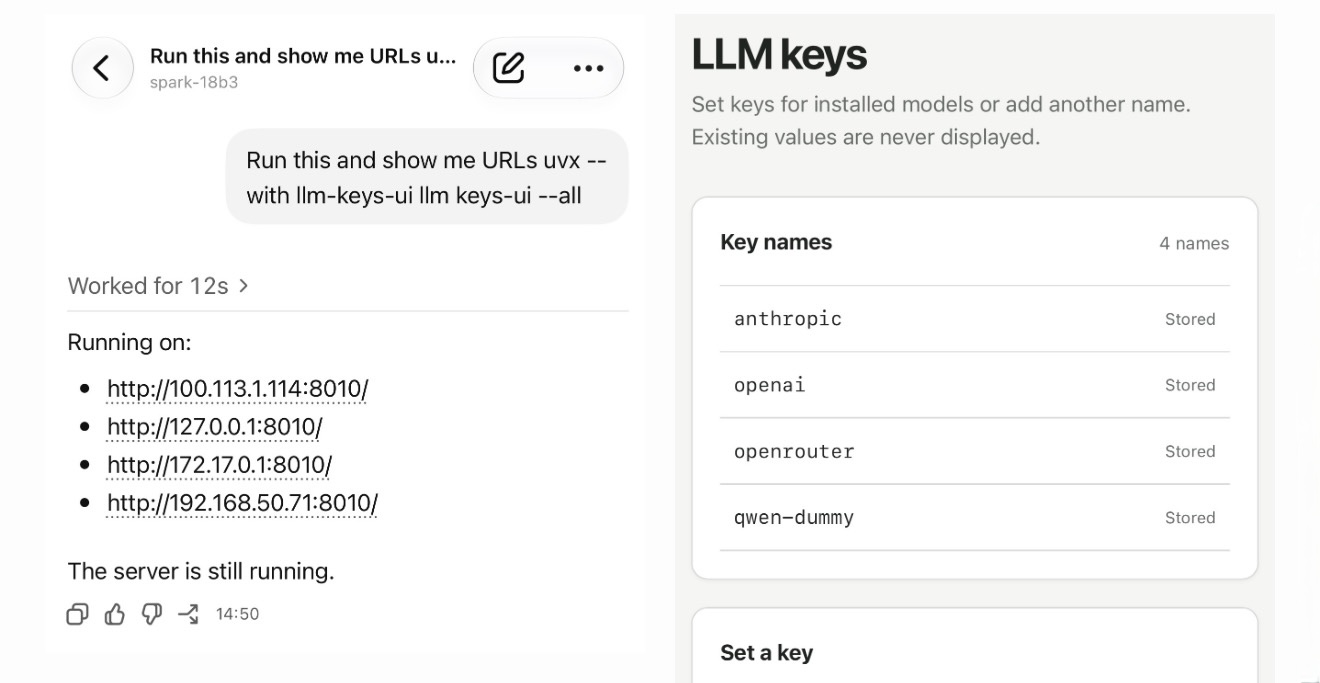
    llm-keys-ui 0.1

    Simon Willison released llm-keys-ui 0.1, a tiny web UI that lets you store LLM API keys on a remote machine and retrieve them via the llm CLI, avoiding pasting keys into chat sessions. It runs with a single uvx command and exposes local network URLs for access.

    Simon Willisonsimonwillison.net1 minrelease
  17. 80

    Vibe Production-Ready Apps with Auth0 and v0

    Auth0 announced a new integration with the AI‑powered low‑code platform v0 that lets developers generate full‑featured authentication (Auth0 tenant, apps, connections, SDK wiring, B2B orgs, MFA, etc.) directly from prompts, without leaving the v0 workflow.

    Auth0auth0.com3 min
  18. 81

    What I learned organizing KCD Lima 2026

    KCD Lima 2026 drew 2,244 registrations (900+ attendees), 60 speakers, and 11 sponsors, marking 75% growth over 2025. The organizer shares hard data and concrete takeaways: budgeting across currencies, vendor onboarding, venue layout, and the need for better coffee capacity, session timing, pre‑registration, and gender balance. The post also highlights the community profile (45% from finance, 15%…

    CNCFcncf.io7 minpostmortem
  19. 82

    Microservices vs Monolithic Architecture: What Nobody Tells You Until You've Lived Through Both

    The article walks through the hidden costs of both monoliths and microservices, showing that the choice isn’t about hype but about concrete trade‑offs like deployment coordination, observability, data consistency, and team structure. It recommends a modular monolith as a pragmatic middle ground when the organization isn’t ready for full service sprawl.

    SitePointsitepoint.com9 min
  20. 83

    Secure Compute and Static IP builds start 64% faster

    Vercel’s Secure Compute and Static IP builds now start 64% faster by using prewarmed containers, cutting the time from deployment creation to build start from 6.7 s to 2.4 s. The change is automatic and requires no user action.

    Vercelvercel.com1 minrelease
  21. 84

    How to operate shared platforms safely at agent scale

    Datadog explains how scaling AI agents turns isolated executions into shared‑platform risk and outlines a systematic approach to model agent trajectories, monitor per‑dependency constraints, and enforce workload‑specific capacity policies. The result is proactive detection of bottlenecks and protection against noisy‑neighbor failures.

    Datadogdatadoghq.com11 min
  22. 85

    AWS Elastic Beanstalk introduces Cluster Mode

    AWS Elastic Beanstalk now offers a fully‑managed Cluster Mode that runs multiple applications on a shared Amazon EKS cluster, handling containerization, scaling, patching and observability automatically. It adds AI‑driven troubleshooting, OpenTelemetry support and standard deployment strategies while charging only for the underlying AWS resources.

    AWSamazon.com5 minrelease
  23. 86

    Rails Hyperdrive: supercharged agentic development for Rails

    Rails Hyperdrive is a development‑only Rails engine that mounts a Model Context Protocol (MCP) server and lets any gem ship agent knowledge (skills, agents, commands, guidelines) as markdown files. The engine adds no knowledge itself; companion gems provide the context‑aware artifacts that agents can query at runtime, avoiding token‑heavy guessing and stale schema reads. Installation is a single…

    Evil Martiansevilmartians.com22 min
  24. 87

    Brownfield Agentic Engineering

    Addy Osmani outlines a pragmatic framework for safely introducing AI‑driven agents into legacy (brownfield) codebases. He proposes zoning code by risk, documenting non‑code knowledge, preserving research in durable memos, building a reusable “harness” of tools and rules, and starting with zero‑risk, characterization‑test‑driven work.

    Addy Osmaniaddyosmani.com13 min
  25. 88

    Workflow or agent? What building QAradar taught us

    Deezer built QAradar, a workflow‑driven Slack‑bot that lets developers discover and run the exact automated tests covering their feature. By pre‑generating a clean test catalog and keeping the LLM in a fixed four‑step workflow, they avoided the complexity and cost of a full‑blown agent while dramatically reducing knowledge silos and friction for QA and developers.

    Deezermedium.com6 min
  26. 89

    We Stopped Waiting for Platform Changes to Find Us

    Codename One added a daily automated scan of Apple and Google deprecation notices, linking each notice to concrete builder artifacts before work is created. The system caught the Android 16 back‑gesture change and enabled a permission‑free ContactPicker, turning policy shifts into repeatable, evidence‑backed patches.

    CodeName Onecodenameone.com3 min
  27. 90

    Why Releasing Software as an Application Beats Deploying Components

    This article argues that independent microservice deployments, while seemingly fast, often lead to complex and fragile releases due to environment drift and implicit dependencies. It advocates for "application-level releasing," where a consistent, validated snapshot of interdependent components is promoted together across environments to restore predictability and stability.

    Codeshipcloudbees.com5 min
devops posts and papers · proomt