proomt

Search

Search posts, papers, and topics

devops

RSS
  1. 91

    Brownfield Agentic Engineering

    Addy Osmani outlines a pragmatic framework for safely introducing AI‑driven agents into legacy (brownfield) codebases. He proposes zoning code by risk, documenting non‑code knowledge, preserving research in durable memos, building a reusable “harness” of tools and rules, and starting with zero‑risk, characterization‑test‑driven work.

    Addy Osmaniaddyosmani.com13 min
  2. 92

    Workflow or agent? What building QAradar taught us

    Deezer built QAradar, a workflow‑driven Slack‑bot that lets developers discover and run the exact automated tests covering their feature. By pre‑generating a clean test catalog and keeping the LLM in a fixed four‑step workflow, they avoided the complexity and cost of a full‑blown agent while dramatically reducing knowledge silos and friction for QA and developers.

    Deezermedium.com6 min
  3. 93

    We Stopped Waiting for Platform Changes to Find Us

    Codename One added a daily automated scan of Apple and Google deprecation notices, linking each notice to concrete builder artifacts before work is created. The system caught the Android 16 back‑gesture change and enabled a permission‑free ContactPicker, turning policy shifts into repeatable, evidence‑backed patches.

    CodeName Onecodenameone.com3 min
  4. 94

    Why Releasing Software as an Application Beats Deploying Components

    This article argues that independent microservice deployments, while seemingly fast, often lead to complex and fragile releases due to environment drift and implicit dependencies. It advocates for "application-level releasing," where a consistent, validated snapshot of interdependent components is promoted together across environments to restore predictability and stability.

    Codeshipcloudbees.com5 min
  5. 96

    Today I Learned: .gitconfig's includeIf

    Use Git's `includeIf` conditional includes to automatically load per‑directory `.gitconfig` files, letting you set different `user.email` and `signingkey` values for Apache, work, and personal repos without manual `git config` calls.

    Codeshipcloudbees.com1 min
  6. 97

    No, You're Not Behind. But the Stage 3 Governance Window Is Closing.

    A four‑stage model for adopting agentic AI in software delivery pipelines, warning that Stage 3 (bounded autonomous execution) is arriving faster than governance programs. The post explains the stages, required controls (scoped credentials, fail‑closed defaults, tamper‑evident logs), and uses the OpenClaw incident as a cautionary example.

    Codeshipcloudbees.com9 min
  7. 98

    Makefile performance: built-in rules

    GNU Make scans every built‑in implicit rule for each target, adding unnecessary overhead. Using the -r (or --no-builtin-rules) flag disables this scanning and can speed up large or no‑op builds by up to ~30%.

    Codeshipcloudbees.com4 min
  8. 99

    The Credentials API in Jenkins

    The post explains the motivation behind Jenkins' Credentials API, recounts early design mistakes (duplicated username/password types, over‑reliance on the type system), introduces the “Oracles of Identity” concept, and shows how credential domains let users declaratively bind credentials to the right services.

    Codeshipcloudbees.com12 min
  9. 100

    Blog: How to Build a DevOps Agent

    This blog walks through the open‑source DevOps Agent Kit, which lets Claude Code or Cursor act as a DevOps assistant by connecting to CloudBees Unify, Jira, and Slack via MCP servers and to GitHub via the CLI. It provides a repeatable setup (Docker, Node, env file) and seven slash commands for pipeline overview, triage, security, release readiness, flag management, CI health scoring, and Jira tic…

    Codeshipcloudbees.com10 min
  10. 101

    OpenClaw Is a Preview of Why Governance Matters More Than Ever

    Autonomous AI agents like OpenClaw are shifting software development from AI-assisted to AI-executed, capable of committing code and orchestrating deployments without human approval. This necessitates robust governance to manage increased risks in security, compliance, and accountability, as traditional DevOps assumptions no longer hold.

    Codeshipcloudbees.com6 min
  11. 102

    One style guide for everything Claude Code writes

    A detailed walkthrough of forking the nbj‑write‑clearly Claude Code skill to enforce the Google Developer Documentation style guide across all developer‑facing prose (docs, comments, commit messages, review feedback). The fork expands the trigger set, vendors the 70‑page guide offline via a Bun sync script, and adds a layered approach (global CLAUDE.md rules, on‑demand skill, per‑agent preloaded…

    Bjørn Johansenbjornjohansen.com5 min
  12. 104

    When should you replace a homegrown feature flag system?

    Homegrown feature flag implementations work for small teams but quickly lack ownership, auditability, and stakeholder access as they scale. When flag count, team size, incidents, or compliance audits make these gaps costly, switch to a purpose‑built feature management platform.

    Codeshipcloudbees.com5 min
  13. 105

    Writing the Docs: 2026 Edition

    The post revisits core documentation principles—separating what from how, grounding reference docs in source truth, and continuously improving—and examines how large language models fit into this workflow. It argues that diataxis still guides effective docs and that LLM‑generated drafts must be anchored to machine‑readable ground truth to avoid hallucination.

    Mozilla Automation Teamwrla.ch15 min
  14. 106

    The Real Cost of a Homegrown Feature Flag System

    Home‑grown feature flag systems look cheap until maintenance, governance, and scaling costs explode, especially as AI‑accelerated development creates more flags faster. Buying a managed solution offloads engineering effort, adds audit trails, and scales with multiple teams.

    Codeshipcloudbees.com6 min
  15. 109

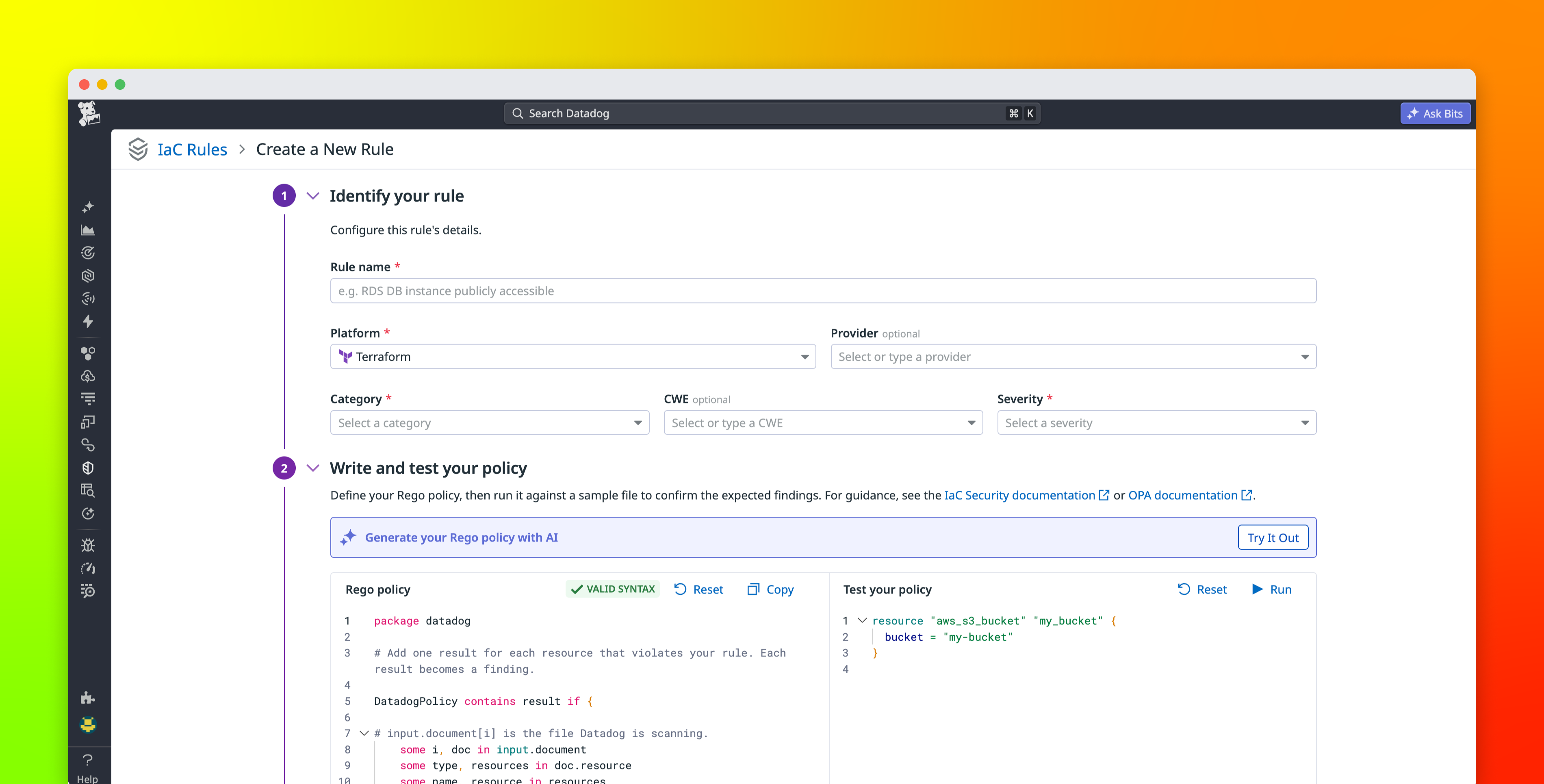
    Enforce custom rules in Datadog IaC Security scanning

    Datadog now lets you write organization‑specific IaC security checks as Rego policies that run alongside its built‑in rule set. You can author, test, version, and publish custom rules via the UI (or AI‑assisted generation), then see violations in PR comments, IDE extensions, or automation pipelines.

    Datadogdatadoghq.com5 min
  16. 111

    Laravel Vet: Review Composer Code Before It Installs

    Laravel Vet is a Composer plugin that intercepts installs/updates, shows the diff of each package, and lets you approve changes manually or via an LLM‑based coding agent. Trusted packages are recorded in a `vet.json` with a content hash, so future updates only prompt for new changes. The tool exits with an error on untrusted code, making it CI‑friendly, and works with any PHP project using Compos…

    Laravellaravel-news.com4 min
  17. 113

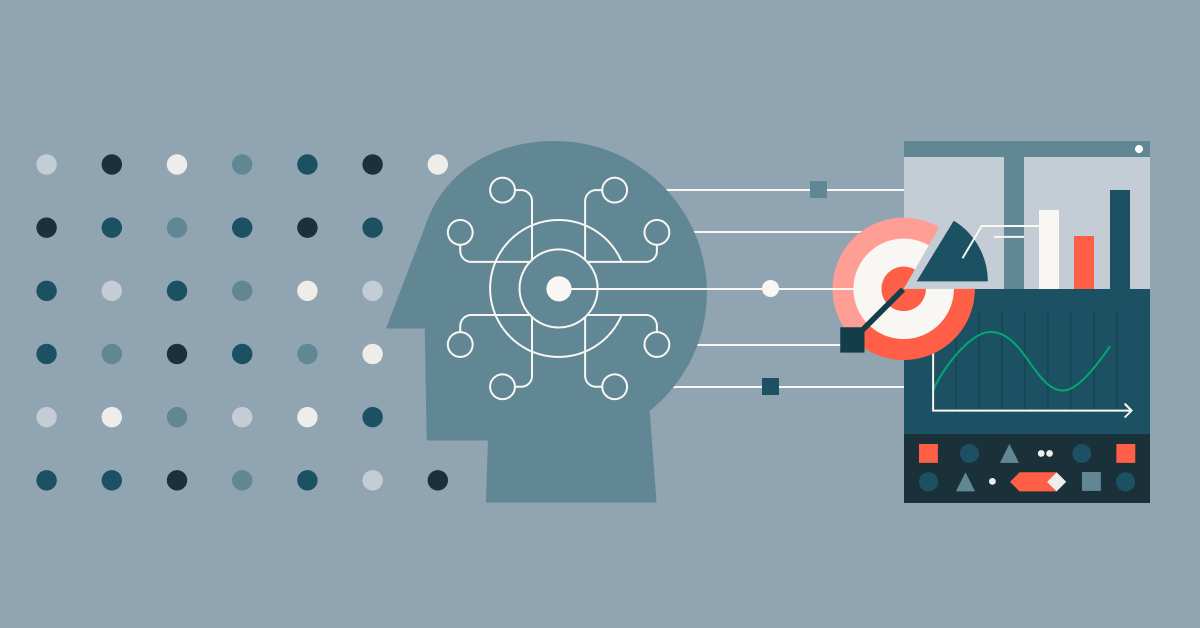
    What is AIOps?

    Databricks’ blog post explains what AIOps is, its core components (data ingestion, normalization, anomaly detection, correlation, RCA, automation, collaboration), and why it’s gaining traction now. It positions AIOps as a layer between observability and action, emphasizing human‑in‑the‑loop for high‑risk steps, and outlines domain‑centric vs. domain‑agnostic approaches and common use‑cases like R…

    Databricksdatabricks.com13 min
  18. 114

    Build Trust on a Short Software Project

    Practical, low‑level habits for earning client trust on short‑duration consulting gigs – rapid feedback loops, visible work, frequent priority checks, early risk surfacing, and leaving the client self‑sufficient.

    Atomic Objectatomicobject.com5 min
  19. 117

    The Shadow Factory: Why Your CI/CD Sprawl is About to Move Faster Than You Can Think

    The article warns that unchecked CI/CD sprawl— orphaned pipelines, hard‑coded secrets, and permissive runners— creates a hidden attack surface, and that AI‑driven agents will amplify the problem. It recommends a governance layer with real‑time inventory, policy‑as‑code, and AI guardrails to bring the software factory under the same security rigor as production.

    Codeshipcloudbees.com3 min
  20. 119

    Skipping the first build on first branch indexing

    Jenkins now supports a build‑branch strategy to skip the initial build that runs when a multibranch job first indexes its branches. Install branch‑api 2.3.0+ and basic‑branch‑build‑strategies 1.3.0+, then enable **Skip initial build on first branch indexing** in the job’s Build strategies UI. The strategy works by overriding `BranchBuildStrategy.isAutomaticBuild` in the plugin code.

    Codeshipcloudbees.com2 min
  21. 120

    The Flaky Test Confession: “We All Know We’re Ignoring Test Failures”

    Flaky tests silently erode CI reliability, waste compute and developer time, and let real bugs slip into production. The post quantifies the cost (≈2.5 % of developer time, $5.67 per manual investigation vs $0.02 for auto‑rerun) and critiques common band‑aid approaches (retries, quarantine, manual triage). It argues that visibility—detecting flaky tests, predictive test selection, and automated t…

    Codeshipcloudbees.com5 min