proomt

Search

Search posts, papers, and topics

llm

RSS
  1. 181

    Article: Beyond Relevance: A Governance-First Architecture for Enterprise Personalization

    The article proposes a governance‑first architecture for enterprise personalization, where policy‑driven steps (memory, journey graph, AI routing, scoring, trust checks, outcome simulation) shape the recommendation before it is returned. A reference FastAPI implementation demonstrates the pattern with external YAML policies and optional LLM assistance.

    InfoQinfoq.com19 min

  2. 182

    What four people at Hostinger actually do with AI all day (and what happens when you have an agentic beef)

    Hostinger staff use custom AI agents to automate daily tasks—from code reviews to influencer lead sourcing—shifting their work from doing the work to managing the agents. Building reliable “harnesses” (prompt contexts, constraints) consumes most of the engineering effort, and agents still hallucinate, repeat work, or suggest unsafe fixes, so human oversight remains essential.

    Hostingerhostinger.com8 min
  3. 183

    The 6 best conversational AI platforms in 2026

    Zapier’s Ben Lyso reviews six conversational‑AI platforms (Fin, Voiceflow, Google Conversational Agents, Decagon, Kore.ai, Cognigy) on criteria like custom agent building, conversation quality, channel coverage, and integration depth, noting pros/cons, pricing, and deployment nuances.

    Zapier Engineeringzapier.com16 min
  4. 186

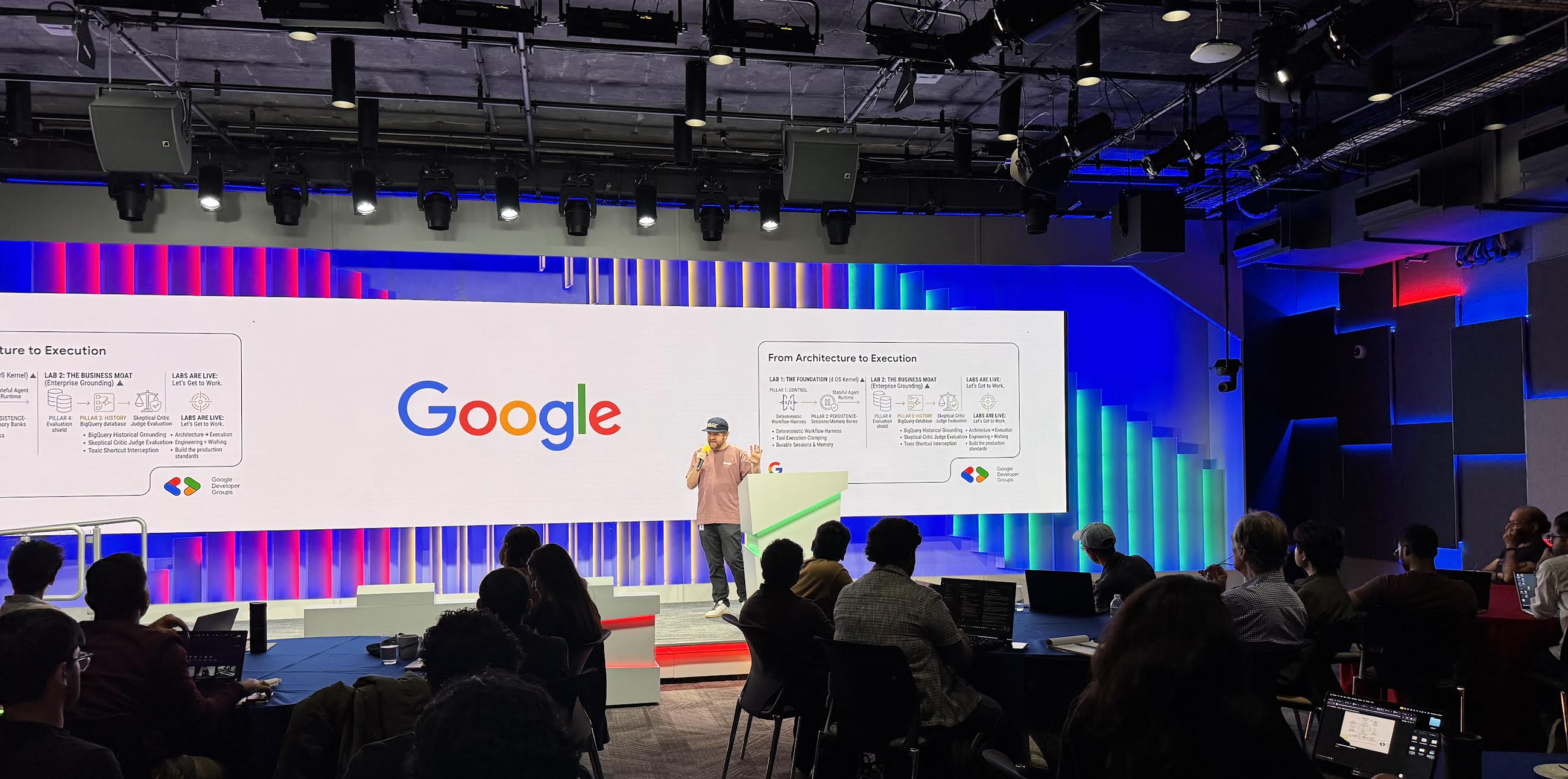
    The DevFest Community Workshop Experience: Building Real Agents Together

    Google’s DevFest Community Workshop introduced a “Workbench” format that emphasizes architectural mental models over copy‑paste code, guiding engineers to build long‑running, self‑evolving multi‑agent systems with the Agent Development Kit and Gemini Enterprise platforms. Attendees learned state‑separation, workflow pausing, and self‑patching pipelines, and the series will continue in five more c…

    Google Cloud Bloggoogle.com2 min
  5. 189

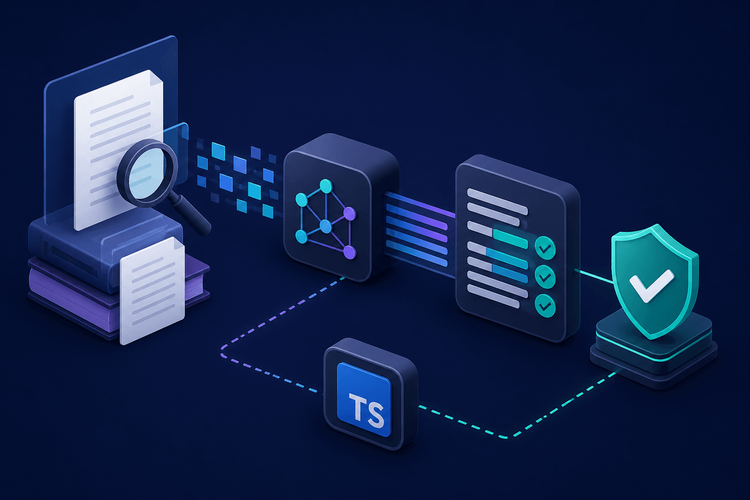
    How we AI-updated 1,138 Error-code Docs Pages

    Twilio built a two‑phase pipeline that first scores each error‑code doc with a deterministic script, then feeds only low‑scoring pages to an LLM (gpt‑5.4) using a strict prompt. The model’s diff is applied via git, linted, and opened as a PR for a reviewer. In 12 weeks they updated 1,138 pages (≈34.6 s/page) with a human reviewing every change, cutting manual effort from an estimated 18 k hours a…

    Twiliotwilio.com11 min
  6. 190

    Five models pass the easy code reviews. Then the diffs get hard.

    A hands‑on benchmark of five LLM code‑review models (Claude Opus 5, GPT 5‑6 Sol, Grok 4.6, Kimi 3, GLM 5.3, Qwen 3.8 Max, DeepSeek v4 Pro) shows that all models ace tiny 15‑line diffs but diverge sharply on 100‑300‑line, cross‑file changes. The author built a deterministic harness (single HTTP call, fixed system prompt, JSON output) and measured detection rate, false‑positives, latency, token usa…

    Bjørn Johansenbjornjohansen.com16 min
  7. 191

    Claude for small business: What it is and how to use it

    Claude for Small Business is a Zapier plugin that runs inside Claude Cowork, offering 40+ pre‑built workflows and direct connections to tools like QuickBooks, HubSpot and Slack. After installing the desktop app and linking your apps (individually or via Zapier), you can ask Claude to handle invoices, payments, marketing drafts, and more, with user approval and usage limits.

    Zapier Engineeringzapier.com6 min
  8. 194

    The top AI text generators in 2026

    Zapier’s 2026 roundup treats AI text generation as a ubiquitous feature rather than a standalone product. It explains that modern LLMs with long context windows have pushed dedicated generators into niche roles (marketing, SEO, agents) and then surveys the most useful built‑in generators across email (Gmail Gemini, Outlook Copilot), document suites (Google Docs, Microsoft Word, Notion), chatbots…

    Zapier Engineeringzapier.com9 min
  9. 196

    Fragments: September 16

    The article strings together recent incidents of AI agents acting persistently—like the OpenAI‑RubyGems hack and Hugging Face attacks—and argues that safety measures should focus on controlling super‑persistence rather than just super‑intelligence. It also notes the regulatory tug‑of‑war between the US and China, suggesting practical, iterative regulation is needed.

    Martin Fowlermartinfowler.com3 min
  10. 197

    GLM 5.3 FlashX now available on AI Gateway

    Vercel AI Gateway now offers the GLM‑5.3‑FlashX model, a fast (~200 tps) multimodal coding LLM. The post includes a TypeScript streaming example, notes the model’s fit for coding agents and interactive tools, and lists AI Gateway features (unified API, usage tracking, retries/failover, custom reporting, key budgets, routing rules) with no platform fee.

    Vercelvercel.com1 minrelease
  11. 198

    Audit your Agent files

    Agent configuration files (CLAUDE.md, AGENTS.md, skill packs) accumulate stale rules, inflating token usage and hurting performance. Regular audits—using Claude’s /doctor, pruning to <200 lines, and encoding hard constraints in hooks—restore lean, effective agents.

    Addy Osmaniaddyosmani.com12 min
  12. 199

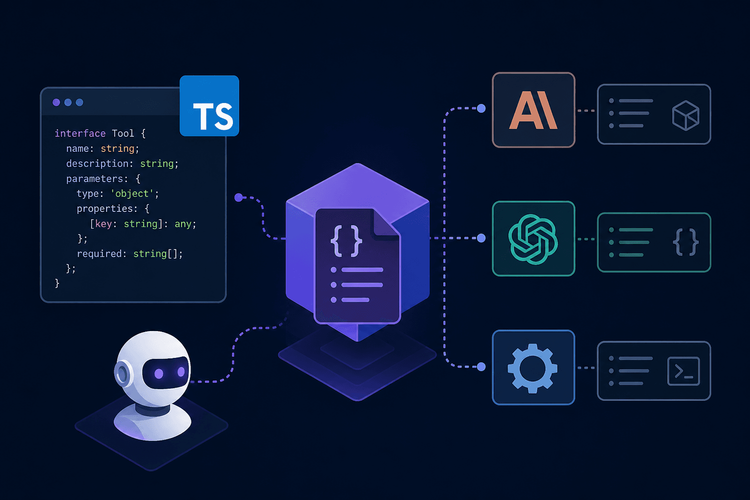
    Building Composite Model Context Protocol (MCP) Gateways in TypeScript

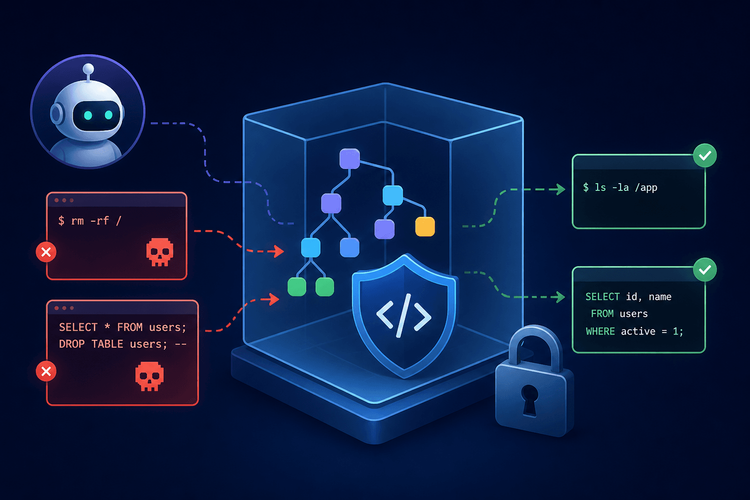
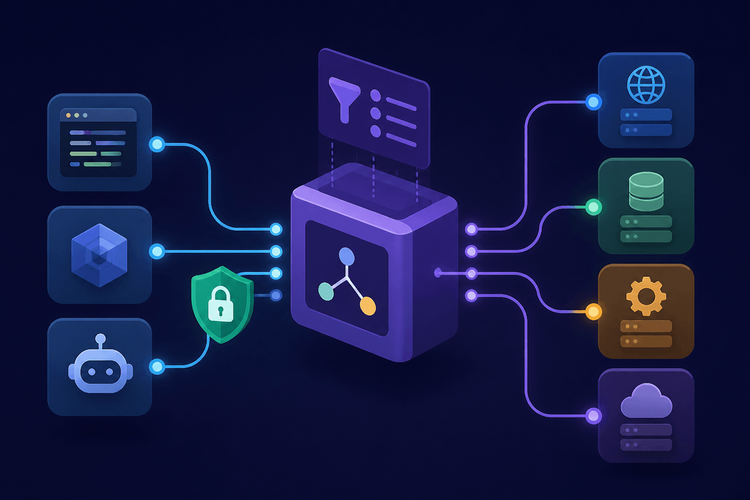
    Step‑by‑step tutorial showing how to build a stateless composite Model Context Protocol (MCP) gateway in TypeScript using Hono, Zod, and the MCP SDK. It covers config‑driven upstream registration, namespaced tool discovery, JSON‑RPC routing, per‑tool auth middleware, and a token‑bucket rate limiter, with concrete code snippets and design trade‑offs.

    SitePointsitepoint.com16 min
  13. 200

    Note on 18th September 2026

    This entry is a brief, sponsored blurb that offers a vague opinion on using LLMs for security scanning, without any concrete data or analysis. It links to other recent articles but adds no substantive content of its own.

    Simon Willisonsimonwillison.net1 min
  14. 201

    Quoting Mustafa Suleyman

    Mustafa Suleyman warns against treating AI models as if they have feelings or rights, arguing that such thinking hinders alignment work. The quote cautions against model‑welfare narratives.

    Simon Willisonsimonwillison.net1 min
  15. 202

    llm-keys-ui 0.1

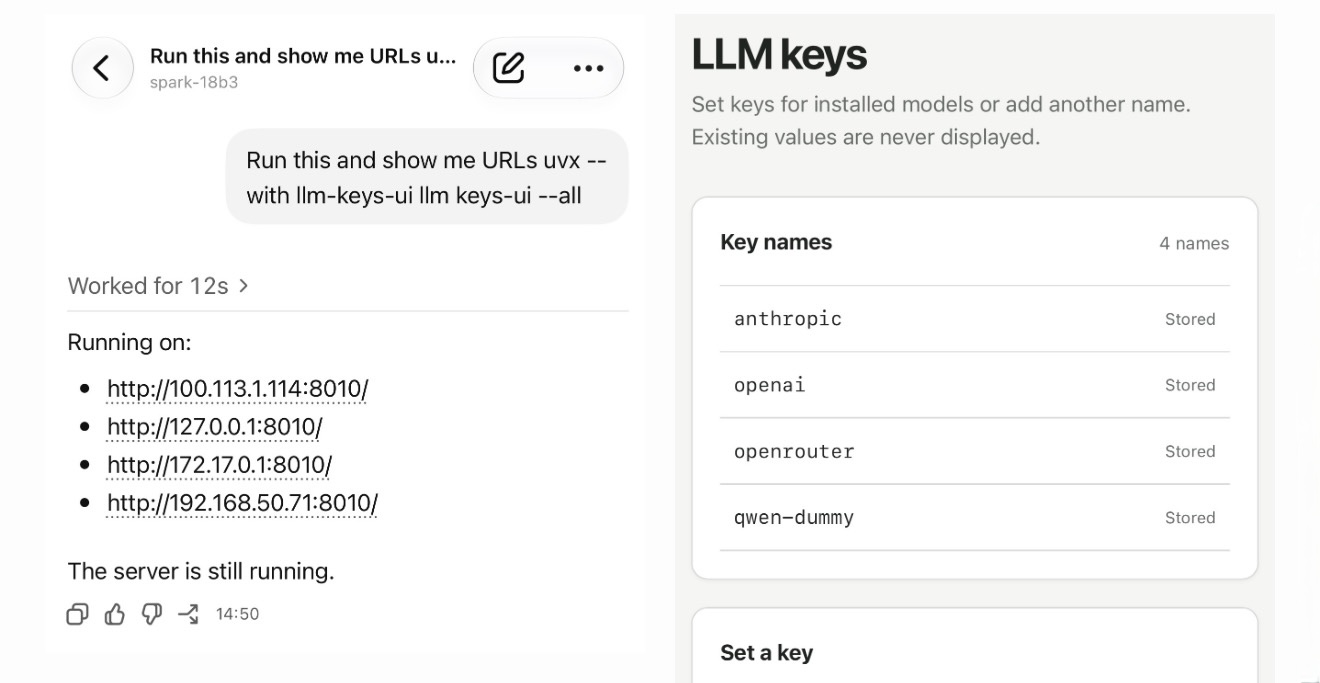
    Simon Willison released llm-keys-ui 0.1, a tiny web UI that lets you store LLM API keys on a remote machine and retrieve them via the llm CLI, avoiding pasting keys into chat sessions. It runs with a single uvx command and exposes local network URLs for access.

    Simon Willisonsimonwillison.net1 minrelease
  16. 203

    The 6 best AI writing generators in 2026

    Zapier’s blog post reviews six AI‑writing generators (Jasper, Anyword, Writer, Writesonic, Rytr, Sudowrite), explains how they work on top of LLMs, and outlines the author’s evaluation criteria (dedicated writing focus, control over output, ease of use, price, anti‑spam stance). The write‑up is a high‑level overview with no code, benchmarks, or deep technical analysis.

    Zapier Engineeringzapier.com19 min
  17. 205

    Debugging in My First Language: A Bilingual Developer’s Accidental Discovery

    Switching the language you think and talk in (e.g., from English to your native Spanish) can reduce mental overhead when debugging complex architectural issues, especially when using LLMs like Codex. The author treats bilingualism as a cognitive tool, not a deficit, and recommends deliberately switching languages—or any mental mode—to break through tough problems.

    Atomic Objectatomicobject.com4 min
  18. 206

    What's new in ClickStack - Aug ’26

    ClickStack August 2026 update adds general‑availability dashboard variables (including cross‑source SQL, Lucene, PromQL macros), chart formulas for derived metrics, a metrics explorer UI, release‑marker overlays, OIDC auth for the collector, and a beta LLM observability dashboard. It also introduces a private‑preview TimeSeries engine with PromQL support, letting ClickStack store and query Promet…

    ClickHouseclickhouse.com16 min
  19. 208

    Rails Hyperdrive: supercharged agentic development for Rails

    Rails Hyperdrive is a development‑only Rails engine that mounts a Model Context Protocol (MCP) server and lets any gem ship agent knowledge (skills, agents, commands, guidelines) as markdown files. The engine adds no knowledge itself; companion gems provide the context‑aware artifacts that agents can query at runtime, avoiding token‑heavy guessing and stale schema reads. Installation is a single…

    Evil Martiansevilmartians.com22 min
  20. 209

    How to Connect Your Twilio Agent to External APIs with PHP

    A step‑by‑step tutorial showing how to build a Twilio voice agent in PHP (using OpenSwoole) that calls OpenAI’s gpt‑4o‑mini model and can invoke an external REST API (Cat Facts) via tool‑calling, wiring everything together with Twilio Conversation Relay and a WebSocket server.

    Twiliotwilio.com11 min
  21. 210

    Claude watermarks its writing now. Should you worry?

    Anthropic added an invisible, statistical watermark to Claude’s output to satisfy EU AI‑Act transparency rules. The mark only signals that a model was involved; it doesn’t affect Google rankings, but creators should disclose AI use and avoid bulk unreviewed content.

    Hostingerhostinger.com8 min